
Podcast
Russ Roberts's book list: the books mentioned on EconTalk
Recently mentioned books
-
The ones who walk away from Omelas
-
Artificial Intelligence: a Modern Approach
-
The Innovator's Dilemma
-
Steve Jobs
-
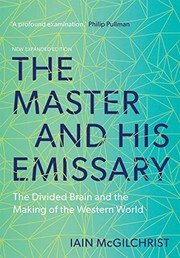
The master and his emissary
-
Portnoy's Complaint
-
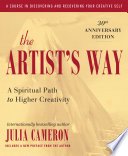
The Artist's Way
-
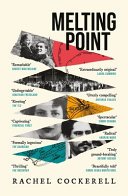
Melting Point: Family, Memory and the Search for a Promised Land: A Groundbreaking Family History for Fans of Edmund de Waal and Philippe Sands
-
The Jewish State
-
The World of Yesterday
-
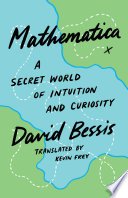
Mathematica
-
The Blank Slate
-
The Mattering Instinct
-
The Ethics
-
The Theory of Moral Sentiments
-
Arcadia
-
Wild Problems
-
Three Uses of the Knife
-
Chaos
-
The Intelligence of Intuition
Most recommended on EconTalk
-
Mathematica
Mathematica by David Bessis was featured on EconTalk, where host Russ Roberts frequently praised the work. Roberts recommended the book to listeners, noting that it contains no formal math and instead focuses on how human minds work and champion intuition over traditional formal logic.
Discussed“He was last here in October of 2025 discussing his marvelous book Mathematica.”
Where to get it
-
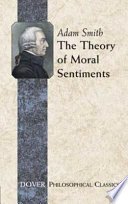
The Theory of Moral Sentiments
On EconTalk, host Russ Roberts frequently referenced Adam Smith's The Theory of Moral Sentiments. Roberts brought up the work during various episodes to analyze concepts such as the human desire to be loved and lovely, the dignity of indigenous peoples, and historical views on materialism and consumer gadgets. He used Smith's early writings to unpack deep economic and philosophical ideas with his guests.
Discussed“And Smith in the theory of moral sentiments when he wrote that meant us by loved, he didn't mean just romantic love.”
Where to get it
-
For Whom the Bell Tolls
On EconTalk, host Russ Roberts discussed Ernest Hemingway's novel For Whom the Bell Tolls across multiple episodes in August 2025. Roberts announced an upcoming EconTalk book club episode dedicated to the novel, shared his experience rereading it fifty years after the first time, and hosted guest David Wyatt to discuss the historical context of the Spanish Civil War, the Abraham Lincoln brigade, and the protagonist Robert Jordan.
Discussed“Our topic for today is Hemingway's novel, For Whom the Bell Tolls.”
Where to get it
-
Primal Intelligence
On EconTalk, Russ Roberts mentioned Angus Fletcher's book while comparing different defenses of intuition. Roberts also discussed specific aspects of the book he appreciated, noting the lack of pretense regarding neuroscience and praising its reliance on a wide range of experiences and real-world applications. Furthermore, Roberts referenced the historical vignettes and narratives featuring various prominent figures contained within the book.
Discussed“Then I interviewed Angus Fletcher recently his book primal intelligence is very much a defensive intuition slightly different interpretation than yours but but in the ballpark.”
Where to get it
-
The Wealth of Nations
On EconTalk, host Russ Roberts and guest Mike Munger discussed The Wealth of Nations by Adam Smith. Roberts analyzed statistical word choices and the concept of the impartial spectator, while Munger illustrated the division of labor using Smith's classic pin factory example and explored chapters dedicated to how the division of labor is limited by the extent of the market.
Discussed“Variations on the noun choice or verb choose occur 48 times in the wealth of nations usually referring to individual choice. Smith mentions consent 24 times.”
Where to get it
-
The World of Yesterday
Stefan Zweig's memoir, The World of Yesterday, was recommended by guests on EconTalk across different episodes. On July 21, 2025, James Marriott praised the publication as a truly wonderful book. Later, on January 26, 2026, Russ Roberts also strongly recommended the memoir during a conversation with Rachel Cockerell, describing it as an extraordinary account of life in Vienna and Europe between the world wars and the subsequent rise of the Nazis.
Recommended“His memoir, which I really recommend, which I think your quote is from, it's called The World of Yesterday. It's an extraordinary memoir of life in in in Vienna and in Europe between the wars and then the rise of the Nazis.”
Where to get it
-
1984
On EconTalk, guest Doug Lemov discussed George Orwell's 1984 during the episode titled Read Like a Champion. Lemov shared that he had recently reread the novel for the first time since his student days, calling it brilliant and incredible while arguing that every student ought to read it. He further referenced 1984 as an example of essential cultural capital preserved within books that allows people to connect and share societal knowledge.
Discussed“Almost everything that's in most important to society has been written and captured in books. And if I know those books and I have access to them, then I can connect to people about, you know, I can, if you refer to Shakespeare or to 1984, if I don't know anything about George Orwell in 1984, I can't even have”
Where to get it
-
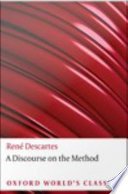
A Discourse on the Method
David Bessis appeared on EconTalk in October 2025 to discuss "A Discourse on the Method" by René Descartes. Bessis brought up the seventeenth-century work to explain how ordinary people can discover mathematical methods, noting that Descartes himself wrote about possessing a method that allowed a regular person to become smart.
Discussed“When you read Decart, Decart in the 17th century is saying, "Hey, you know, I have this crazy method that made me so smart. I was a regular person." That's really, if you read the scores on method, it really starts like that.”
Where to get it
-
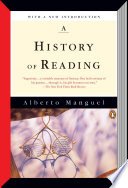
A History of Reading
On the EconTalk podcast episode James Marriott on Reading, released on July 21, 2025, James Marriott talked about Alberto Manguel's book A History of Reading. He shared how picking up the book from a shelf in a Cambridge bookshop ultimately changed the trajectory of his life.
Discussed“And I picked up us a book uh from a shelf called A History of Reading by Alberto Manuel, which is just a lovely book about the history of reading.”
Where to get it
-
A Movable Feast
On the August 25, 2025 episode of EconTalk titled Hemingway, Love, and War, guest David Wyatt discussed Ernest Hemingway and his literary works. Wyatt specifically talked about A Movable Feast, describing it as the author's most beloved and posthumous memoir, which was put together by his fourth wife Mary and published in 1964. Wyatt also touched upon other works by Hemingway, placing this memoir in the context of the author's broader career.
Discussed“If you take a movable feast which is published in 1964 Mary puts it together his fourth wife it's probably the most beloved book he ever wrote his memoir love this is aostumous book then in 1970 we get islands in the stream which is a much underrated again war novel set in Cuba then we get in 1986 the”
Where to get it
-
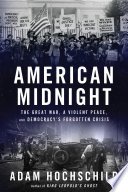
American Midnight
On the June 9, 2025 episode of EconTalk titled Two Cheers for Libertarianism and Econ 101, guest Noah Smith brought up Adam Hochschild's book American Midnight. Smith discussed the book to illustrate how the United States had been steadily sliding toward authoritarianism since the end of the Civil War, a trajectory that accelerated dramatically during and after World War I.
Discussed“And there's a really interesting book called American Midnight about how America had been going in a more authoritarian direction since the end of the Civil War and then in the 1920s after World War I that dramatic or sorry during World War I it dramatically accelerated.”
Where to get it
-
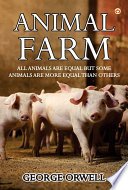
Animal Farm
On EconTalk, guest Doug Lemov discussed George Orwell's classic novel Animal Farm during the episode Read Like a Champion (with Doug Lemov). Lemov shared a personal parenting anecdote about assigning the book to his son without providing the necessary historical background knowledge or explaining that it serves as an allegory for the Russian Revolution, allowing the young reader to experience the text directly.
Discussed“I gave him Animal Farm to read and I didn't give him a lot of background knowledge and I didn't tell him anything about the Russian Revolution and about how this is this is, you know, an allegory for the so he, you know, read the book diligently.”
Where to get it
-
Anointed
On an episode of EconTalk featuring guest Toby Stuart, host Russ Roberts discussed Stuart's book Anointed. Roberts reflected on the concepts presented in the book, noting how social status and invisible hierarchies operate and influence individuals in ways they often do not realize.
Discussed“See, but the idea of anointed, excuse me, but the idea of anointed is uh there's a lot of that laying around influencing me in ways that I probably don't realize.”
Where to get it
-
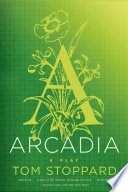
Arcadia
On EconTalk, host Russ Roberts brought up Tom Stoppard's play Arcadia to pay homage to the recently deceased playwright, declaring it his favorite modern play. Guest Anna Gat also praised the work, echoing Roberts's sentiment by calling it one of her favorite modern plays and sharing her vivid memory of reading it for the first time.
Discussed“Uh but along the way, we're going to pay homage to Tom Stppard who died last month and his play Arcadia. Arcadia is my favorite modern play, maybe my favorite play, period.”
Where to get it
-
Artificial Intelligence: a Modern Approach
On EconTalk episode titled The Man Who Built NVIDIA (with Stephen Witt) released on April 13, 2026, Russ Roberts discussed Artificial Intelligence: a Modern Approach by Stuart Russell and Peter Norvig. Roberts noted that he kept the 2011 edition of the textbook on his shelf, pointing out its massive page count and the surprisingly minimal space dedicated to neural networks to illustrate how marginalized the technology was at that time.
Discussed“I have the 2011 artificial intelligence textbook by Russell and Norvig on my shelf. It's about 1,100 pages long. Of those 1,100 pages, about 16 total are devoted to neural nets.”
Where to get it
-
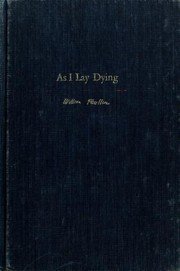
As I Lay Dying
During an episode of EconTalk titled Read Like a Champion (with Doug Lemov) on July 28, 2025, host Russ Roberts discussed William Faulkner's novel As I Lay Dying. Roberts recalled reading the book in a college course and recommended it as an accessible and rewarding entry point into Faulkner's broader body of work.
Recommended“so, but I took the course and uh, one of the I think the first Faulner we read was As I Lay Dying and As I Lay Dying is a book I recommend. I uh spoiler I love Faulner became one of my favorite writers and it wasn't so enamored of Conrad by the end of the course... and when”
Where to get it
-
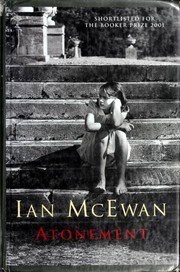
Atonement
On EconTalk, guest Doug Lemov discussed Ian McEwan's Atonement, noting that he struggled through the first sixty pages before appreciating the complex work. Host Russ Roberts referenced the novel to argue that alternative mediums, such as comic adaptations, cannot replace the transformative experience of reading a complete book.
Discussed“I just finished reading uh Ian Mchuan's book Atonement. The first 60 pages of it like I didn't really someone recommended to me. I didn't really like it.”
Where to get it
-
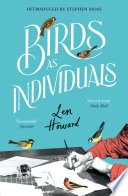
Birds as Individuals
During the September 1, 2025 episode of EconTalk titled Humans Are Overrated (with Christine Webb), guest Christine Webb brought up her mention of Len Howard's book Birds as Individuals. Webb highlighted the amazing photographs in the book to illustrate the trusting relationships and cognitive capacities of birds.
Discussed“I mean there's amazing photographs she has this book called birds as individuals. They're amazing photographs that really show how trusting this relationship.”
Where to get it
-
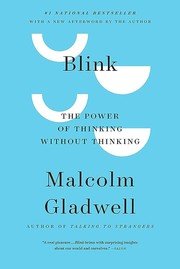
Blink
During an appearance on EconTalk, Gerd Gigerenzer mentioned Malcolm Gladwell's book Blink, stating that Gladwell wrote about and popularized Gigerenzer's own ideas regarding intuition.
Discussed“Gladwell. Yeah, sorry. Uh wrote a book of my ideas and blink and uh popularized it.”
Where to get it
-
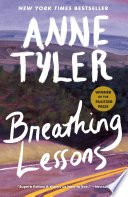
Breathing Lessons
During the July 21, 2025 episode of EconTalk titled James Marriott on Reading, guest James Marriott recommended Breathing Lessons by Anne Tyler. Marriott highlighted the publication as a beautiful little novel and included it as part of his recommended reading list for vacations.
Recommended“Beautiful little novel called Breathing Lessons by Anne Tyler. Highly recommend.”
Where to get it
-
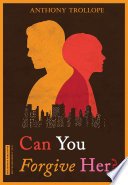
CAN YOU FORGIVE HER?
During an EconTalk episode titled James Marriott on Reading, published on July 21, 2025, host Russ Roberts recommended the book Can You Forgive Her? by Anthony Trollope, putting in a brief plug for listeners who had never read the author.
Recommended“Uh, I just would put in a plug for Can You Forgive Her if you've never read Trollup.”
Where to get it
-
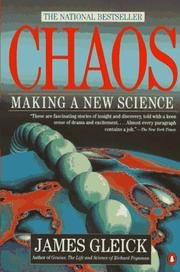
Chaos
On the January 5, 2026 episode of EconTalk, guest Anna Gat discussed James Gleick's 1988 book Chaos. The guest noted that the text successfully explained chaos theory to a general audience and went on to inspire subsequent works of literature.
Discussed“So James Gleak in 1988 publishes chaos um his book explaining chaos theory to a a general audience.”
Where to get it
-
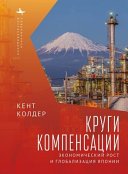
Circles of Compensation
During the October 13, 2025 episode of EconTalk, guest Joe McReynolds recommended Kent Calder's book Circles of Compensation. McReynolds explained that the book, written by the former New York Times Tokyo bureau chief, effectively lays out how Japanese industry and government intertwine.
Discussed“Kent Calder, the uh former uh New York Times Tokyo bureau chief uh did a book on uh Japanese economy and political economy called circles of compensation that uh really laid out uh the ways that industry intertwines with government in Japan.”
Where to get it
-
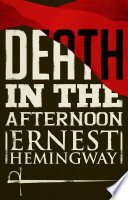
Death in the Afternoon
During the August 25, 2025 episode of EconTalk, David Wyatt mentioned Ernest Hemingway's Death in the Afternoon while discussing the author's stylistic evolution toward a more meditative and reflective tone.
Discussed“And by the mid30s with the two non-fictional books, Green Hills of Africa and Death in the Afternoon, he's already shifting away from that clipped style of omission and of short sentences to a much more meditative, reflective, recursive style, which finally culminates in this book.”
Where to get it
-
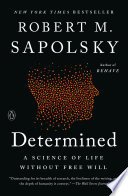
Determined
Russ Roberts mentioned Robert Sapolsky's book Determined on EconTalk to frame previous discussions on the free will versus determinism debate and to discuss why Sapolsky rejects quantum indeterminacy.
Discussed“Uh, related episodes on the other side of the free will determinism debate include uh, my discussion with uh, Robert Sapolski on his book determined and the recent episode with Gerv Sururi on his book with Jay Mlen, the emergent mind.”
Where to get it
-
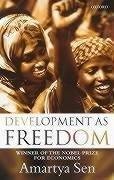
Development as Freedom
On a December 2025 episode of EconTalk, William Easterly referenced Amartya Sen's book Development as Freedom while discussing how various thinkers historically advocated for freedom as an end in itself.
Discussed“Amaren coming along writing a book development is freedom.”
Where to get it
-
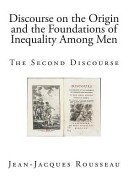
Discourse on the Origin and the Foundations of Inequality Among Men
During the June 16, 2025 episode of EconTalk titled Leon Kass on the Wisdom of Rousseau, host Russ Roberts introduced Jean-Jacques Rousseau's text Discourse on the Origin and the Foundations of Inequality Among Men, also known as the second discourse. Roberts explained that guest Leon Kass would provide a brief summary of Rousseau's life and career before leading a close reading of selected paragraphs from the work.
Discussed“So, what we're going to do today, uh, Leon's going to give a brief summary of Rouso's life and career, and we're going to do a close reading of a few paragraphs from his discourse on the origins and foundations of inequality among men, which is also known as the second discourse.”
Where to get it
-
Discourse on the Origin of Inequality
On the June 16, 2025 episode of EconTalk titled 'Leon Kass on the Wisdom of Rousseau', host Russ Roberts introduced Jean-Jacques Rousseau's 'Discourse on the Origin of Inequality'. Roberts explained that guest Leon Kass would summarize Rousseau's life and lead a close reading of selected passages from the second discourse.
Discussed“So, what we're going to do today, uh, Leon's going to give a brief summary of Rouso's life and career, and we're going to do a close reading of a few paragraphs from his discourse on the origins and foundations of inequality among men, which is also known as the second discourse.”
Where to get it
-
Emile
On the June 16, 2025 episode of EconTalk, guest Leon Kass discussed the educational writings of Jean-Jacques Rousseau, specifically focusing on the book Emile. Kass explained that Rousseau concentrated on methods to cure people of an improper sense of amour-propre, arguing that this specific treatment of the subject stands as one of Rousseau's greatest contributions to psychology and social psychology.
Discussed“Look, his he he's concentrates on this in his educational writing in a meal on how to cure people from an improper sense of amo and and it is his treatment of this subject is perhaps one of his greatest contributions to to psychology and to social psychology.”
Where to get it
-
European Self-representations at the New York World's Fair of 1939
On the June 16, 2025 episode of EconTalk titled Leon Kass on the Wisdom of Rousseau, host Russ Roberts mentioned a novel about the 1939 World's Fair by David Galler while discussing technological progress and domestic drudgery. Although the transcript notes a brief mention of David E. Nye's scholarly work on European self-representations at the fair, Roberts specifically recommended Galler's novel for its fascinating narrative regarding the historic exhibition.
Recommended“But this is a fascinating thing that 1939, by the way, David Galler wrote a wonderful novel on the 1939 World's Fair, which I really enjoyed, which I recommend.”
Where to get it
-
Evil
On the November 10, 2025, episode of EconTalk titled Shampoo, Property Rights, and Civilization (with Anthony Gill), host Russ Roberts mentioned the book Evil by Roy F. Baumeister and Aaron Beck. Roberts referenced the full title, Evil Inside Human Violence and Cruelty, using it to illustrate the dark aspects of human behavior before contrasting it with people's inherent desire to justify themselves.
Discussed“The book by Roy Balmeister called Evil. It says it's called Evil Inside Human Violence and Cruelty.”
Where to get it
-
Food Intelligence
Julia Belluz appeared on an episode of EconTalk on September 29, 2025, to discuss her book Food Intelligence, co-authored with Kevin Hall, PhD. Host Russ Roberts praised the book for capturing the wonder of the human body and noted minor childhood details missing from her narrative. During the conversation, Belluz cited a researcher named Charlie Brener whom they interviewed for the book, using his insights to explain the central role of metabolism in human biology.
Discussed“So metabolism that there's a researcher that we interviewed for the book Charlie Brener and he says meta something like metabolism is is behind everything we are and everything we do.”
Where to get it
-
Free Agents
Russ Roberts discussed Kevin J. Mitchell's book Free Agents on EconTalk, praising it as a thorough and fair response to long-standing philosophical questions about free will and determinism. Roberts used the book to transition into the concept of agency and expressed appreciation for how well the author presented the determinist case over its 300 pages.
Discussed“And you know it comes down one way to capture that you talk about in the book is the question of agency.”
Where to get it
-
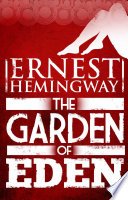
Garden of Eden
On the August 25, 2025 episode of EconTalk titled Hemingway, Love, and War, guest David Wyatt discussed Ernest Hemingway's posthumous novel The Garden of Eden. Wyatt contextualized the book within Hemingway's literary career, mentioning it alongside his memoir A Moveable Feast, which was assembled by his fourth wife Mary in 1964, and his 1970 war novel Islands in the Stream set in Cuba.
Discussed“If you take a movable feast which is published in 1964 Mary puts it together his fourth wife it's probably the most beloved book he ever wrote his memoir love this is aostumous book then in 1970 we get islands in the stream which is a much underrated again war novel set in Cuba then we get in 1986 the”
Where to get it
-
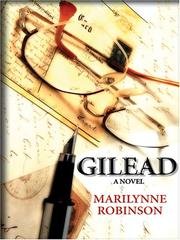
Gilead
On the July 21, 2025 episode of EconTalk titled "James Marriott on Reading," host Russ Roberts discussed Gilead by Marilynne Robinson. Roberts expressed his affection for the work, noting that he loves the book while clarifying that it is not suitable vacation reading.
Discussed“Just to take an example, uh I love Gilead by uh Marian Robinson. It's not vacation reading.”
Where to get it
-
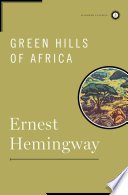
Green Hills of Africa
On EconTalk in an episode titled Hemingway, Love, and War on August 25, 2025, David Wyatt discussed Ernest Hemingway's book Green Hills of Africa. Wyatt talked about how the work, along with Death in the Afternoon, marked a shift in Hemingway's writing style toward a more meditative and recursive approach.
Discussed“And by the mid30s with the two non-fictional books, Green Hills of Africa and Death in the Afternoon, he's already shifting away from that clipped style of omission and of short sentences to a much more meditative, reflective, recursive style, which finally culminates in this book.”
Where to get it
-
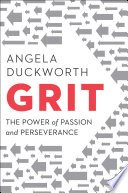
Grit
Stephen Dubner mentioned Angela Duckworth's book Grit on EconTalk on October 20, 2025. He cited the psychologist and her book while discussing human motivations and lessons he learned from doing a podcast with her.
Discussed“The other big thing I learned, this was something big I learned from a psychologist from Angela Duckworth who wrote the book Grit and I did a podcast with Angela for a few years.”
Where to get it
-
How to Change Your Mind
On EconTalk, Tim Ferriss discussed Michael Pollan's book How_to_Change_Your_Mind in the context of psychedelic-assisted therapies and his earlier conversation with the author.
Recommended“...maybe my first conversation with Michael Pollen, the author. Sure. Around his book, How to Change Your Mind.”
Where to get it
-
In Our Time
David Wyatt discussed Ernest Hemingway's collection In Our Time on an episode of EconTalk on August 25, 2025. Wyatt referenced the final story in the collection, Big Two-Hearted River, while exploring Hemingway's early stories and his concept of mental conversation.
Discussed“Hemingway calls this he calls thinking mental conversation and he uses that phrase at the end of picked your heart a river which is the last story in our time in a passage which he eventually cut a passage at the end of the last story in which Nick is walking back from fishing and he begins to think and”
Where to get it
-
Islands in the Stream
During the August 25, 2025 episode of EconTalk titled Hemingway, Love, and War, guest David Wyatt discussed Ernest Hemingway's novel Islands in the Stream. While providing an overview of Hemingway's posthumous publications, Wyatt described Islands in the Stream as a much-underrated war novel set in Cuba, placing it within the chronology of other works edited and released after the author's death.
Discussed“If you take a movable feast which is published in 1964 Mary puts it together his fourth wife it's probably the most beloved book he ever wrote his memoir love this is aostumous book then in 1970 we get islands in the stream which is a much underrated again war novel set in Cuba then we get in 1986 the”
Where to get it
-
Law, Legislation and Liberty, Volume 3
On EconTalk, in an episode titled Shampoo, Property Rights, and Civilization released on November 10, 2025, Anthony Gill discussed Law, Legislation and Liberty, Volume 3 by F. A. Hayek. Gill brought up the book to discuss the evolution of social norms and rules.
Discussed“And Hayek has written some really great stuff on this in law, legislation, liberty about the evolution of norms.”
Where to get it
-
Leviathan
On EconTalk in the episode The Invisible Hierarchies that Rule Our World, Toby Stuart referenced Leviathan by Thomas Hobbes. Stuart brought up the classic text during a conversation about social structures, highlighting Hobbes's views on humanity in a state of nature without some form of social organization.
Discussed“So um one is you know and let's go all the way back to you know Leviathan which we both probably read in in in graduate school but but but no one likes man in in in the state of n in his state of nature without so some sort of social organization”
Where to get it
-
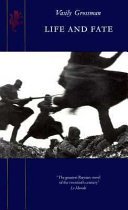
Life and Fate
On the September 22, 2025 episode of EconTalk titled Steven Pinker on Common Knowledge, host Russ Roberts mentioned Vasily Grossman's novel Life and Fate. Roberts brought up the book while discussing previous book club selections he had hosted on the podcast and exploring what it was like to live under a totalitarian regime.
Book club“You know, we we did a a book club here at Econ Talk on Life and Fate silly Grossman's Masterpiece.”
Where to get it
-
Mapmatics: A Mathematician's Guide to Navigating the World
On the June 30, 2025 episode of EconTalk titled 'The Deceptive Power of Maps (with Paulina Rowinska)', host Russ Roberts introduced the primary subject of the episode by mentioning the guest's publication, 'Mapmatics: A Mathematician's Guide to Navigating the World'. Roberts opened the discussion by presenting the book as the central topic for their conversation.
Discussed“Her book, which is our topic for today, is Mapmatics, A Mathematician's Guide to Navigating the World.”
Where to get it
-
Melting Point: Family, Memory and the Search for a Promised Land: A Groundbreaking Family History for Fans of Edmund de Waal and Philippe Sands
Russ Roberts discussed Rachel Cockerell's book on EconTalk, introducing the author and her work at the beginning of the episode about Zionism and the Galveston Project, and returning to the book again during his sign-off at the end.
Discussed“My guest is author Rachel Cochel. Her book, which is the subject of today's conversation, is The Melting Point: Family Memory and the Search for a Promised Land.”
Where to get it
-
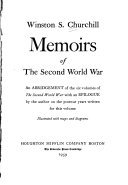
Memoirs of the Second World War
On EconTalk, host Russ Roberts mentioned Winston Churchill's multi-volume work Memoirs of the Second World War. While discussing the difficult early and middle phases of the global conflict, Roberts pointed out the physical books displayed prominently on his top shelf to his video audience.
Discussed“people who are watching this on YouTube can see on my top shelf my the five volumes of Churchill's memoirs of of World War II.”
Where to get it
-
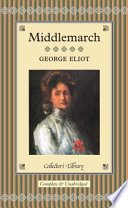
Middlemarch
On an episode of EconTalk featuring guest Doug Lemov, host Russ Roberts shared his long-standing admiration for Middlemarch by George Eliot. Roberts mentioned that he first read the novel decades ago and praised its final page as an absolute masterpiece to illustrate the deep emotional payoff of completing a major literary work.
Recommended“Middle March is one of my favorite novels. I read it uh 50 45 years ago probably. And the last page of Middle March is a masterpiece.”
Where to get it
-
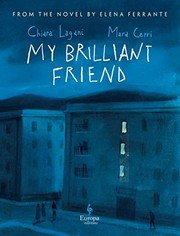
My Brilliant Friend
On the EconTalk episode titled James Marriott on Reading, released on July 21, 2025, host Russ Roberts and guest James Marriott discussed Elena Ferrante's acclaimed novel My Brilliant Friend. Roberts brought up the book, identifying it as the first installment in Ferrante's popular trilogy, as they explored the emotional weight and stressful nature of the reading experience.
Discussed“um my brilliant friend, right? It's the first one in the trilogy.”
Where to get it
-
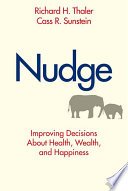
Nudge
On EconTalk, guest Gerd Gigerenzer brought up the book Nudge by Richard H. Thaler and Cass R. Sunstein during the episode In Defense of Intuition. Gigerenzer referenced the text to explain the origin of the term nudging and used it as a focal point to discuss his own critiques of government paternalism and behavioral intervention.
Discussed“So, the term nudging is from uh Thalen Sunstein's book nudge.”
Where to get it
-
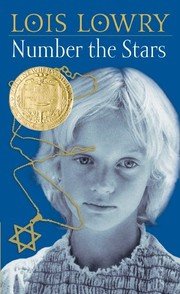
Number the Stars
On the EconTalk episode titled Read Like a Champion (with Doug Lemov), broadcast on July 28, 2025, guest Doug Lemov discussed the book Number the Stars by Lois Lowry. Lemov mentioned the novel as an example of a classic canonical text that is frequently assigned to fifth and sixth-grade students who often lack the necessary historical background knowledge about Denmark during World War II and the Nazi occupation.
Discussed“Like, we're assuming that they're like learning about uh, you know, if it's Number the Stars, classic canonical, you know, fifth or sixth grade text set in uh, Denmark during World War II during the Nazi occupation.”
Where to get it
-
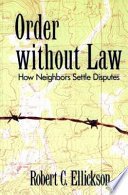
Order Without Law
During an episode of EconTalk titled Steven Pinker on Common Knowledge, released on September 22, 2025, guest Steven Pinker referenced Robert C. Ellickson's book Order Without Law. Pinker brought up the text while discussing social norms, human cooperation, and theories surrounding the enforcement mechanisms used to prevent the overgrazing of shared resources.
Discussed“Um but in the in the case of say you know Austramm and others like I think it's Larry Ellson order without law where the the the theory was that nothing short of enforcement by a third party can get people to stop overg grazing the commons.”
Where to get it
-
Portnoy's Complaint
In an episode of EconTalk titled How to Flourish, released on February 2, 2026, Daniel Coyle discussed an experiment conducted by Ellen Langer. Coyle mentioned a specific prop used in the retrofitted monastery setting, which Russ Roberts and Coyle referenced as Portnoy's Complaint by Philip Roth.
Discussed“She took an old monastery and retrofitted it so that everything in it was from 1959 as if you know the Dean Martin records and a copy of Port Noise Complaint and all the furnishings...”
Where to get it
-
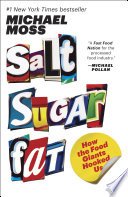
Salt Sugar Fat
On EconTalk, Julia Belluz mentioned Michael Moss's book Salt Sugar Fat. Belluz used the book to explore and explain how the modern food industry shaped American food culture, portion sizes, and snacking habits.
Discussed“So they're these strong these strong and and and the Michael Moss salt sugar fat salt sugar fat book is a great exploration of how the food industry created American or what whatever was there but it it or recreated American food culture in terms of portion sizes constantly eating snacking.”
Where to get it
-
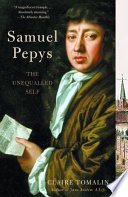
Samuel Pepys
On the July 21, 2025 episode of EconTalk titled "James Marriott on Reading", guest James Marriott discussed the works of Claire Tomalin. Marriott recommended her biography of Samuel Pepys, describing the book as an utterly charming read.
Recommended“The book to read by her in my opinion is her biograph her biography of Samuel Peeps which is just an utterly charming book.”
Where to get it
-
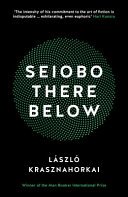
Seiobo There Below
On the July 21, 2025 episode of EconTalk titled James Marriott on Reading, guest James Marriott brought up the novel Seiobo There Below by László Krasznahorkai. Marriott described it as the book he has given away most frequently in recent years, reflecting on his initial dislike of the Hungarian novelist's work and his eventual appreciation for it.
Discussed“The book I've given away the most recent in recent years uh is Siobbo there below by Lo Kra Horai the Hungarian novelist.”
Where to get it
-
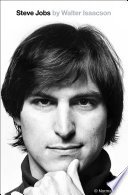
Steve Jobs
On EconTalk, host Russ Roberts mentioned Walter Isaacson's biography Steve Jobs. Roberts compared Jensen Huang's leadership style to the portrait of Steve Jobs presented in the book, noting that he had avoided reading it for a long time due to repetitive reviews.
Discussed“Reminded me of um the portrait of Steve Jobs in in Walter Isaacson's book, a book that I did not read for a long time because every review of it said the same thing.”
Where to get it
-
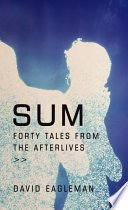
Sum
During the episode James Marriott on Reading on EconTalk, guest James Marriott discussed his reading habits and recommended David Eagleman's book Sum. Marriott stated that it is a book he frequently gives away to others. He described the work as short, lovely, thought-provoking, and quite extraordinary, encouraging any listeners at home who had not yet read it to pick up a copy.
Recommended“So, the book I give away pretty often now is Sum by David Eagleman. And if you're at home listening and you haven't read Sum, it's short and lovely and thoughtprovoking and quite extraordinary.”
Where to get it
-
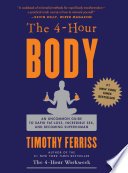
The 4-Hour Body
On an episode of EconTalk titled Tim Ferriss on Tim Ferriss (and much much more), Tim Ferriss discussed his book The 4-Hour Body. He talked about how his writing transitioned in subject matter from business and entrepreneurship in his earlier work to physical performance and interviewing coaches in this book.
Discussed“Continued to resonate in different subject matter from the 4-hour work week with business and entrepreneurship to the 4-hour body with physical performance and interviewing coaches...”
Where to get it
-
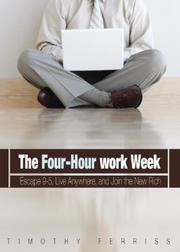
The 4-Hour Workweek
During an appearance on EconTalk on August 18, 2025, Timothy Ferriss discussed his book The 4-Hour Workweek. Ferriss talked about how the core subject matter of his writing continued to resonate and evolve across different topics, expanding outward from business and entrepreneurship in The 4-Hour Workweek to physical performance and interviewing coaches in his later work, The 4-Hour Body.
Discussed“Continued to resonate in different subject matter from the 4-hour work week with business and entrepreneurship to the 4-hour body with physical performance and interviewing coaches...”
Where to get it
-
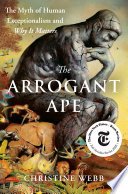
The Arrogant Ape
On the September 1, 2025 episode of EconTalk titled Humans Are Overrated (with Christine Webb), host Russ Roberts referenced Christine Webb's book The Arrogant Ape. Roberts brought up the title while discussing the unique intellectual capacities of humans, noting that humans are the only animals that write such books.
Discussed“Uh we're the only animal that writes books like this uh like the arrogant ape.”
Where to get it
-
The Artist's Way
On an episode of EconTalk, guest Daniel Coyle brought up Julia Cameron's book The Artist's Way while discussing creativity and morning pages. Coyle mentioned that Cameron published the book on a whim and that it has since sold millions of copies, functioning as a series of exercises built on letting go of control and unlocking creative potential.
Discussed“She on a whim publishes a book. Um, it's now sold millions and millions and millions of copies. It's called the artist's way and it's a series of exercise built on letting go of control...”
Where to get it
-
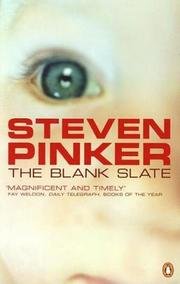
The Blank Slate
On EconTalk, guest David Bessis referenced Steven Pinker's The Blank Slate when discussing why parents of multiple children often assume behavioral differences are genetic. Bessis brought up the book again to highlight Pinker's specific chapter on genetic determinism and Turkheimer's laws of behavioral genetics.
Discussed“That's one of the thing that Steven Pinkers mentioned in his book. You know, every every parent of two kids starts to think that things are genetic because they're so different.”
Where to get it
-
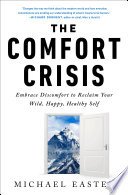
The Comfort Crisis
On EconTalk, Russ Roberts discussed The Comfort Crisis by Michael Easter. Roberts referenced a past podcast appearance by Easter to emphasize how modern human society has become accustomed to high levels of comfort, leading to unhappiness when those comforts are removed.
Discussed“reminds you of the episode we had with Michael Michael Easter on the comfort zone. We we become accustomed to comfort in the modern world and we don't appreciate it and when it's taken away we are very unhappy to lose those comforts.”
Where to get it
-
The Confessions of Jean Jacques Rousseau
In the June 16, 2025 episode of EconTalk titled Leon Kass on the Wisdom of Rousseau, guest Leon Kass referenced Jean-Jacques Rousseau's work The Confessions of Jean Jacques Rousseau. During a biographical overview, Kass described Rousseau as a prolific political philosopher, educator, novelist, composer, and the author of what he identified as the first modern autobiography.
Discussed“A prolific political philosopher known for the social contract. A philosopher of education, famous for his a meal, author of a romantic novel, composer of seven operas, a theater critic, an author of the first modern autobiography, The Confessions, and even a scientist writing an elements of botany.”
Where to get it
-
The Corrections
On EconTalk, James Marriott recommended The Corrections by Jonathan Franzen during an episode titled James Marriott on Reading, released on July 21, 2025. While discussing books well-suited for holidays, Marriott stated that nobody had ever regretted taking Franzen's novel along on a trip, endorsing it as a reliable and enjoyable choice for readers seeking a quality book to read while away.
Recommended“uh The Corrections by Jonathan Franson is on it. Okay. Nobody's ever regretted taking that book on hold in my experience.”
Where to get it
-
The economics of discrimination
Russ Roberts discussed Gary Stanley Becker's book The Economics of Discrimination on an October 2025 episode of EconTalk featuring Stephen Dubner. Reflecting on the twentieth anniversary of Freakonomics, Roberts offered a compliment to Dubner by comparing the book favorably to Becker's foundational work, noting that reading it evoked a similar sense of intellectual nuance.
Discussed“and and I'm going to pay you and and Stephen a a compliment that I I think you'll both appreciate, which is that reading this book reminded me a little bit of reading The Economics of Discrimination by Gary Becker.”
Where to get it
-
The Emergent Mind: How Intelligence Arises in People and Machines
Discussed“He's the co-author with Jay Mlullen of the book The Emergent Mind: How Intelligence Arises in People and Machines, which is our topic for today.”
Where to get it
-
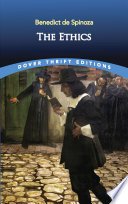
The Ethics
On EconTalk in the episode titled The Mattering Instinct (with Rebecca Newberger Goldstein) on January 12, 2026, Rebecca Newberger Goldstein brought up Benedict de Spinoza's major work The Ethics. Goldstein discussed the text while examining historical philosophical influences and metaphysical approaches in her teaching background.
Discussed“His his magnum opus is called the ethics. And you know when I when I would teach it to students it was”
Where to get it
-
The Gift of the Magi
On EconTalk in the episode Steven Pinker on Common Knowledge, released on September 22, 2025, host Russ Roberts brought up O. Henry's short story The Gift of the Magi. Roberts cited the narrative while discussing game-theoretic perspectives and the ways individuals attempt to understand the thoughts of others.
Discussed“I was going to ask you about I was just thinking about the Oh Henry short story, which I can't believe I'm blanking on the name of, but you know the one I'm talking about, Gift of the Magi. That's it. The Gift of the Magi.”
Where to get it
-
The Innovator's Dilemma
On EconTalk, host Russ Roberts brought up Clayton Christensen's book The Innovator's Dilemma to discuss its influence on Jensen Huang's business strategy. Roberts prompted guest Stephen Witt to elaborate on the book, noting his own obsession with Christensen's work and exploring how it shaped Huang's thinking.
Discussed“You talk about the influence of Clayton Christensen on Jensen Huang's thinking and it's a little bit different than the one that you attribute to to Jensen Huang.”
Where to get it
-
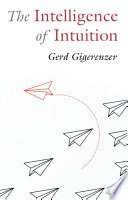
The Intelligence of Intuition
On EconTalk, host Russ Roberts welcomed guest Gerd Gigerenzer and introduced the episode's central topic by discussing the guest's book, The Intelligence of Intuition. Roberts later revisited the title during the episode's outro.
Discussed“Our topic for today is his book, The Intelligence of Intuition. Gird, welcome back to Econ Talk.”
Where to get it
-
The Jewish State
On the January 26, 2026 episode of EconTalk, titled "Zionism, the Melting Pot, and the Galveston Project," Rachel Cockerell discussed Theodor Herzl's slim volume or pamphlet known as The Jewish State. She noted that even within this foundational text of modern Zionism, Herzl made specific suggestions regarding the movement.
Discussed“I mean it's interesting because even Herzel when he first um you know he wrote this little book as he called it which was other people called it a pamphlet. a very slim volume called the Jewish state and even in that book that his sort of first uh founding of of modern Zionism he uh suggested that there could”
Where to get it
-
The League of Nations Experience
During the episode Twenty Years of Freakonomics on EconTalk, released on October 20, 2025, Russ Roberts recommended a book to listeners. While discussing sports economics, Roberts stated that he had mentioned a book long ago titled The League, which focused on the economics of the National Football League, praising it as a phenomenal read.
Recommended“And by the way, I recommend a book. I think I've mentioned it a long long time ago called I think it's called The League, which is about the economics of the NFL. It's a phenomenal book.”
Where to get it
-
The Line of Beauty
On the July 21, 2025 episode of EconTalk titled James Marriott on Reading, guest James Marriott recommended The Line of Beauty by Alan Hollinghurst. Marriott stated that he consistently includes the novel by Hollinghurst on his personal reading lists for holiday breaks.
Recommended“uh I always put The Line of Beauty by Alan Hollinghurst on that list.”
Where to get it
-
The master and his emissary
During an episode of EconTalk titled How to Flourish (with Daniel Coyle) on February 2, 2026, Russ Roberts mentioned The master and his emissary by Iain McGilchrist. Roberts brought up the book while discussing two kinds of attention with Daniel Coyle, noting that McGilchrist's previous work on the subject had been featured on a past episode of the podcast and encouraging listeners to read the dense book.
Recommended“And of course, you referenced the work of Ian McGrist, the master and his emissary, and his a past econ where we talked about that those two kinds of attention. And I encourage listeners to go back and listen to that episode to to look at I would say read his book, but his book is quite dense and quite”
Where to get it
-
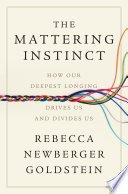
The Mattering Instinct
On EconTalk, Russ Roberts introduced Rebecca Newberger Goldstein's latest book, The Mattering Instinct, at the beginning of the episode. At the close of the interview, Roberts praised the work and encouraged listeners to read it for its happier ending.
Discussed“Her latest book and the subject of today's episode is The Mattering Instinct: How Our Deepest Longing Drives Us and Divides Us.”
Where to get it
-
The ones who walk away from Omelas
During an episode of EconTalk released on September 14, 2026, titled Incentives Are for Losers, guest Adam Mastroianni invoked Ursula K. Le Guin's short story The Ones Who Walk Away from Omelas. Mastroianni used the narrative to illustrate the concept of choosing to walk away from a morally compromised system rather than participating in flawed incentives.
Discussed“Um, I'm going to invoke uh one [snorts] of my favorite short stories. I don't I don't know if you can get it online anymore, but it used to be online. It's called The Ones Who Walk Away from Omalis.”
Where to get it
-
The Perfect Tuba
On an EconTalk episode titled The Perfect Tuba: How Band, Grit, and Community Build a Better Life (with Sam Qu, host Russ Roberts welcomed author Sam Quinones to discuss his latest work. Roberts introduced The Perfect Tuba: Forging Fulfillment from the Basshorn, Band and Hard Work as the main topic of conversation for the episode, exploring how band, grit, and community help build a better life.
Discussed“Our topic for today is his latest book, The Perfect Tuba: Forging Fulfillment from the Basshorn, Band and Hard Work.”
Where to get it
-
The Rise of Western Christendom
On the July 21, 2025 episode of EconTalk titled James Marriott on Reading, James Marriott recommended another work by Peter Brown titled The Rise of Western Christendom. Marriott described it as a longer book covering the same historical period for readers who loved The World of Late Antiquity.
Recommended“And uh he's got an even he's got an even longer book which is maybe if you if you love the world of late antiquity called the rise of western christryendom which takes the same period again.”
Where to get it
-
The Selfish Gene
On EconTalk, guest Steven Pinker appeared on the September 22, 2025, episode to discuss common knowledge. During the conversation, Pinker mentioned Richard Dawkins's book The Selfish Gene, noting that the work made genetic altruism famous fifty years ago while posing a central puzzle for evolutionary biology.
Discussed“It was made famous 50 years ago in Richard Dawkins's book the the selfish gene where it because it poses a puzzle for evolutionary biology...”
Where to get it
-
The Social Contract
During an episode of EconTalk titled James Marriott on Reading, Russ Roberts brought up Robert Ardrey's book The Social Contract. He shared how reading the work before attending graduate school completely blew his mind and left a lasting, inspiring impression on his intellectual development.
Discussed“Um I remember reading this a book called The Social Contract by Robert Arrey.”
Where to get it
-
The Sound and the Fury
On the July 28, 2025 episode of EconTalk titled Read Like a Champion (with Doug Lemov), host Russ Roberts discussed the novel The Sound and the Fury by William Faulkner. Roberts recalled attempting to read the book as a sixteen-year-old, explaining that he did not get very far into it and mistakenly concluded at the time that it was simply a bad book.
Discussed“having tried to read um um Sound the Sound of the Fury and at 16 and not getting very far and thinking, well, it's just a bad book.”
Where to get it
-
The Things They Carried
During an EconTalk episode titled Hemingway, Love, and War, released on August 25, 2025, David Wyatt brought up Tim O'Brien's renowned work The Things They Carried. Wyatt mentioned that he had just read a biography of O'Brien and cited The Things They Carried as likely the most anthologized and reprinted story written in the twentieth century, using it to illustrate Ernest Hemingway's lasting influence on later writers.
Discussed“I just read a biography of Tim O'Brien, you know, the author of The Things They Carried. Who is probably that story? The Things They Carried is the most anthologized reprinted story I think written in the 20th century.”
Where to get it
-
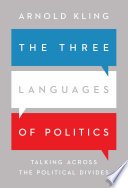
The Three Languages of Politics
On EconTalk, Russ Roberts mentioned Arnold Kling's book The Three Languages of Politics during a conversation with James Marriott. Roberts noted that the book, which had been featured on the program in previous episodes, fundamentally altered the way he thinks about political discourse.
Recommended“uh the three languages of politics by Arnold Kling which we've had at least three two or three episodes about it on this program is a book that changed the way I think about politics”
Where to get it
-
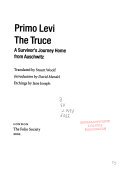
The Truce
On the July 7, 2025 episode of EconTalk titled What Is Capitalism? with Mike Munger, host Russ Roberts brought up The Truce by Primo Levi. Roberts cited the book to discuss the presence and nature of barter during Primo Levi's challenging and meandering journey back to Italy after leaving Auschwitz.
Discussed“I probably talked about it in the episode with um Dwayne Betts when we talked about Primo Levy as well as Ralph Ellison. And in his book, The Truce, where Primo Levy talks about coming back from Awitz and we're trying to get back to Italy, which is a long meandering, painful, and challenging journey. There's an immense amount of”
Where to get it
-
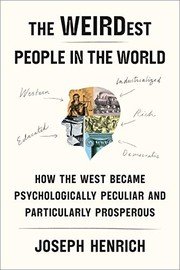
The WEIRDest People in the World
On an episode of EconTalk titled James Marriott on Reading released on July 21, 2025, James Marriott joined the podcast and brought up The WEIRDest People in the World by Joseph Patrick Henrich, Joseph Henrich, and Korey Jackson. Marriott highlighted the work, noting that it was written by an anthropologist and psychologist and that the book really transformed the way he thinks about people.
Recommended“A book called The Weirdest People in the World by Joseph Henrik, who is an anthropologist and a psychologist, really transformed the way that I think about people”
Where to get it
-
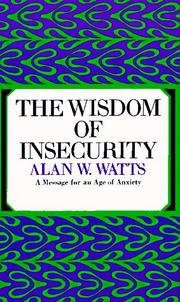
The Wisdom of Insecurity
During the November 17, 2025 episode of EconTalk, host Russ Roberts brought up The Wisdom of Insecurity by Alan Watts. Roberts expressed his deep fondness for the fascinating book, noting that although it was written in 1951 or 1952, its contents regarding human behavior and modern anxieties felt as though they could have been written yesterday. He used the text to introduce broader philosophical ideas about dealing with reality and problem-solving.
Recommended“Or uh there's I love this one. I got Alan Watts in the wisdom of insecurity which is a a book I kind of love and kind of it's a book it's fascinating book. I'll mention it for a second. It was written in 1951 or 52. I think it could have been written yesterday. It's all about how the”
Where to get it
-
The World of Late Antiquity
During the July 21, 2025 episode of EconTalk titled James Marriott on Reading, James Marriott recommended Peter Brown's book The World of Late Antiquity. Marriott described it as a slim volume and suggested it as the ideal starting point for anyone looking to enter the study of that historical period.
Recommended“Peter Brown I think the book to start with is a book called The World of Late Antiquity. quite a slim book”
Where to get it
-
Thinking, Fast and Slow
On EconTalk, guest David Bessis referenced Daniel Kahneman's Thinking, Fast and Slow while discussing the brain's intuitive and instinctive modules, known as System 1 and System 2. Bessis built upon Kahneman's work by proposing a theoretical System 3 representing the super-slow mode of mathematical thinking.
Discussed“So I have to go back to the canonical example from Kenman about the ball and the bat. uh uh so when um so the central theory of of Kenman and Ferski is that there are basically two kind of modules in the brain to uh reach conclu conclusion one is system one is uh your instinctive answer when you”
Where to get it
-
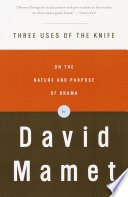
Three Uses of the Knife
On the January 5, 2026, episode of EconTalk titled "Conversation, Interintellect, and Arcadia (with Anna Gat)," Anna Gat recommended Three Uses of the Knife by David Mamet. Gat brought up the book to illustrate human understanding of the stage and dramatic narrative, describing it as one of the best books on dramatic writing that any lay person can read.
Recommended“And I think humans have a I mean this is the David Mamemed idea from three uses of the knife which is one of the best books on dramatic writing that any lay person can read.”
Where to get it
-
Tribe
On the September 1, 2025 episode of EconTalk, host Russ Roberts brought up Sebastian Junger's book Tribe. Roberts referenced Junger's discussion of colonial American times, noting that people who were kidnapped by Native Americans often resisted returning home because they valued the close, communal lifestyle they experienced.
Discussed“I think about Sebastian Younger's book tribe on this program. He talked about how uh in colonial American times, people who were kidnapped by Native Americans often didn't want to come home after a while because they found themselves more having a more communal life that they valued, a life closer to the to nature, and they found many rewards”
Where to get it
-
Universal Economics
During an episode of EconTalk on September 22, 2025, Russ Roberts brought up the textbook Universal Economics by Armen Albert Alchian and William Richard Allen. He referenced an analysis from the textbook while discussing ticket pricing and the mechanics of artificial shortages.
Discussed“I'm reminded of a wonderful analysis in Alchin and Allen's textbook which I now think has been called is called universal economics.”
Where to get it
-
Violent Saviors
At the beginning of an episode of EconTalk, host Russ Roberts introduced his guest, William Easterly, and brought up his latest work. Roberts noted that Easterly's book, Violent Saviors, served as the central subject of their conversation regarding colonialism, slavery, and foreign aid.
Discussed“His latest book is Violent Saviors, the West's Conquest of the Rest, which is the subject of today's conversation.”
Where to get it
-
What Good Are the Arts?
On the July 21, 2025 episode of EconTalk titled "James Marriott on Reading", guest James Marriott discussed literature and value. Marriott referenced John Carey's book What Good Are the Arts?, quoting from the work during the conversation.
Discussed“That's from a wonderful book uh that he wrote called What Good Are the Arts, which is”
Where to get it
-
When Everyone Knows That Everyone Knows...
On the September 22, 2025 episode of EconTalk titled Steven Pinker on Common Knowledge, host Russ Roberts plugged the book When Everyone Knows That Everyone Knows... by Steven Pinker. Roberts recommended the text at the conclusion of his interview with the author.
Recommended“My guest today has been Steven Pinker. His book is When Everyone Knows That Everyone Knows.”
Where to get it
-
Wild Problems
On EconTalk, Anna Gat discussed Russ Roberts's book Wild Problems. She expressed how much she enjoyed the work and noted that she still regularly recommends it and gifts it to people in her life who seem troubled.
Recommended“Um and you came on to talk about your book Wild Problems that came out in 2022 which I greatly enjoyed. Um and yeah, I do still recommend it to people. And if somebody seems especially troubled in my life, I get off for them for Christmas with a little, you know, wink wink.”
Where to get it
Guests who recommended books
- James Marriott (12)
- David Wyatt (8)
- David Bessis (5)
- Doug Lemov (5)
- Anna Gat (4)
- Gaurav Suri (4)
- Tim Ferriss (3)
- Daniel Coyle (2)
- Gerd Gigerenzer (2)
- Julia Belluz (2)
- Steven Pinker (2)
- Mike Munger (2)
- Leon Kass (2)
- Adam Mastroianni (1)
- Rachel Cockerell (1)
- Rebecca Newberger Goldstein (1)
- William Easterly (1)
- Anthony Gill (1)
- Stephen Dubner (1)
- Joe McReynolds (1)
- Toby Stuart (1)
- Christine Webb (1)
- Noah Smith (1)
Latest mentions
“Um, I'm going to invoke uh one [snorts] of my favorite short stories. I don't I don't know if you can get it online anymore, but it used to be online. It's called The Ones Who Walk Away from Omalis.”
“I have the 2011 artificial intelligence textbook by Russell and Norvig on my shelf. It's about 1,100 pages long. Of those 1,100 pages, about 16 total are devoted to neural nets.”
“You talk about the influence of Clayton Christensen on Jensen Huang's thinking and it's a little bit different than the one that you attribute to to Jensen Huang.”
“Reminded me of um the portrait of Steve Jobs in in Walter Isaacson's book, a book that I did not read for a long time because every review of it said the same thing.”
“And of course, you referenced the work of Ian McGrist, the master and his emissary, and his a past econ where we talked about that those two kinds of attention. And I encourage listeners to go back and listen to that episode to to look at I would say read his book, but his book is quite dense and quite”
“She took an old monastery and retrofitted it so that everything in it was from 1959 as if you know the Dean Martin records and a copy of Port Noise Complaint and all the furnishings...”
“She on a whim publishes a book. Um, it's now sold millions and millions and millions of copies. It's called the artist's way and it's a series of exercise built on letting go of control...”
“My guest is author Rachel Cochel. Her book, which is the subject of today's conversation, is The Melting Point: Family Memory and the Search for a Promised Land.”
“I mean it's interesting because even Herzel when he first um you know he wrote this little book as he called it which was other people called it a pamphlet. a very slim volume called the Jewish state and even in that book that his sort of first uh founding of of modern Zionism he uh suggested that there could”
“His memoir, which I really recommend, which I think your quote is from, it's called The World of Yesterday. It's an extraordinary memoir of life in in in Vienna and in Europe between the wars and then the rise of the Nazis.”
“He was last here in October of 2025 discussing his marvelous book Mathematica.”
“That's one of the thing that Steven Pinkers mentioned in his book. You know, every every parent of two kids starts to think that things are genetic because they're so different.”
“Her latest book and the subject of today's episode is The Mattering Instinct: How Our Deepest Longing Drives Us and Divides Us.”
“His his magnum opus is called the ethics. And you know when I when I would teach it to students it was”
“And Smith in the theory of moral sentiments when he wrote that meant us by loved, he didn't mean just romantic love.”
“Uh but along the way, we're going to pay homage to Tom Stppard who died last month and his play Arcadia. Arcadia is my favorite modern play, maybe my favorite play, period.”
“Um and you came on to talk about your book Wild Problems that came out in 2022 which I greatly enjoyed. Um and yeah, I do still recommend it to people. And if somebody seems especially troubled in my life, I get off for them for Christmas with a little, you know, wink wink.”
“And I think humans have a I mean this is the David Mamemed idea from three uses of the knife which is one of the best books on dramatic writing that any lay person can read.”
“So James Gleak in 1988 publishes chaos um his book explaining chaos theory to a a general audience.”
“Our topic for today is his book, The Intelligence of Intuition. Gird, welcome back to Econ Talk.”