Podcast
Interesting Times book recommendations
Latest mentions
-
Zero
-
The Chronicles of Narnia: The Lion, the Witch, and the Wardrobe
-
Notes on Being a Man
-
The Strategy of Denial
-

Crunchy Cons
-
The Benedict Option
-
Living in Wonder
-
Dominion
-
A Pattern Language
-
Brave New World
-
Submission
-
The Origins of Totalitarianism
-
Communion
-
The Lord of the Rings
-
The Republic
-
The Odyssey
-
The Firm
-
A Time to Kill
-
Hamlet
-
The Confessions
Most recommended on Interesting Times
-
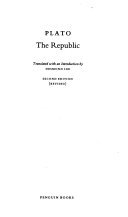
The Republic
On Interesting Times, Ross Douthat brought up Plato's Republic to ask Jennifer Frey whether there is inherent value in engaging with classical works even if they do not make someone a better person. Later in the podcast series, Ray Dalio brought up the book to reference Plato's analysis of cycles and democracy.
Discussed“Would you say that there is a inherent value in being able to read and engage with Plato’s Republic, or being able to listen to and experience Handel or Bach or anyone else who’s considered a great composer?”
Where to get it
-
A Pattern Language
On the Interesting Times podcast episode "Rod Dreher on Preparing for 'Weimar America'" published on July 9, 2026, guest Rod Dreher discussed the book "A Pattern Language" by Christopher Alexander, Sara Ishikawa, and Murray Silverstein. Dreher referenced the work to explore architectural principles that thrive and make people feel good and connected to the whole.
Discussed“He wrote a book called A pattern language, talking about how his study of what architecture thrives, what aspects of it make people feel good and feel connected to the whole.”
Where to get it
-
A Place of Greater Safety
On Interesting Times in the episode What Makes Andor Left-Wing? with Ross Douthat on June 5, 2025, Tony Gilroy discussed Hilary Mantel's novel A Place of Greater Safety. Gilroy mentioned the book while recounting his repeated deep dives into the history of the French Revolution, describing it as a terrific and amazing novel.
Discussed“I probably revisited the French Revolution half a dozen times in my life, and probably the last thing I read was oh, there’s a great novel. Hilary Mantel’s a place of greater safety. Oh Yeah. No, it’s a terrific book, amazing book.”
Where to get it
-
A Time to Kill
On the May 21, 2026, episode of Interesting Times, Ross Douthat discussed John Grisham's A Time to Kill. Douthat brought up the novel while comparing Grisham's work to Shakespeare's Hamlet.
Discussed“That lets us tell that we should be reading Hamlet before or distinct from reading the firm or a time to kill because Hamlet.”
Where to get it
-
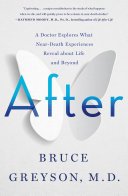
After
On an August 21, 2025 episode of Interesting Times featuring a discussion between Ross Douthat and Ezra Klein, guest Ross Douthat recommended the book After by Bruce Greyson. Douthat brought up the work during the final segment of the show when asked for three book recommendations, describing the author as a psychiatrist or neuroscientist from the University of Virginia.
Recommended“I think people who are interested in this subject, interested in the conversation, one recommendation would be a book called After by Bruce Grayson, who's a I think psychiatrist or neuroscientist from the University of Virginia”
Where to get it
-
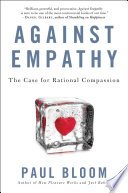
Against Empathy
On Interesting Times, Allie Beth Stuckey mentioned that Paul Bloom wrote a book critiquing empathy titled Against Empathy.
Discussed“I heard Abigail Shrier first say this, and I think she might have even gotten this from Paul Bloom, which is a Yale psychologist who wrote a book called against empathy.”
Where to get it
-
All watched over by machines of loving grace
On the Interesting Times episode titled Anthropic's CEO: ‘We Don’t Know if the Models Are Conscious’, released on February 12, 2026, Ross Douthat brought up Richard Brautigan's collection of poetry titled All Watched Over by Machines of Loving Grace. Douthat referenced the work to explore the philosophical stances and implications behind the title of Dario Amodei's essay on technology.
Discussed“and you supplied the poem 'Machines of Loving Grace' the name of a poem by Richard Brautigan. Yes here’s how the poem ends. I like to think it has to be of a cybernetic ecology where we are free of our labors and joined back to nature, returned to our mammal brothers and sisters, and all watched over by machines”
Where to get it
-

Amoris Laetitia
Father James Martin discussed Amoris Laetitia by Pope Francis on the podcast Interesting Times in the April 26, 2025 episode titled Can the Catholic Church Quit the Culture Wars?. He brought up the apostolic exhortation on the family to defend Pope Francis and his approach to listening to individual consciences against critics who argued that it promoted moral ambiguity.
Discussed“and even in the synod and LGBTQ issues and in amoris laetitia, in his apostolic exhortation on the family, a lot of his critics said Oh, well, anything goes it’s just we’re just going to listen to people.”
Where to get it
-
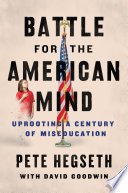
Battle for the American Mind
On the October 9, 2025 episode of Interesting Times titled 'Christian Nationalism vs Clown World | Interesting Times with Ross Douthat', Ross Douthat discussed 'Battle for the American Mind' by Pete Hegseth and David Goodwin. Douthat talked about the collaboration between the authors and how Hegseth was familiar with his work on education.
Discussed“They wound up writing the battle for the American mind together. And so Hegseth knew about me from all the stuff I’d done on education.”
Where to get it
-
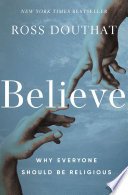
Believe
Ross Douthat's book Believe was mentioned on Interesting Times during the episode Ross and Ezra Klein Discuss Trump, Mysticism and Psychedelics. Ezra Klein introduced his guest by referencing the book, noting that he enjoyed it very much despite having questions about quite a bit of its content.
Discussed“He's the author of Believe: Why Everyone Should Be Religious, a book I enjoyed very much, even though quite a bit of it I had some questions about.”
Where to get it
-
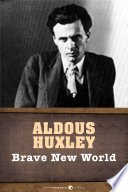
Brave New World
Rod Dreher cited Aldous Huxley's novel Brave New World during an appearance on Interesting Times with Ross Douthat. Specifically referencing Chapter 17 of the work, Dreher brought up the book to illustrate the concept of therapeutic totalitarianism.
Discussed“Chapter 17 of Huxley’s Brave New World.”
Where to get it
-
Bronze Age Mindset
On Interesting Times, Jonathan Keeperman recommended Bronze Age Mindset by Bronze Pervert, describing it as a major 21st-century text for understanding concepts like the longhouse. Ross Douthat also brought up the book during the conversation, noting that readers examining certain passages might identify racist elements within the right-wing counterculture text.
Recommended“O.K Bronze Age mindset, which is one of the great texts of the 21st century. And I encourage all the New York Times’ listeners to read it.”
Where to get it
-
Can We Trust the Gospels?
On the April 2, 2026 episode of Interesting Times titled Did Jesus Rise From the Dead? A Debate with Bart Ehrman, Ross Douthat brought up Peter J. Williams's book Can We Trust the Gospels? while discussing scholarly debates surrounding the reliability of the gospels.
Discussed“One of the people you’ve debated in your many debates is a scholar and writer named Peter Williams, who wrote a book called, "Can We Trust the Gospels?"”
Where to get it
-
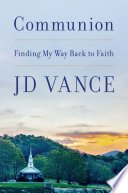
Communion
On Interesting Times, Ross Douthat brought up JD Vance's newly published book Communion. He spoke with the author about the work to discuss its themes centered around a religious memoir and personal faith.
Discussed“You’re talking about your New book, which is called communion, Yes, Finding my way back to faith.”
Where to get it
-
Crunchy Cons
In the July 9, 2026 episode of Interesting Times titled Rod Dreher on Preparing for Weimar America, Ross Douthat discussed Rod Dreher's past book Crunchy Cons. Douthat brought up the publication to highlight how its themes and cultural observations anticipated the emergence of subsequent political developments such as the MAHA movement.
Discussed“Your book, “Crunchy Cons” anticipated the MAHA movement.”
Where to get it
-
Democracy in America
On the March 19, 2026 episode of Interesting Times, Jeremy Carl discussed Alexis de Tocqueville's Democracy in America. He cited the book to argue that the United States did not historically experience continuous mass immigration, noting that Tocqueville did not mention the word immigrant in the work when the foreign-born population was two percent.
Discussed“So there were huge periods of time that we had very low immigration in this country, and if you actually read democracy in America by Tocqueville, he doesn’t mention the word immigrant or immigration even once in that book, the US is 2 percent foreign born at that time.”
Where to get it
-
Dominion
On the July 9, 2026, episode of Interesting Times titled Rod Dreher on Preparing for 'Weimar America' | Interesting Times with Ross Douth, Rod Dreher recommended Tom Holland's book Dominion. Dreher directed listeners to the work to explain how Christianity shaped Western secular values.
Recommended“Well, I would direct them to Tom Holland’s great book from a few years ago, “Dominion.””
Where to get it
-
En El Congo/ in the Jungle (Tintin Facsimil)
On Interesting Times, Ross Douthat discussed Hergé's book En El Congo/ in the Jungle (Tintin Facsimil). Douthat brought up the early Tintin volume as an example of historical art containing super racist caricatures of Africans.
Discussed“One of the early Tintin books is called Tintin in the Congo. And it’s super racist. Like it is a set of super racist caricatures of Africans”
Where to get it
-
Epistle of Paul the Apostle to the ROMANS
Ben Sasse brought up the biblical book of Romans on an episode of Interesting Times titled How Ben Sasse is Living Now That He Is Dying. Sasse referenced the text to respond to hypothetical skepticism, explaining how the Apostle Paul laid out the catechetical argument for the structure of Christianity against a Jewish messianic backdrop.
Discussed“Let’s read the book of Romans together. In Romans 1, where Paul’s essentially laying out the catechetical argument for the structure of Christianity against a Jewish messianic, hopeful backdrop.”
Where to get it
-
Fahrenheit 451
On the September 8, 2025, episode of Interesting Times, Ross Douthat referenced Ray Bradbury's classic novel Fahrenheit 451, momentarily misstating the title as Fahrenheit 415. Douthat brought up the book while discussing the concept of people living out in the woods who memorize great humanist texts to preserve them.
Discussed“Or like the people in the Fahrenheit 415 or whatever the book or out in the woods that have memorized their memorizing. Memorizing the great books, the humanist.”
Where to get it
-

Fire and Fury
On Interesting Times, host Ross Douthat mentioned Michael Wolff's book Fire and Fury during a January 2025 episode titled Steve Bannon on Elon Musk and the Battle for Trump's Ear. Douthat brought up the book to contextualize Steve Bannon's exit and subsequent exile from Trump World.
Discussed“exiled from Trump World after Michael Wolf's book fire and fury came out”
Where to get it
-
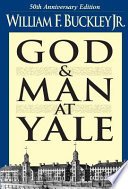
God and Man at Yale
William F. Buckley's God and Man at Yale was discussed by host Ross Douthat on an episode of Interesting Times in September 2025. Douthat brought up the book to illustrate that conservative complaints about college campuses being overly liberal and ideologically conformist are not new, but rather have persisted since Buckley first emerged on the political scene.
Discussed“one that’s been going on since William F Buckley first emerged on the political scene and wrote God and man at Yale.”
Where to get it
-
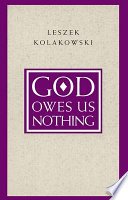
God Owes Us Nothing
On an episode of Interesting Times titled Christian Nationalism vs Clown World, Ross Douthat brought up Leszek Kolakowski's book God Owes Us Nothing. Douthat mentioned the work to explore topics surrounding the Calvinist form of Catholicism and the zeal of Jansenism.
Discussed“Have you ever read God owes us nothing by Leszek kolakowski? No it’s a book. He’s a Polish philosopher, but it’s a book about essentially the Calvinist form of Catholicism.”
Where to get it
-
Hamlet
On an episode of Interesting Times from May 2026, Ross Douthat brought up William Shakespeare's play Hamlet. Douthat referenced the work during a conversation with Jennifer Frey to challenge her views on what makes Shakespeare superior to popular fiction like legal thrillers.
Discussed“That lets us tell that we should be reading Hamlet before or distinct from reading the firm or a time to kill because Hamlet.”
Where to get it
-
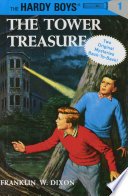
Hardy Boys Mystery Stories 1-2
On the Interesting Times podcast, Ross Douthat brought up Franklin W. Dixon's Hardy Boys Mystery Stories 1-2 while discussing Passage Press. Douthat noted that the press publishes the original Hardy Boys series before some multicultural PC cleanups.
Discussed“You publish the Hardy Boys, the original Hardy Boys before some multicultural PC cleanups, correct.”
Where to get it
-
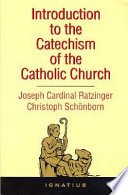
Introduction to the Catechism of the Catholic Church
On the April 26, 2025, episode of Interesting Times titled 'Can the Catholic Church Quit the Culture Wars?', Ross Douthat and Father James Martin discussed 'Introduction to the Catechism of the Catholic Church.' Douthat brought up the text to question whether Pope Francis made concrete changes to official church teachings regarding same-sex relations. Father James Martin responded by explaining that the Pope's goal was to shift the conversational tone rather than alter formal dogmatic text.
Discussed“there isn’t like a concrete change to The Catechism in what it says about the immorality of same sex relations.”
Where to get it
-
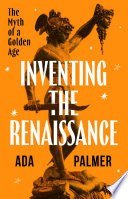
Inventing the Renaissance
On the August 21, 2025, episode of Interesting Times, Ezra Klein brought up Ada Palmer's book Inventing the Renaissance. Klein mentioned reading the work recently while having a broader discussion with Ross about how organized religions intertwine with historical regimes and cultural shifts.
Discussed“I've been reading about the Renaissance recently. Um, Ada Palmer's great book on inventing the Renaissance.”
Where to get it
-
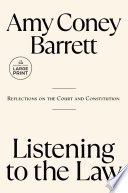
Listening to the Law
On the October 16, 2025, episode of Interesting Times titled Amy Coney Barrett Is Looking Beyond the Trump Era | Interesting Times with Ross, host Ross Douthat discussed Listening to the Law by Amy Coney Barrett. Ross Douthat introduced Justice Amy Coney Barrett's new book at the beginning of the episode to highlight her judicial philosophy and approach to the Constitution.
Discussed“Her new book, "Listening to the Law," offers insights into her approach to the Constitution: from the Dobbs decision on abortion to her view of the Supreme Court’s role in the age of Donald Trump.”
Where to get it
-
Living in Wonder
On the July 9, 2026, episode of Interesting Times, host Ross Douthat brought up Rod Dreher's book Living in Wonder. Douthat referenced the text to discuss Dreher's writings on the return of the supernatural, spiritual experiences, dark re-enchantment, and anxieties surrounding an artificial intelligence future.
Discussed“And then your latest book, “Living in Wonder,” was about the return of the supernatural, and also about anxieties about an A.I. future.”
Where to get it
-
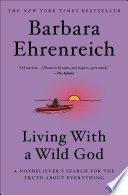
Living with a Wild God
On the August 21, 2025 episode of Interesting Times, Ross Douthat discussed Barbara Ehrenreich's book Living with a Wild God. Douthat referenced the work by a famously secular writer to illustrate how individuals outside of traditional religion can still experience profound mystical and religious events.
Discussed“Famous left liberal writer wrote a whole book called and a famous atheist. yes. famous atheist called Living with a Wild God, right? And it was just a book about a very secular person who had a lot of religious experiences”
Where to get it
-

Marie Antoinette
Tony Gilroy brought up Stefan Zweig's biography of Marie Antoinette on Interesting Times during the June 5, 2025 episode titled "What Makes 'Andor' Left-Wing? | Interesting Times with Ross Douthat." Gilroy mentioned reading the book when he was fifteen or sixteen years old, noting how it sparked his lifelong autodidactic reading habits and interest in the French Revolution.
Discussed“I mean, I probably read Stefan zweig’s Marie Antoinette when I was 15 or 16 years old and started a French Revolution Jag.”
Where to get it
-
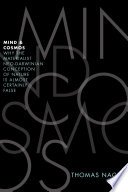
Mind and Cosmos
On Interesting Times, Ross Douthat recommended Thomas Nagel's short book 'Mind and Cosmos' as his third recommendation, highlighting its critique of materialist frameworks from a non-religious philosophical perspective.
Recommended“um but a book called Mind and Cosmos by Thomas Nagel was a famous philosopher not religious but arguing for the fundamental limits and problems with a materialist framework on the world and it is a very short book”
Where to get it
-
MOBY-DICK; or, THE WHALE
On the May 1, 2025 episode of Interesting Times titled The New Culture of the Right: Vital, Masculine and Offensive, Jonathan Keeperman recommended Moby-Dick by Herman Melville. Keeperman stated that it is a clichéd choice but maintained that every American of any age should know the book, arguing that Moby-Dick is essentially American and serves as a vital text for high school seniors.
Recommended“So the book I would choose for this is Moby Dick, and it’s a very obvious cliché choice, but it’s a thing that kind of everybody from all ages if you’re an American, this is a book you just should know. I think Moby Dick is essentially American”
Where to get it
-
Modern Physics and Ancient Faith
On an episode of Interesting Times in August 2025, Ross Douthat recommended Stephen M. Barr's book Modern Physics and Ancient Faith. In response to a prompt for reading material concerning religion and physics, Douthat praised the work as the best overall survey available despite its age.
Recommended“The first one is a book called from about 20 years ago by a physicist named Steven Bar called ancient physics and modern faith. That is I think despite being a little bit dated is still really the best overall survey”
Where to get it
-
No Country for Old Men
During an episode of Interesting Times titled The New Culture of the Right: Vital, Masculine and Offensive in May 2025, guest Jonathan Keeperman brought up Cormac McCarthy's novel No Country for Old Men. Keeperman cited the book as an example of successful right-wing art, though he noted that neither the Coen brothers nor McCarthy would likely self-identify as right-wing.
Discussed“Sure no country for Old Men as an example, but it’s not self-consciously right wing, right. I doubt, the Coen brothers would call themselves on the right. And I don’t even know if Cormac McCarthy, who wrote the book. It’s based on.”
Where to get it
-
Notes on Being a Man
On an episode of Interesting Times, host Ross Douthat brought up Scott Galloway's book Notes on Being a Man to prompt the author about his personal background and upbringing. Douthat noted that while the book functions partly as analysis and prescription, a significant portion of it consists of personal story and memoir.
Discussed“So take us back in time in your own life, because your book about this subject is partially analysis and prescription, but a lot of it is personal story and memoir.”
Where to get it
-

Passport to Magonia
On an episode of Interesting Times with Ross Douthat, Diana Walsh Pasulka discussed Jacques Vallee's book Passport to Magonia. She mentioned that it was one of the first books she read when she transitioned to studying UFO beliefs and practices. Pasulka praised the work as great, highlighting it as one of the many notable titles within the wider literature surrounding UFOs.
Discussed“So one of the first books I read when I made the turn to study U.F.O. beliefs and practices was Jack’s "Passport to Magonia," which is a great book, one of the many great titles of books in the U.F.O. literature.”
Where to get it
-
Profiles in courage
During the January 31, 2025 episode of Interesting Times titled Steve Bannon on Elon Musk and the Battle for Trump's Ear, Steve Bannon referenced John F. Kennedy's book Profiles in Courage. Bannon brought up the title to emphasize the unprecedented nature of Donald Trump's struggles, arguing that the entire book could not compare to what Trump faced.
Discussed“go read Jack Kennedy's profiles and courage you can add up the whole book and it doesn't come close”
Where to get it
-
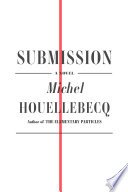
Submission
On the July 9, 2026 episode of Interesting Times titled "Rod Dreher on Preparing for 'Weimar America' | Interesting Times with Ross Douth", Rod Dreher discussed Submission by Michel Houellebecq. Dreher brought up the novel to illustrate the themes of European secularism and immigration.
Discussed“Now, this is the message that Michel houellebecq famously articulated in his book submission.”
Where to get it
-
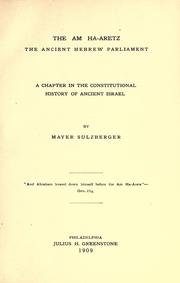
The Am ha-aretz
On Interesting Times, Yoram Hazony mentioned Mayer Sulzberger's work, The Am ha-aretz, while arguing that right-wing podcasters are importing left-wing arguments by reading Haaretz.
Discussed“I mean, they’re basically reading Haaretz.”
Where to get it
-
The Benedict Option
Ross Douthat mentioned Rod Dreher's book The Benedict Option on Interesting Times to discuss Christian disillusionment and political disengagement. He also brought up the book to compare it with Dreher's experiences and subsequent writing in Hungary.
Discussed“You wrote a book called “The Benedict Option” in the mid-2010s that crystallized a sense of Christian disillusionment with politics and disengagement with politics.”
Where to get it
-
The Chronicles of Narnia: The Lion, the Witch, and the Wardrobe
During an episode of Interesting Times titled "Is Living to 150 Worth It? | Interesting Times with Ross Douthat" on August 13, 2026, Ross Douthat brought up "The Chronicles of Narnia: The Lion, the Witch, and the Wardrobe" by Perry Moore and C. S. Lewis. He used C. S. Lewis's Narnia series to raise the question of whether pursuing physical immortality ultimately leads to despair.
Discussed“And I there's a line in um CS Lewis's Narnia books to the effect that this is, you know, in the same zone as Dracula and Dorian Gray and and all the others that um you're trying to either offer an alternative to or not, right?”
Where to get it
-
The Confessions
On the May 21, 2026 episode of Interesting Times titled The Best Defense Against A.I. is Reading Plato, Jennifer Frey discussed Saint Augustine's The Confessions as a foundational text in the core curriculum she established for the Honors College at the University of Tulsa, tracing a historical line from Augustine to the Reformation.
Discussed“And then, of course, you read some of the Bible, and then you go into long Middle Ages. And that’s basically Augustine to the Reformation. So we start with the confessions, and we go all the way into Luther and Calvin.”
Where to get it
-
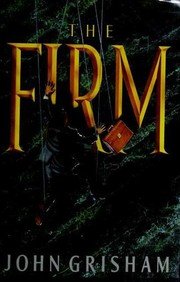
The Firm
The Firm by John Grisham was brought up on Interesting Times as Ross Douthat and Jennifer Frey discussed the hierarchy of literature. Douthat compared Shakespeare to Grisham to challenge literary standards, and Frey mentioned reading the book to illustrate the difference between being merely entertained and experiencing high art.
Discussed“The Philistine skeptic that Shakespeare is better than John Grisham. Is Shakespeare better than John grisham? Yes why I haven’t read John Grisham since high school, though I have. I haven’t read John Grisham in a while. I’m just. I’m dating myself as I’m a mid-forties person that it’s better that Shakespeare is better. Give me a difference. 1111 qualifying”
Where to get it
-

The Forest Passage
On Interesting Times in the episode The New Culture of the Right: Vital, Masculine and Offensive | Interesting Times, released on May 1, 2025, Jonathan Keeperman mentioned Ernst Jünger's book The Forest Passage. Keeperman brought up the work while discussing the origins of Passage Press and the relationship between vitalism and religion.
Discussed“and actually a passage press comes from the book forest passage by Ernst jünger.”
Where to get it
-
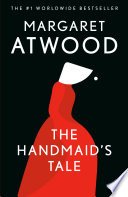
The Handmaid's Tale
Doug Wilson mentioned Margaret Atwood's novel on Interesting Times to argue that historical sodomy laws did not transform society into a totalitarian hellhole akin to the fictional regime depicted in the book.
Discussed“That was not a totalitarian hellhole. That was not the Handmaid's Tale. It was a free and prosperous country that I was grateful to God to be growing up in.”
Where to get it
-
The Hebrew Bible
On Interesting Times, Yoram Hazony brought up the Hebrew Bible while discussing traditional political orders, family structures, and ancient governance. He cited the text to illustrate how ancient empires are viewed primarily as evil in contrast to localized rule and to describe the narrative relationship between a divinely ordained nation and God.
Discussed“You see this in Hebrew Bible, but you see it in many other sources.”
Where to get it
-
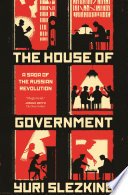
The House of Government
On the June 5, 2025 episode of Interesting Times, Tony Gilroy discussed The House of Government by Yuri Slezkine. Gilroy brought up the work while talking about his deep fascination with the Russian Revolution and his extensive historical research into the era's show trials and evolving literature.
Discussed“And I was obsessed with the Russian Revolution. And then the literature on that has expanded over time and the show trials and how have you ever seen house of government. It’s just an incredible book.”
Where to get it
-
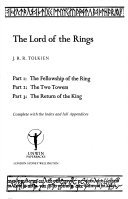
The Lord of the Rings
On Interesting Times, Ross Douthat referenced J.R.R. Tolkien's The Lord of the Rings to explain the literary origins behind the defense company name Anduril, which refers to Aragorn's sword. Douthat mentioned the book while comparing the Tolkien-inspired naming conventions of defense technology firms like Anduril and Palantir.
Discussed“So Anduril, it’s a Tolkien reference to what I know the answer, but some people might not. So the name is a conscious nerd detector. So we have identified you as such. The reference Anduril is aragorn’s sword in the Lord of the Rings. It is the flame of the West is, I think, the elven translation. There are narsil”
Where to get it
-
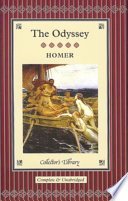
The Odyssey
On Interesting Times in May 2026, Ross Douthat brought up Homer's The Odyssey. He referenced the book to question whether it is inherently superior to other forms of media and fiction in modern American culture.
Discussed“Such as about the idea that, just for instance, that an encounter with Shakespeare is better than an encounter with fiction, or that an encounter with the Odyssey is better.”
Where to get it
Host picks
- A Time to Kill
- All watched over by machines of loving grace
- Battle for the American Mind
- Believe
- Bronze Age Mindset
- Can We Trust the Gospels?
- Communion
- Crunchy Cons
- En El Congo/ in the Jungle (Tintin Facsimil)
- Fahrenheit 451
- Fire and Fury
- God and Man at Yale
- God Owes Us Nothing
- Hamlet
- Hardy Boys Mystery Stories 1-2
- Introduction to the Catechism of the Catholic Church
- Inventing the Renaissance
- Listening to the Law
- Living in Wonder
- Notes on Being a Man
Guest picks
- A Pattern Language
- A Place of Greater Safety
- After
- Against Empathy
- Amoris Laetitia
- Brave New World
- Bronze Age Mindset
- Democracy in America
- Dominion
- Epistle of Paul the Apostle to the ROMANS
- Introduction to the Catechism of the Catholic Church
- Living with a Wild God
- Marie Antoinette
- Mind and Cosmos
- MOBY-DICK; or, THE WHALE
- Modern Physics and Ancient Faith
- No Country for Old Men
- Passport to Magonia
- Profiles in courage
- Submission
Guests who recommended books
- Ross Douthat (6)
- Rod Dreher (5)
- Yoram Hazony (4)
- Jonathan Keeperman (4)
- Jennifer Frey (3)
- Tony Gilroy (3)
- Jeremy Carl (2)
- Helen Andrews (2)
- Osita Nwanevu (2)
- Father James Martin (2)
- Bryan Johnson (1)
- Ray Dalio (1)
- Ben Sasse (1)
- Paul Kingsnorth (1)
- Doug Wilson (1)
- Ezra Klein (1)
- Diana Walsh Pasulka (1)
- Allie Beth Stuckey (1)
- Bret Stephens (1)
- Steve Bannon (1)
Latest mentions
“And then I read this book uh called zero, a dangerous idea. And I learned about the history of zero, how it's disrupted everything in history, physics and math and art and religion and philosophy.”
“And I there's a line in um CS Lewis's Narnia books to the effect that this is, you know, in the same zone as Dracula and Dorian Gray and and all the others that um you're trying to either offer an alternative to or not, right?”
“So take us back in time in your own life, because your book about this subject is partially analysis and prescription, but a lot of it is personal story and memoir.”
“Just for backdrop wrote a book called strategy of denial, which was a book arguing specifically that US foreign policy should be oriented around deterrence against potential Chinese aggression in the Pacific.”
“Your book, “Crunchy Cons” anticipated the MAHA movement.”
“So let’s talk about Viktor Orbán’s Hungary since you brought it up. Because right. You wrote your most recent book, Living in wonder about the re-enchantment of the world and one of your most famous books, the Benedict option, was about rebuilding Christian community in a secular age and not relying heavily on politics.”
“You brought up A.I. and in your book, Living in wonder. There’s a lot of optimistic writing about re-enchantment and spiritual experience and encounter with God.”
“Well, I would direct them to Tom Holland’s great book from a few years ago, “Dominion.””
“He wrote a book called A pattern language, talking about how his study of what architecture thrives, what aspects of it make people feel good and feel connected to the whole.”
“Chapter 17 of Huxley’s Brave New World.”
“Now, this is the message that Michel houellebecq famously articulated in his book submission.”
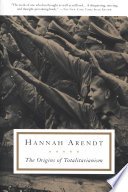
“Well, what I mean by that, and this also goes back to Hannah Arendt in her famous 1951 book, the origins of totalitarianism.”
“You’re talking about your New book, which is called communion, Yes, Finding my way back to faith.”
“So having a military industrial company named for something in Lord of the Rings is something that you obviously have in common with Palantir”
“Plato talked about this cycle. And no. In the Republic. And he talked about the democracy and the problems with the democracy, because the people don’t vote for what is good for them.”
“Such as about the idea that, just for instance, that an encounter with Shakespeare is better than an encounter with fiction, or that an encounter with the Odyssey is better.”
“And I enjoyed the firm. I mean, just to be clear, it was entertaining. But there’s a difference between being amused and entertained.”
“That lets us tell that we should be reading Hamlet before or distinct from reading the firm or a time to kill because Hamlet.”
“That lets us tell that we should be reading Hamlet before or distinct from reading the firm or a time to kill because Hamlet.”
“And then, of course, you read some of the Bible, and then you go into long Middle Ages. And that’s basically Augustine to the Reformation. So we start with the confessions, and we go all the way into Luther and Calvin.”