
Episode · Interesting Times · 2026-07-09
Ross Douthat & Rod Dreher: books mentioned on Interesting Times
Rod Dreher on Preparing for 'Weimar America' | Interesting Times with Ross Douthat
The work of Rod Dreher has a consistent theme: doom. He believes the collapse of Christianity has ushered civilizational decline in Europe, that we’ve traded our humanity for comfort, and he worries that totalitarianism is around the corner for the United States.
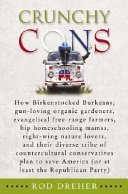
Ross Douthat discussed Crunchy Cons by Rod Dreher, The Benedict Option by Rod Dreher, and Living in Wonder by Rod Dreher. Rod Dreher recommended Dominion by Tom Holland, and discussed A Pattern Language by Christopher Alexander and others, Brave New World by Aldous Huxley, Submission by Michel Houellebecq, and The Origins of Totalitarianism by Hannah Arendt.
Books mentioned, in the order they came up
-
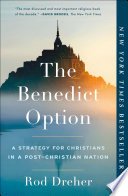
The Benedict Option
The Benedict Option by Rod Dreher is a conservative Christian book that argues for the intentional withdrawal of believers from mainstream secular culture to build resilient, traditional communities.
Discussed“You wrote a book called “The Benedict Option” in the mid-2010s that crystallized a sense of Christian disillusionment with politics and disengagement with politics.”
Where to get it
-
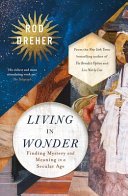
Living in Wonder
Living in Wonder by Rod Dreher is a book that explores the return of the supernatural, spiritual experiences, encounters with God, and growing cultural anxieties regarding an artificial intelligence-driven future.
Discussed“And then your latest book, “Living in Wonder,” was about the return of the supernatural, and also about anxieties about an A.I. future.”
Where to get it
-
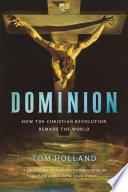
Dominion
Dominion by Tom Holland is a sweeping historical work examining how Christianity shaped Western culture, secular values, and modern moral frameworks.
Recommended“Well, I would direct them to Tom Holland’s great book from a few years ago, “Dominion.””
Where to get it
-
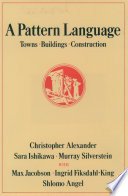
A Pattern Language
A Pattern Language by Christopher Alexander, Sara Ishikawa, and Murray Silverstein is a foundational architectural and design treatise that maps universal patterns across towns, buildings, and spaces.
Discussed“He wrote a book called A pattern language, talking about how his study of what architecture thrives, what aspects of it make people feel good and feel connected to the whole.”
Where to get it
-
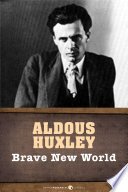
Brave New World
Brave New World by Aldous Huxley is a classic dystopian science fiction novel that depicts a technologically advanced future society controlled through engineered reproduction, psychological conditioning, and constant superficial pleasure.
Discussed“Chapter 17 of Huxley’s Brave New World.”
Where to get it
-
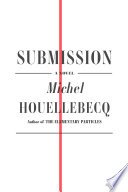
Submission
Submission by Michel Houellebecq is a provocative dystopian novel that imagines a near-future France where an Islamic political party peacefully comes to power and reshapes French society, culture, and higher education.
Discussed“Now, this is the message that Michel houellebecq famously articulated in his book submission.”
Where to get it
-
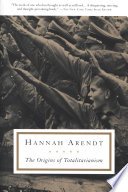
The Origins of Totalitarianism
The Origins of Totalitarianism by Hannah Arendt is a foundational political science text that examines the historical roots, psychosocial conditions, and structural mechanisms that allowed Nazism and Stalinism to rise in the twentieth century.
Discussed“Well, what I mean by that, and this also goes back to Hannah Arendt in her famous 1951 book, the origins of totalitarianism.”
Where to get it
Other mentions in this episode (1) — ad reads, self-promotion and passing references, never counted
“And I think that Christian re-enchantment, which is the point of my last book, Living in wonder, I think that’s something we have to do, because we’re not going to re-christianize the world by moralism, or certainly not by politics.”