
Episode · No Stupid Questions · 2023-01-19
Books mentioned on Why Do We Forget So Much of What We’ve Read? | No Stupid Questions | Episode 24
Stephen Dubner discussed A tree grows in Brooklyn by Betty Smith and How to Win Friends and Influence People by Dale Carnegie. Also mentioned: Ring by Jonathan Yardley, The New Annotated Sherlock Holmes by Arthur Conan Doyle, Dale Carnegie for Children (Abridged and adapted) by Dale Carnegie, The Theory of Moral Sentiments by Adam Smith, Wake up, wake up, to do the work of the creator by William B. Helmreich, When Memory Comes by Saul Friedlander, and A Study in Scarlet by Arthur Conan Doyle.
Books mentioned, in the order they came up
-
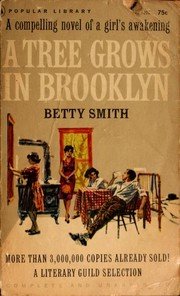
A tree grows in Brooklyn
A tree grows in Brooklyn by Betty Smith is a classic coming-of-age novel depicting a young girl growing up in poverty in early twentieth-century Williamsburg.
Discussed“I've been thinking about a conversation that we had about A Tree Grows in Brooklyn”
Where to get it
-
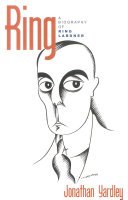
Ring
Discussed“so like there's a biography of ring lardner a writer that I loved that I bought it was a biography by Jonathan Yardley”
Where to get it
-
The New Annotated Sherlock Holmes
Arthur Conan Doyle's classic detective fiction, presented with extensive commentary in editions like The New Annotated Sherlock Holmes, continues to captivate readers and influence modern storytellers.
Discussed“my Guiding Light on memory and how it works was a quote I read a million years ago I believe it was by Arthur Conan Doyle the author of the Sherlock Holmes books”
Where to get it
-
Dale Carnegie for Children (Abridged and adapted)
Dale Carnegie for Children is an abridged and adapted version of Dale Carnegie's classic self-help teachings, tailored to help younger audiences develop social skills, confidence, and emotional intelligence.
Discussed“so Dale Carnegie seven habits of highly effective people We've talked about this self-help book”
Where to get it
-
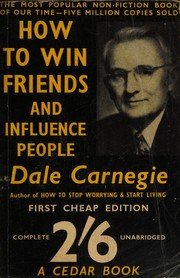
How to Win Friends and Influence People
How to Win Friends and Influence People by Dale Carnegie is a classic self-help book focused on interpersonal communication, empathy, and building genuine human connections.
Discussed“how to get people how to win friends and influence people can't remember the title of the book”
Where to get it
-
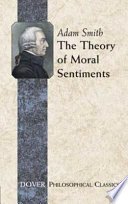
The Theory of Moral Sentiments
The Theory of Moral Sentiments by Adam Smith is a seminal 1759 work of moral philosophy that examines the psychological foundations of human judgment, empathy, and social order.
Discussed“because when Adam Smith said that we all want to be praised and we all want to be praise worthy I think it was in a theory of moral sentiments”
Where to get it
-
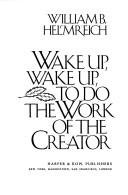
Wake up, wake up, to do the work of the creator
Discussed“he attributes the following quote to sociologist William helmrich”
Where to get it
-
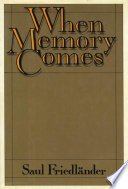
When Memory Comes
Discussed“but he was actually thinking about Israeli historian Saul friedlander's 1979 Holocaust Memoir when memory comes”
Where to get it
-
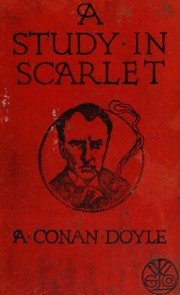
A Study in Scarlet
A Study in Scarlet is Arthur Conan Doyle's foundational 1887 detective novel that introduced the legendary fictional character Sherlock Holmes to the reading public.
Discussed“the passage is from the author's 1887 detective novel a study in Scarlet he writes”
Where to get it

Other mentions in this episode (2) — ad reads, self-promotion and passing references, never counted
“so Dale Carnegie seven habits of highly effective people”
“friedlander was actually referencing a book from his childhood the Austrian novelist Gustav myrink's retelling of the Jewish legend of Golem”