
Episode · Dwarkesh Podcast · 2022-12-01
Books mentioned on Byrne Hobart - FTX, Drugs, Twitter, Taiwan, & Monasticism
Perhaps the most interesting episode so far. Byrne Hobart writes at thediff.
Byrne Hobart discussed The years of Lyndon Johnson (Volumes 1-3) by Robert A. Caro, War and Peace by Leo Tolstoy and others, The Iliad, The Economics of World War II by Mark Harrison, and Princes of the Yen by Richard Werner. Dwarkesh Patel discussed The Power Broker by Robert A. Caro, The End of History and the Last Man by Francis Fukuyama, How Asia Works by Joe Studwell, and The Reckoning by David Halberstam.
Books mentioned, in the order they came up
-
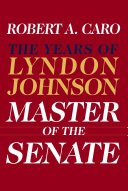
The years of Lyndon Johnson (Volumes 1-3)
The years of Lyndon Johnson (Volumes 1-3) by Robert A.
Discussed“I've been reading the Robert Caro LBJ biography and there's this bit towards the end of the first volume where LBJ is put in charge of this fundraising organization for Democrats in Congress and when you read about it he sounds like a traitor.”
Where to get it
-
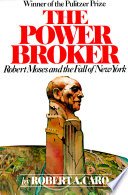
The Power Broker
The Power Broker by Robert A.
Discussed“In the last episode, we go deep into the other biography by Robert Caro, The Power Broker, and talk about why it might be inaccurate in certain respects.”
Where to get it
-
War and Peace
War and Peace by Leo Tolstoy is a sprawling Russian epic novel that chronicles elite society and military conflict during the Napoleonic era.
Discussed“There's a line from war and peace where one of the Russian aristocrats is mad that his son is joining the war and he goes, “It's that man Napoleon.”
Where to get it
-
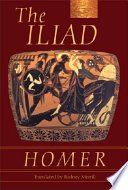
The Iliad
The Iliad by Homer is an ancient Greek epic poem detailing the events of the Trojan War and the wrath of Achilles.
Discussed“You can also go back to the Iliad and read another case where sunk cost fallacy dominated strictly rational decision making and only divine intervention could ultimately lead to a good outcome for the attacker and even then maybe not such a great outcome all things considered.”
Where to get it
-
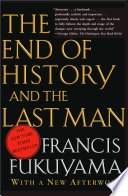
The End of History and the Last Man
The End of History and the Last Man by Francis Fukuyama is a prominent political science and philosophy book arguing that the worldwide spread of liberal democracies may signal the endpoint of humanity's sociocultural evolution.
Discussed“One thing you've written about that I find really interesting is — we're both fans of Fukuyama's book The End of History and the last quarter of that book completely contradicts the first three quarters of the book where he's just saying that these men at the end of history are pathetic last men who have no desire for recognition.”
Where to get it
-
The Economics of World War II
Discussed“I recently read a book The Economics of World War II which was comparing a bunch of countries and how their economies performed in World War II and one of the things that stood out about the U.S was that in a lot of terms of material consumption, the U.S didn't really look like a country going through a war.”
Where to get it
-
Princes of the Yen
Princes of the Yen by Richard Werner is an investigative economic book that examines the hidden mechanics of central banking policy, focusing particularly on how structural interventions influenced Japan's economy during the twentieth century.
Discussed“There's a book called Princess of the Yen which is mostly about Japanese central banking policy but it has some early bits about how the structure of Japan's economy works.”
Where to get it
-
How Asia Works
How Asia Works by Joe Studwell is a comprehensive exploration of the economic development strategies that shaped the dynamic economies of East Asia through agriculture, export-oriented manufacturing, and state intervention.
Discussed“a line from How Asia Works where they're talking about the reparations that Korea got after World War Two from Japan and how they're using that to build up their industrial capacity and there's a line from one of the line managers in the factory who goes,”
Where to get it
-
The Reckoning
David Halberstam's acclaimed historical work explores the deep economic and industrial anxieties experienced by the United States during the twentieth century, focusing particularly on the intense competition between American manufacturers and the surging rise of Japanese car exports during the nineteen-seventies and nineteen-eighties.
Discussed“There's this book called the reckoning about the US and how it dealt with the rise of Japanese exports in the 70s and 80s.”
Where to get it

Other mentions in this episode (1) — ad reads, self-promotion and passing references, never counted
“It's just the most schizophrenic and galaxy brain takes about how Machiavelli's discourses relate to Big Tech or how Soros’ theory of serial reflexivity explains hiring in finance and tech.”