Podcast
Patrick O'Shaughnessy's book list: the books mentioned on Invest Like the Best
The most mentioned books on Invest Like the Best are 7 Powers (10 episodes), Zero to One (10 episodes) and Shoe Dog (9 episodes), and the most recommended book is Shoe Dog (4 episodes). We have logged 505 books across 338 episodes from 242 people on Invest Like the Best, through November 4, 2026.
Key facts
- 505 books have been mentioned on Invest Like the Best, as of November 4, 2026.
- 338 episodes of Invest Like the Best mention at least one book, as of November 4, 2026.
- 242 people brought up a book on the show, as of November 4, 2026.
- The 3 books mentioned in the most episodes of Invest Like the Best, as of November 4, 2026: 7 Powers, Zero to One and Shoe Dog.
- The latest episode of Invest Like the Best with a book mention aired on November 4, 2026.
Updated
Books from the latest episodes

Questions about books mentioned on Invest Like the Best
What books were mentioned most on Invest Like the Best?
The most mentioned books on Invest Like the Best are 7 Powers by Hamilton Helmer (10 episodes), Zero to One by Peter Thiel and Blake Masters (10 episodes), Shoe Dog by Phil Knight (9 episodes), The Systems Bible by John Gall (9 episodes) and Moneyball by Michael Lewis (8 episodes), out of 505 books across 338 episodes, as of November 4, 2026.
What is the most recommended book on Invest Like the Best?
Shoe Dog by Phil Knight is the most recommended book on Invest Like the Best, recommended in 4 episodes and mentioned in 9 episodes in all, as of November 4, 2026.
What books were mentioned on Invest Like the Best this year?
In 2026, 30 books came up on Invest Like the Best, led by Apple in China by Patrick McGee (1 episode), Ausländer by Michael Moritz (1 episode), Crossing the Chasm by Geoffrey A. Moore (1 episode), Freedom's Forge by Arthur Herman (1 episode) and High Output Management by Andrew S. Grove (1 episode), as of November 4, 2026.
Who recommends the most books on Invest Like the Best?
Patrick O'Shaughnessy has recommended the most books on Invest Like the Best, with 82 books recommended across 85 episodes, as of November 4, 2026.
Most mentioned on Invest Like the Best
-
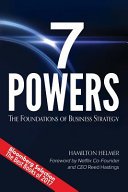
7 Powers
7 Powers by Hamilton Helmer was frequently discussed and recommended across multiple episodes of Invest Like the Best. Patrick O'Shaughnessy introduced the author as a guest and praised the book as one of the best business books in history, later referencing it in discussions with guests like Anne-Marie Peterson and Justin Fishner-Wolfson. Other guests, including Keith Rabois, Gokul Rajaram, Gustav Söderström, and Francis Davidson, recommended or cited the book as a definitive guide to strategic trade-offs, business leverage, and foundational durability in corporate models.
Discussed“Harrison Helmer has this thing called uh seven powers. And so you got to have a few of those seven powers that that basically are embedded in the business model from day one.”
Where to get it
-
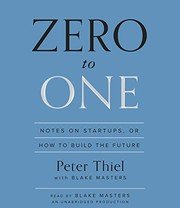
Zero to One
Peter Thiel and Blake Masters's book Zero to One was frequently discussed and recommended on Invest Like the Best. Hosts and guests praised it as a foundational text in the startup community, citing its lessons on monopolies, early breakthroughs, and unconventional founders. While most speakers lauded the book as an essential, quick read, some critics, such as Michael Mayer, preferred the original online lecture notes over the published volume.
Discussed“I heard Peter Thiel say recently, if he was to go back and rewrite any part of zero to one, he has that chapter on the four types of monopoly that he would maybe give scale its own chapter separate from the other three.”
Where to get it
-
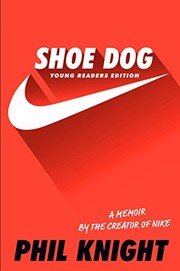
Shoe Dog
Phil Knight's Shoe Dog was frequently discussed on Invest Like the Best as a candid look at the challenges of early-stage entrepreneurship. Patrick O'Shaughnessy, Joe Mansueto, and Brian Koppelman all recommended the book for its firsthand account of building Nike, with Koppelman and Mansueto ranking it among their favorite business titles. Other guests, including Blake Hall, Niraj Shah, Will Ahmed, and Jason Zweig, cited specific lessons from Knight's memoir regarding incumbent pushback, perseverance through precarious times, and the vital distinction between giving up and quitting.
Discussed“Phil Knight talks about that in his book, Shoe Dog, where once the incumbents don't have a product or a business model response, they start to come after you to tarnish the new technology is unsafe.”
Where to get it
-
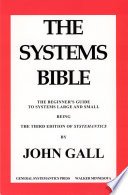
The Systems Bible
John Gall's book The Systems Bible was repeatedly referenced on Invest Like the Best. Host Patrick O'Shaughnessy and various guests recommended and discussed the book to illustrate principles of systems thinking, such as the idea that complex systems evolve from simpler ones and that systems often act primarily to preserve themselves rather than fulfill their original design.
Discussed“Have you ever read that book, The Systems Bible? I reference it all the time. I love it. Yes, I know. I ordered it. I haven't read it yet.”
Where to get it
-
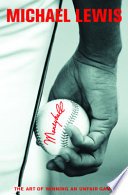
Moneyball
Michael Lewis's Moneyball was referenced across Invest Like the Best as a prime example of data-driven decision-making and non-traditional analysis. Dennis Lynch, Daryl Morey, Patrick O'Shaughnessy, Eric Vishria, and Ted Seides discussed how the book's core concepts—identifying undervalued assets and shifting from qualitative scouting to deep statistics—applied to sports analytics, quantitative investing, and market structures.
Discussed“It's not just find undervalued asset, which is famously Moneyball and written by Michael Lewis.”
Where to get it
-
Outsiders, The
On Invest Like the Best, Patrick O'Shaughnessy and Ian Cassel praised William N. Thorndike Jr.'s The Outsiders as a formative text on capital allocation and CEO performance. O'Shaughnessy highlighted the book's opening chapter on Henry Singleton and explained how he frequently used the work in his research, while other guests discussed their firsthand experiences working with Thorndike on the book during business school.
Discussed“A longtime friend and mentor, author of The Outsiders, Will Thorndike, I had the chance back in business school to spend a year with him working on a chapter of that book and thinking about what capital allocation means.”
Where to get it
-
Thinking, Fast and Slow
Daniel Kahneman's Thinking, Fast and Slow was widely recommended and cited across multiple episodes of Invest Like the Best. Guests including Michael Mauboussin, Daryl Morey, Antonio Gracias, Wes Gray, and Jason Zweig referenced the book's insights into cognitive biases, the architecture of System 1 and System 2 thinking, and the inside-outside view. Hosts and guests frequently pointed to Kahneman's work as a fundamental guide for improving decision-making and recognizing personal errors.
Recommended“But he, above all, has embodied that. And that's leaving aside, Patrick, as you pointed out, reading fast and thinking fast and slow, like all the lessons in there that people really should internalize.”
Where to get it
-
The intelligent investor
Benjamin Graham's The Intelligent Investor was frequently cited on Invest Like the Best as a foundational text for value investing. Guests such as Ben Claremont, Howard Marks, Gavin Baker, Mike Zapata, and Harvey Sawikin credited the book with shaping their careers, teaching them about market psychology, and introducing valuation principles like the weighing-machine analogy and the relationship between earnings and bond yields. Jason Zweig and Jeff Gramm also reflected on their personal involvement with and perspectives on Graham's work.
Recommended“And so it was after a few years of working in the commercial real estate business where I got handed a copy of Ben Graham's book, Intelligent Investor. And that really changed my life and it changed the trajectory of my career path.”
Where to get it
-
The Innovator's Dilemma
On Invest Like the Best, multiple guests and the host brought up Clayton Christensen's book The Innovator's Dilemma to discuss the challenges of disruption, corporate identity, and the courage required to innovate within existing markets.
Discussed“It's like innovator's dilemma. Like how do I continue to create something that my fans really feel connected to and that I feel connected to and like really respects the core identity that is me and the music and the thing that I've built.”
Where to get it
-
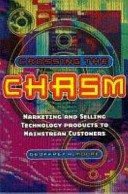
Crossing the Chasm
Geoffrey A. Moore's book Crossing the Chasm was prominently featured on Invest Like the Best. Host Patrick O'Shaughnessy and various guests, including Moore himself, cited the book as a canonical text for understanding technology adoption, market definition, and the creation of initial use cases. O'Shaughnessy and other speakers frequently recommended the work to tech founders, noting its lasting influence despite being published prior to the internet.
Recommended“So anyways, Greg goes into a cave because there's nothing else to do and uh he's reading the book Crossing the Chasm, great book that I think all founders have read. Uh but Greg's output of reading the crossing the chasm was um a 100page slide deck”
Where to get it
-
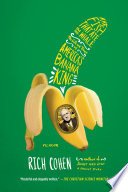
The Fish That Ate the Whale
Rich Cohen's The Fish That Ate the Whale was repeatedly recommended on Invest Like the Best as a captivating biography of banana entrepreneur Sam Zemurray. David Senra and Patrick O'Shaughnessy praised the book for its entertaining narrative and its illustration of extreme entrepreneurial agency, resourcefulness, and hustle. Brent Beshore also mentioned the book while discussing mentors and business history.
Discussed“A perfect example of this is not only is it one of the craziest stories in entrepreneurship history, but it's also one of the most fun books to read. It's called The Fish That Ate the Whale.”
Where to get it
-
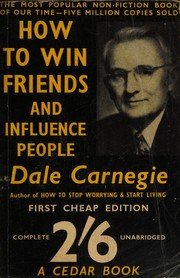
How to Win Friends and Influence People
How to Win Friends and Influence People by Dale Carnegie was discussed on Invest Like the Best across multiple episodes. Strauss Zelnick mentioned reading it after initially dismissing it as goofy, noting it changed his leadership approach at Fox. Jim O'Shaughnessy and Ted Seides also shared that they initially found it corny before finally reading and enjoying it. Ian Cassel read it repeatedly in high school to improve his speaking skills, while Patrick O'Shaughnessy praised its principles of ego reduction. Additionally, Scott Norton cited it to emphasize that building trust must precede sales.
Recommended“I see how to win friends and influence people by Dale Carnegie. And I thought, I've heard of that. That sounds so goofy and lame, but I don't know. Maybe I'll just pick it up. I read the book.”
Where to get it
-
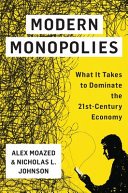
Modern Monopolies
Alex Moazed's book Modern Monopolies was featured across multiple episodes of Invest Like the Best. Host Patrick O'Shaughnessy frequently praised the work for its deep exploration of platform business models and corporate history, noting that it was one of the few books in which he had highlighted over a hundred notes. Guests and the host alike recommended the book to listeners and cited its principles when examining business strategy and the evolution of the corporation.
Recommended“My guest is Alex Moset and the book in question is Modern Monopolies which explores the platform business model. Think Uber, Airbnb, or GitHub and also explores the history of business in general. Most non-fiction books are three times too long but I wish this one had been longer.”
Where to get it
-
Finite and Infinite Games
Finite and Infinite Games by James P. Carse came up in several episodes of Invest Like the Best. Peter Fenton and Patrick O'Shaughnessy discussed the book with guests like Tobi Lütke, Jane McGonigal, Annie Duke, and Naval Ravikant. Tobi Lütke shared that the book deeply shaped his view of pursuing open-ended visions, while Jane McGonigal discussed its roots in religious studies. Patrick O'Shaughnessy and Naval Ravikant frequently used Carse's distinction between finite and infinite games to frame conversations about strategy, rules, and life philosophy.
Discussed“There was a week about three years ago where Patrick, Collison and Toby, both indirectly, actually somewhat directly in the case of Toby said, you got to go read this book, Infinite and Finite Games.”
Where to get it
-
Creativity, Inc.
Creativity, Inc. by Ed Catmull and Amy Wallace was recommended by Christopher Cole, who praised its Pixar history and its lessons on encouraging small risks. David Senra repeatedly brought up the book across multiple episodes, noting that it was the book he had highlighted most in his Readwise app. Senra used Catmull's autobiography to illustrate how rereading after studying many founders changes one's perspective and to discuss the idea that excellence requires enduring hardship and pain.
Discussed“What's surprising to me is, in a Readwise app, I can segment books by author, when's the last time I read it. What's fascinating is I segmented it by, what book has I highlighted the most? I was shocked what it was.”
Where to get it
-
Return to the Little Kingdom
Michael Moritz's Return to the Little Kingdom was referenced by David Senra on several episodes of Invest Like the Best. Senra discussed reading the updated edition of the book, which chronicles Apple's early years before Moritz became an investor. He highlighted the book's singular focus on Steve Jobs being forced out of the company he founded, only to return later to lead one of the greatest corporate runs in history.
Recommended“Mike Moritz wrote this fantastic book, The Little Kingdom. I read the updated version called The Return to the Little Kingdom. And what's fascinating about that is that's way before Mike was an investor.”
Where to get it
-
Against the Odds
On Invest Like the Best episodes from 2022 to 2025, David Senra repeatedly recommended Against the Odds by James Dyson as an essential autobiography for entrepreneurs, highlighting Dyson's fourteen-year struggle to develop his vacuum cleaner through severe financial and technical hardship.
Discussed“The reason I say, and I do this same book over and over again. So I've done an episode 25, episode 200, episode 300, and it'll be episode 400. It's James Dyson's first autobiography called Against the Odds.”
Where to get it
-
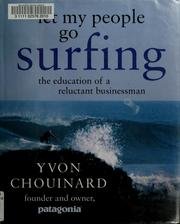
Let my people go surfing
Let My People Go Surfing by Yvon Chouinard was discussed on Invest Like the Best by Patrick O'Shaughnessy, Paul Orfalea, and Brian Koppelman. Orfalea and Koppelman praised Chouinard's integrity and leadership in building Patagonia, calling the book one of the greatest works on business. O'Shaughnessy referenced it alongside other stories of persistent entrepreneurship.
Recommended“Yvonne Chouinard is the founder of Patagonia comes most immediately to mind. I love that book of his, uh, let my people go surfing. So talk a little bit more, dig deeper on this idea”
Where to get it
-
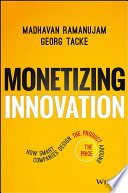
Monetizing Innovation
Monetizing Innovation by Madhavan Ramanujam and Georg Tacke was featured on Invest Like the Best. Patrick O'Shaughnessy and Rahul Vohra recommended the book for its practical approach to product pricing. Madhavan Ramanujam appeared on the show to discuss core concepts from the text, including Porsche's early pricing strategies, the thesis of pricing before product development, methods for conducting willingness-to-pay conversations, and the framework of product leaders, fillers, and killers.
Discussed“And we talk about this in the first chapter of the book. It's a story from Porsche. In the early 90s, they were actually thinking of an innovative idea.”
Where to get it
-
The Money Masters
The Money Masters by John Train came up on Invest Like the Best across several episodes, including appearances by Will Thorndike, John Rogers, and Joe Mansueto. Thorndike recalled discovering the book on a vacation after college, noting that its chapter on Warren Buffett sparked his interest in investing. Rogers described it as an early influence that highlighted great value investors like John Templeton and Ben Graham. Mansueto and Thorndike both noted how the book shaped their understanding of business and capital allocation, with Thorndike also mentioning that it first brought Henry Singleton to his attention through Buffett's description.
Discussed“And there was a book on those shelves, The Money Masters by John Train, which I pulled down and started to read in the first chapter in that book.”
Where to get it
-
Poor Charlie's Almanack
Poor Charlie's Almanack by Peter D. Kaufman was recommended on Invest Like the Best by David Salem and Brent Beshore, both of whom cited it as a formative and spectacular resource for building an investing education and shaping their thinking. Ryan Petersen referenced Kaufman's quote about mystery and margin to explain how information asymmetry creates business opportunities, and Keith Wasserman mentioned reading the book to understand the importance of compounding interest.
Discussed“One of my favorite quotes is where there's mystery, there's margin by Peter Kaufman, who's the author of poor Charlie's almanac. It's one of my favorite books.”
Where to get it
-
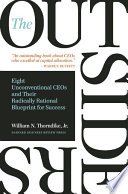
The Outsiders
The Outsiders by William N. Thorndike Jr. was discussed on Invest Like the Best by Carlos Cashman, Connor Leonard, Lauren Taylor Wolfe, and John Collison. Guests praised the book as an essential resource on capital allocation and exceptional CEO management. Lauren Taylor Wolfe mentioned regularly sending the book to corporate leaders, while John Collison reflected on how his appreciation for the book's case studies evolved as Stripe grew and faced complex capital allocation choices.
Recommended“I'm a huge fan of the book, The Outsiders. And this isn't the old story of Ponyboy and the kids in Tulsa, Oklahoma, the movie. This is The Outsiders, but the eight great CEOs.”
Where to get it
-
Range
On Invest Like the Best, Patrick O'Shaughnessy recommended David Epstein's book Range upon its release in May 2019, and the book was frequently cited by later guests such as Kareem Zaki, Sarah Friar, and Jeff Ma. David Epstein appeared on the show to discuss the value of generalist learning, exploratory research, and how individuals can apply knowledge to unfamiliar situations.
Discussed“That book by David Epstein, I think you might have even had him on a podcast. He talks through that. And these people who are multidimensional and connect worlds in different ways are able to see the exciting things”
Where to get it
-
Seeing Like a State
Seeing Like a State by James C. Scott was discussed on Invest Like the Best by Patrick O'Shaughnessy and Michael Mayer. Patrick recommended the book to guests like Tren Griffin and cited its insights into top-down versus bottom-up systems when talking with Dan Wang and Matt Huang. Michael Mayer also referenced the book to explain how the concept of legibility influenced operational planning and restocking strategies at his company, Bottomless.
Discussed“I think it was Eugene, our friend Eugene that first gave me the Seeing Like a State book by James C. got of the of just the very abstract idea that uh top- down systems just don't work as well over the very long term as bottom-up ones do.”
Where to get it
-
The Everything Store
The Everything Store by Brad Stone was discussed on Invest Like the Best by Patrick O'Shaughnessy and David Senra. Senra compared the book favorably to Amazon Unbound while discussing Jeff Bezos and the realities of running Amazon. O'Shaughnessy recommended the book alongside other business histories during a conversation with Joe Mansueto.
Discussed“That's not really saying anything. I like the everything store more than I like Amazon Unbound.”
Where to get it
-
The Lessons of History
The Lessons of History by Will and Ariel Durant came up multiple times on Invest Like the Best. David Senra brought it up while discussing human nature and the darker sides of people and governments, noting that he and Patrick shared a love for it. Patrick O'Shaughnessy cited the book as an all-time favorite in several episodes, including discussions with Sam Hinkie and Franklin Foer. Patrick highlighted its condensed wisdom on civilization, asking guests what had most impacted them and drawing on its lessons regarding how power and inequality wax and wane over time.
Discussed“You're a big fan of Will and Ariel Durant, just like I am. And like, what's the lessons of history is one of the book that we share that we both love. And they studied maybe more human behavior than-”
Where to get it
-
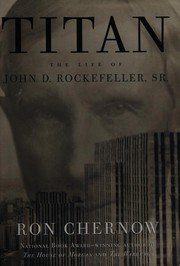
Titan
Ron Chernow's biography Titan came up on multiple episodes of Invest Like the Best. Joe Mansueto recommended the book in February 2017, praising Chernow's storytelling regarding Rockefeller. David Senra subsequently discussed the book in episodes from August 2022, March 2023, and July 2024, noting its prominence as a biography of John D. Rockefeller and explaining how he used its bibliography to track down other historical sources, specifically regarding Jay Gould.
Discussed“But I had just recently been rereading books on John D. Rockefeller. And this guy named Jay Gold pops up in Rockefeller's biography, every single one, which is really weird. Everybody's read Titan, the most famous biography of John D. Rockefeller.”
Where to get it
-
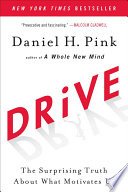
Drive
Drive by Daniel H. Pink was discussed on Invest Like the Best by Jess Lee, Jason Citron, and Brent Beshore. Lee and Beshore referenced Pink's framework of autonomy, mastery, and purpose when discussing employee motivation and corporate culture. Citron mentioned that discovering the book helped him codify his own ideas about fostering intrinsic motivation at Discord.
Discussed“i think that's the daniel pink drive framework for thinking about professional motivation or i guess just any motivation”
Where to get it
-
Pioneering Portfolio Management
Pioneering Portfolio Management by David F. Swensen was discussed on Invest Like the Best by Scott Wilson, Howard Marks, Chris Douvos, and David Salem. Wilson and Salem described reading and reviewing the book early in their careers. Marks and Douvos cited Swensen's work to illustrate key investment concepts, such as taking uncomfortably idiosyncratic positions and understanding venture capital as part of the endowment model.
Discussed“the first thing I did was went out and bought Swenson's book and read that.”
Where to get it
-
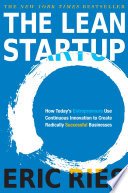
The Lean Startup
The Lean Startup by Eric Ries was discussed on Invest Like the Best by Josh Wolfe, Patrick O'Shaughnessy, Niko Canner, and Andy Rachleff. Rachleff famously described the book as the New Testament to Steve Blank's Old Testament framework. Canner and Wolfe discussed its impact on how founders approach product-market fit, while O'Shaughnessy contrasted its fast-feedback advice with alternative startup strategies.
Discussed“In a SaaS company you've got a bunch of back-end front-end software engineers where it's largely the same technical domain. So if you need to pivot segment the market changes the direction changes”
Where to get it
-
The Singularity Is Near
The Singularity Is Near by Ray Kurzweil was discussed on Invest Like the Best by Brad Jacobs, who cited Kurzweil in his own book's acknowledgments and explained its premise that technology advances at an accelerating pace. Patrick O'Shaughnessy referenced the book while asking Jacobs about the concept of the technological singularity. Christian Rudder also mentioned Kurzweil's work, noting that he kept the book on his nightstand but found it unexciting to read.
Discussed“one of the acknowledgements actually is Ray Kurzweil because Kurzweil wrote a book in I would say 2006 2006 or so called The Singularity is Near and its premise was that technology is advancing at ever increasing speeds”
Where to get it
-
The World After Capital
On Invest Like the Best, Albert Wenger joined Patrick O'Shaughnessy to discuss Wenger's book The World After Capital. O'Shaughnessy praised the book's unique living-document format and its knowledge-loop framework. Wenger explained the book's central thesis regarding digital technology, the allocation of attention, and the three freedoms necessary to transition successfully into the knowledge age.
Discussed“and that's what, in my book, I call knowledge as an artifact that can be shared over time and space that encodes something that other humans can then make sense of.”
Where to get it
-
Boyd
Robert Coram's Boyd was recommended by Patrick O'Shaughnessy across multiple episodes of Invest Like the Best in May 2017, July 2019, and August 2019. O'Shaughnessy praised the biography of fighter pilot John Boyd as a phenomenal read that explores military philosophy, career stages, and the OODA loop framework, noting its applicability to business strategy.
Recommended“So this is a, in certain circles, an incredibly popular phrase and idea from a guy named John Boyd, who if people have not read a book called Boyd about his life and kind of three-part career, I highly recommend it. It's an amazing book, but at the core of the book is this philosophy, this OODA philosophy.”
Where to get it
-
Creative Selection
Creative Selection by Ken Kocienda was recommended on Invest Like the Best by Keith Rabois, who praised it as a uniquely specific account of how Apple operates that would especially appeal to those with technology and startup backgrounds. David Senra also cited the book in later episodes to illustrate Steve Jobs's clear, decisive feedback and his central role at Apple during Kocienda's software demonstrations.
Recommended“There's a great book by Ken Kosienda called Creative Selection. He demoed to Steve Jobs, said the same thing. He goes, listen, Steve was at the center of all circles in Apple.”
Where to get it
-
Diffusion of Innovations
Diffusion of Innovations by Everett M. Rogers was recommended by Patrick O'Shaughnessy across multiple episodes of Invest Like the Best, including episodes 4, 29, and a replay featuring Peter Attia. O'Shaughnessy consistently highlighted the book as a fantastic illustration of how slowly seemingly obvious ideas, such as the historical cure for scurvy, take to gain acceptance in public consciousness.
Recommended“there's a great book called the diffusion of innovation. If no one, if people, if listeners haven't read that one, that is a fantastic book that just shows you how long it can take for something that seems obvious, whether it's curing scurvy or what have you to take hold in the public consciousness.”
Where to get it
-
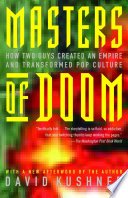
Masters of Doom
David Senra discussed Masters of Doom by David Kushner across multiple episodes of Invest Like the Best, including Replay in July 2024, the Forever Episode in March 2023, and episode 292 in August 2022. Senra referenced the book while explaining the distinction between John Romero's desire to build an empire and John Carmack's focus on making great games, using their contrasting ambitions to frame his own perspective on podcasting and audiences.
Recommended“The way I think about it is like, I read this great book called Masters of Doom, which is obviously about the video game Doom. There's John Romero and John Carmack.”
Where to get it
-
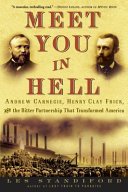
Meet You in Hell
David Senra recommended Meet You in Hell by Les Standiford on Invest Like the Best in July 2024, March 2023, and August 2022. Senra advised listeners to read the book to learn about Andrew Carnegie and Henry Clay Frick, highlighting the account of their partnership and subsequent falling-out.
Recommended“There's a fantastic book called Meet You in Hell. I recommend everybody reads if you want to learn about Andrew Carnegie and Frick. It's about what Frick told him.”
Where to get it
-
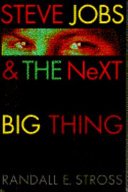
STEVE JOBS & THE NEXT BIG THING
David Senra recommended STEVE JOBS & THE NEXT BIG THING by Stross on Invest Like the Best in July 2024, March 2023, and August 2022. Senra suggested the book as a direct follow-up to The Return to the Little Kingdom, explaining that it covers the thirteen years between Steve Jobs's departure from and return to Apple.
Recommended“And then what you need to jump into right after that, there's another book called Steve Jobs and the Next Big Thing. I think it was written by Randall Strauss.”
Where to get it
-
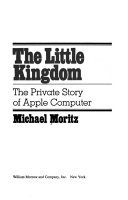
The Little Kingdom
David Senra brought up The Little Kingdom by Michael Moritz on Invest Like the Best in July 2024, March 2023, and August 2022. Senra discussed reading the updated version, The Return to the Little Kingdom, noting its coverage of Apple's early history and how it captured Steve Jobs's early company-building before the final outcome was known.
Recommended“So you mentioned Mike Moritz earlier. Mike Moritz wrote this fantastic book, The Little Kingdom. I read the updated version called The Return to the Little Kingdom.”
Where to get it
-
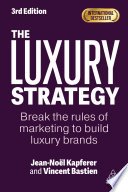
The Luxury Strategy
The Luxury Strategy by Jean-Noël Kapferer and Vincent Bastien was highlighted by Patrick O'Shaughnessy on Invest Like the Best. Patrick recommended the book across multiple episodes, pointing out its unique marketing principles. Specifically, he discussed the idea that luxury brands must maintain a wide ratio between the number of people aware of a product and those who actually own it, balance tradition with evolution, and deliberately make purchasing difficult.
Recommended“I remember reading this called luxury strategy, which I recommend anyone interested in this topic. And one of the ideas that stands out from that book is that when marketing a luxury product, you want the ratio of the number of people aware of something to those that actually have it to be as wide as possible.”
Where to get it
-
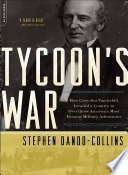
Tycoon's War
Stephen Dando-Collins's Tycoon's War was cited by David Senra on multiple episodes of Invest Like the Best. Senra used the book as the primary historical background for his podcast discussions covering Cornelius Vanderbilt and William Walker, highlighting Vanderbilt's lawbreaking tendencies and the intense conflicts surrounding his shipping routes to illustrate what made the historical tycoon entirely unique in business history.
Recommended“The reason I say he's not like anybody else, and yeah, he breaks the law, is there's a fantastic book I did a podcast on. It's called Tycoon's War.”
Where to get it
-
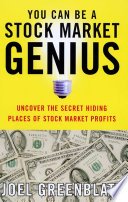
You Can Be a Stock Market Genius
On Invest Like the Best, the book was discussed across several episodes. Dan Loeb recommended it as a relevant framework for event-driven investing. Patrick O'Shaughnessy and Jeremy Giffon discussed it as a favorite investing book, noting that its featured special-situation trades typically had short holding periods rather than lasting decades.
Recommended“And the best book, which I think is still relevant today, would be Joel Greenblatt's book, the classic, You Can Be a Stock Market Genius. I think the original title was, You Can Be a Stock Market Genius Even If You're Not That Smart.”
Where to get it
-
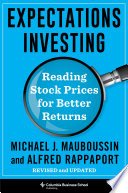
Expectations Investing
Expectations Investing by Michael J. Mauboussin and Alfred Rappaport was discussed on Invest Like the Best by Matt Smith, who used its framework to understand market expectations for energy companies, and Patrick O'Shaughnessy, who called it the first consequential investing book he read. Michael Mauboussin appeared on an episode with Patrick to discuss the book's fundamental ideas and its launch during the 1990s, while Patrick noted that many fundamental investors frequently pass the book around.
Discussed“I was just reading the latest update to Michael's book, Expectations Investing, which was so fun for me because it was actually literally the first investing book that I read that I would consider of consequence that started to shape my worldview 15 years ago.”
Where to get it
-
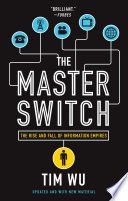
The Master Switch
Tim Wu's The Master Switch was discussed on Invest Like the Best by Alex Moazed in February and November 2017, and by John Collison in October 2023. Moazed recommended the book as background for understanding the evolution from traditional monopolies to modern platforms. Collison praised the book and highlighted its historical insights into radio networks while discussing information concentration.
Discussed“Have you read Tim Wu's book, The Master Switch? I really liked that book. And there's lots of random, I learned lots about the history of radio that I didn't know. And so it's always fun in that way.”
Where to get it
-
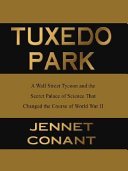
Tuxedo Park
David Senra cited Tuxedo Park by Jennet Conant on Invest Like the Best across his July 2024 Replay, March 2023 Forever Episode, and August 2022 episode 292. Senra explained that the biography introduced him to Alfred Lee Loomis and helped shape his understanding of how Loomis approached ideas and experimentation.
Discussed“And another guy called Alfred Lee Loomis. There was a biography of him called Tuxedo Park. And what Shannon and Loomis had in common is they wouldn't argue their ideas.”
Where to get it
-
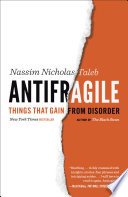
Antifragile
Antifragile by Nassim Nicholas Taleb was referenced in several episodes of Invest Like the Best. Patrick O'Shaughnessy brought up the book in episode 30 of the Founder's Field Guide to connect Thomas Tull's organizational mindset of adaptability and resilience to the book's core concepts. In episode 13, Patrick O'Shaughnessy cited Taleb's work as a popular analogy for being long convexity. Dennis Lynch also referred to the book's antifragile framework in episode 79 while discussing Bitcoin and systems that benefit from disorder.
Discussed“You think about the anti-fragile framework and the scene to lab. And, you know, I really like that. It shows the power of language to do. In that book, he talks about the fragile and what people think.”
Where to get it
-
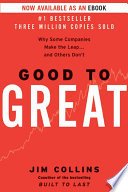
Good to Great
Jim Collins's book Good to Great was referenced across three episodes of Invest Like the Best. Mitch Rales described himself and Emily as disciples of Collins and cited Good to Great alongside Built to Last and How the Mighty Fail while explaining the ideas that informed the building of Glenstone. Blake Hall invoked the book's framework on culture and team retention to explain how businesses capture market share. Scott Davis compared the flywheel concept introduced in Good to Great with how he and his co-author modernized it in their own book.
Discussed“And then if your unit economics are good, step four is really culture. And it's the Jim Collins good to great, great team, great retention, focus, alignment, all the things that help you capture hopefully a disproportional share of the market.”
Where to get it
-
Margin of Safety
Margin of Safety by Seth Klarman came up across multiple episodes of Invest Like the Best. In episode 11, Connor Leonard described how reading the book during his first week at a fund sparked his obsession with value investing. Alex Rampell discussed the book in episode 248, comparing its out-of-print scarcity to an original NFT while talking about speculative investments. In episode 2, Patrick O'Shaughnessy read and critiqued a passage from Klarman regarding indexing.
Discussed“A lot of smart investors that I talk to, it's almost like Seth Klarman has the famous margin of safety book, which is out of print. It's like the original NFT. It's very hard to get.”
Where to get it
-
Meditations
Meditations by Marcus Aurelius came up in multiple episodes of Invest Like the Best. Josh Kushner brought it up in episode 459 to illustrate Thrive's defense against external praise and the concept of remaining the same in good and bad times. In episode 311, John Fiorentino mentioned the book while expressing admiration for individuals who combined philosophical thought with leadership and military action. Shane Parrish discussed the book in episode 17, noting how a reader's changing life can make the same text speak to them differently upon rereading.
Recommended“One of my favorite books is Meditations by Marcus Aurelius, and he has this incredible concept early on in the book about this idea of the same man.”
Where to get it
-
Sapiens
Sapiens by Yuval Noah Harari was mentioned on Invest Like the Best by Jon Stein, who recommended it as a book he recently enjoyed. Josh Wolfe referenced the book's concepts of objective and intersubjective reality to explain how money depends on shared belief. Naval Ravikant cited Harari's example of how humans used shared stories to organize and defeat Neanderthals, and Patrick O'Shaughnessy shared that the book's central concept of human storytelling provided him with personal perspective.
Discussed“you mentioned sapiens before. So if you think about – you know, you've got objective, subjective, intersubjective reality. Money doesn't really exist.”
Where to get it
-
Setting the Table
Danny Meyer's book Setting the Table was discussed on Invest Like the Best. Caryn Seidman-Becker mentioned reading the book and noted that Danny Meyer, whom she considered a hero, became an investor in Clear and influenced her decision to use his hospitality training for staff. Host Patrick O'Shaughnessy also referenced specific lines from the book during his conversations with Meyer, highlighting quotes about human nature regarding interest and the idea that the road to success is paved with mistakes well handled.
Recommended“And we hired I had read setting the table is amazing book. Danny Meyer, one of my great heroes. And he became an investor in Clear. And that was awesome. And uh so we hired Union Square Hospitality um I think it was called Hospitality Quotient to do the training of our team members in Orlando.”
Where to get it
-
Superintelligence
Superintelligence by Nick Bostrom was discussed on Invest Like the Best by Christian Rudder, who praised Bostrom's deep thinking on artificial intelligence risks and contrasted his own accessible writing with Bostrom's rigorous work. Tim Urban also brought up the book across multiple episodes, describing how reading it during his AI research filled him with awe and directly inspired him to write a blog post on the subject.
Discussed“So when I'm researching AI and I'm reading, you know, Nick Bostrom's book, super intelligence, my eyes are like wide, like physically wide as I'm reading. And I keep like putting the book down and being like, Oh my God, done.”
Where to get it
-
The Creative Act
On Invest Like the Best, Rick Rubin's The Creative Act was discussed by Josh Kushner, Chris Paik, and Patrick O'Shaughnessy. Kushner recommended the book and highlighted a chapter on rules, Paik connected the book's idea of source to his online platform research, and O'Shaughnessy explored the chapter on rules during his interview with Kushner.
Recommended“Highly recommend people go listen to it. Rick Rubin has this incredible line in his book, which is, pay attention to what you notice, but when no one else sees.”
Where to get it
-
The Structure of Scientific Revolutions
Thomas S. Kuhn's The Structure of Scientific Revolutions was mentioned on Invest Like the Best in March 2017, November 2018, and March 2021. Kanyi Maqubela brought up the book to illustrate an analogy between scientific paradigm shifts and seed investing risk. Patrick O'Shaughnessy also invoked Kuhn's ideas in conversations with Peter Attia to frame discussions around barriers to change and resistance within fields like nutrition science.
Recommended“I actually like to use the analogy of actual physics because one of my favorite books is by an author named Thomas Kuhn and it's The Structure of Scientific Revolutions and he's a scientific philosopher.”
Where to get it
-
Amazon Unbound
David Senra mentioned Amazon Unbound by Brad Stone on Invest Like the Best during the July 2024 Replay, March 2023 Forever Episode, and August 2022 episode 292. Senra shared that he had recently read Stone's book, compared it unfavorably with The Everything Store, and reflected on Jeff Bezos as a hero and the immense demands of running Amazon.
Discussed“I just read Amazon Unbound. Jeff Bezos is one of my heroes. One of the best, obviously, to ever do it. That's not really saying anything. I like the everything store more than I like Amazon Unbound.”
Where to get it
-
Dark Genius of Wall Street
David Senra referenced Dark Genius of Wall Street by Edward Renehan on Invest Like the Best in July 2024, March 2023, and August 2022. Senra mentioned that the author had sent him the biography of Jay Gould and described how the strong praise Gould received from prominent contemporaries motivated his own research.
Discussed“So the author actually sent me the book, a biography of Jay Gold, came out like 15 years ago. I think it's called like Dark Genius of Wall Street or something like that.”
Where to get it
-
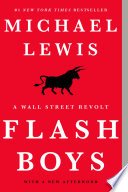
Flash Boys
Flash Boys by Michael Lewis came up on Invest Like the Best when Brad Katsuyama and Danny Moses discussed the events leading up to the book and its impact. Danny Moses described urging Michael Lewis to write about market structure after a flash crash. Brad Katsuyama noted that the book helped IEX raise money for its exchange and prompted helpful introspection, while also generating controversy and opposition from those affected. Patrick O'Shaughnessy introduced the discussion around how Brad became the subject of a famous author's spotlight, and Gerry O'Reilly noted that people on his desk had read the book.
Discussed“We ended up getting additional funding the following year in May to launch the ATS. We couldn't have launched it on 9.4 to launch the ATS, which we did. And then we ended up after, you know, when Flash Boys got written, it definitely helped us raise money.”
Where to get it
-
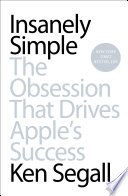
Insanely Simple
Ken Segall's book Insanely Simple was discussed by David Senra across three episodes of Invest Like the Best. Senra cited the work while describing Steve Jobs's close involvement with Apple's advertising and his interactions with the agency executive who worked alongside him. Senra used the book's comparison of Dell's marketing approach with Apple's to illustrate how Jobs demonstrated through his actions that marketing truly mattered.
Discussed“There's a guy that wrote the book called, I think it's called Insanely Simple. I think his name is Ken Siegel, if I'm, if I'm correct, if I'm correct about that. He was running, he was working, he was the ad executive”
Where to get it
-
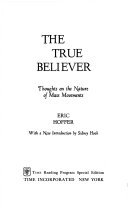
The True Believer
The True Believer by Eric Hoffer was discussed on Invest Like the Best by Patrick O'Shaughnessy and guest Lulu Meservey. Meservey mentioned Hoffer after Patrick asked about the ideas that inspired her company's narrative work, agreeing that the book effectively explains how mass political movements happen. In other episodes, Patrick brought up Hoffer's concept of a common devil or shared enemy as a galvanizing force behind mass movements and narratives.
Discussed“My co-founder recommended to me, Eric Hoffer, who has written about how mass political movements happen. True believer. Yes, true believer is very good.”
Where to get it
-
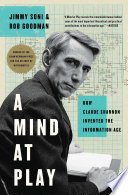
A Mind at Play
Jimmy Soni and Rob Goodman's A Mind at Play was discussed by David Senra on Invest Like the Best. On episodes 292 and during a special forever episode in 2023, Senra cited Soni's book as the source through which he discovered Claude Shannon, highlighting the work while discussing inspiration, execution, and entrepreneurial ideas alongside Alfred Lee Loomis.
Recommended“So there's two guys I discovered through the podcast. One's Claude Shannon through Jimmy Sonny's fantastic book, A Mind at Play.”
Where to get it
-
Better, Simpler Strategy
Michael Mauboussin and Gustav Söderström both recommended Felix Oberholzer-Gee's Better, Simpler Strategy on the Invest Like the Best podcast. Mauboussin praised it in 2022 as an accessible guide to the value-stick framework, and Söderström later cited it in 2025 as a useful strategy framework for Spotify.
Recommended“And also, I found Better Simpler Strategy by Felix Oberhausen to be very good.”
Where to get it
-
Dune
Dune by Frank Herbert came up on Invest Like the Best when Gavin Baker recommended science fiction works like the Culture books and Hyperion by comparing them favorably to Herbert's novel, noting that he had recently reread it ahead of a movie release. Christian Rudder also named Dune as a favorite science fiction book, praising the unique yet plausible world Frank Herbert created.
Discussed“I did recently reread Dude in advance of the movie coming out. It's the best book. God, it's awesome.”
Where to get it
-
Excellent Advice for Living
Kevin Kelly's book Excellent Advice for Living was featured on Invest Like the Best, where host Patrick O'Shaughnessy strongly recommended it to listeners in October 2025 and June 2023. During the October 2025 episode, Kelly reflected on the writing process and connected specific ideas in the text—such as rules for conversation, preserving childhood traits into adulthood, and the reward for good work—to his time at Wired and his broader philosophy of living.
Recommended“You will hear us refer to his latest book, Excellent Advice for Living, throughout, and I highly recommend reading it if you haven't already.”
Where to get it
-
Finding Your Way in a Wild New World
Martha Beck's Finding Your Way in a Wild New World was recommended by Boyd Varty on Invest Like the Best in April 2017 and March 2018. Varty described the author as his mentor and highlighted the book as a stunning description of how individuals can reconnect with their natural nature.
Recommended“I would read some of the work of my mentor Dr. Martha Beck particularly her book Finding Your Way In a Wild New World I think that's a stunning description of getting back in touch with our more natural nature”
Where to get it
-
How to Make a Few Billion Dollars
On Invest Like the Best episodes in 2023 and 2025, Patrick O'Shaughnessy and guest Brad Jacobs discussed Jacobs's book, How to Make a Few Billion Dollars. O'Shaughnessy praised the book as fantastic, while Jacobs referenced several sections during the interviews. Jacobs explained lessons from his mentor, strategies for managing mergers and acquisitions, the importance of asking employees for improvement ideas, and the framework behind running efficient meetings.
Discussed“But I'm going to add a third to that as I write in the book. Thank you for reading it. Which is when people sell a business.”
Where to get it
-
How will you measure your life?
Clayton M. Christensen's How Will You Measure Your Life? was recommended on Invest Like the Best by Ravi Gupta and a guest instructor. On episode 289, Gupta highlighted the book as an early influence on his thinking about long-term goals and recommended it to all listeners. On episode 358, a guest on the podcast noted that the book was assigned to students to help them reflect more deeply on the good life.
Recommended“In addition to Gardner's Road to Self-Renewal, we always ask our students to read Clay Christensen's, How Will You Measure Your Life? And I would highly recommend that to anybody who's interested in this fundamental question and to just going a bit deeper.”
Where to get it
-
Humankind
On the Invest Like the Best podcast, Kevin Kelly recommended Rutger Bregman's book Humankind, crediting it with changing his fundamental view of human nature. Kelly stated that the book provided compelling evidence against conventional wisdom taught in schools, specifically challenging the notion that human beings are naturally selfish and demonstrating instead that people are naturally inclined toward kindness.
Recommended“There's a great book called Humankind that changed my mind, that brought the evidence showing that our received wisdom, the thing we're taught in school, so to speak, that humans are naturally selfish”
Where to get it
-
Life and Fate
Jason Zweig recommended Life and Fate by Vasily Grossman on Invest Like the Best across multiple appearances. In September 2016, he called it an unjustly overlooked Russian novel, describing it as an amazing, brilliant, gorgeous, disturbing, and frightening book. In August 2017, he named it the best book he had read over the previous year, sharing its significance as an important experience for him and introducing its author and historical setting.
Recommended“And I don't want to make this too book centric, but this was a very important experience for me. The best book I've read over the past year, I think you both have heard me talk about it before, is an amazing novel called Life and Fate by Vasily Grossman”
Where to get it
-
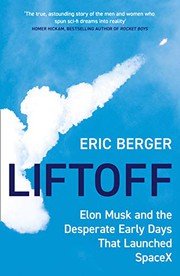
Liftoff
Eric Berger's Liftoff was recommended twice on Invest Like the Best in May 2021 by Patrick O'Shaughnessy. He brought up the book about the early days of SpaceX while speaking with Eli Dourado, who agreed that it was good, and later mentioned it again to Justin Fishner-Wolfson while discussing the early days of building and engineering in the space industry.
Recommended“I recently read, speaking of SpaceX, it's a very good book called Liftoff about the early days of building and engineering. 2008 was a long time ago that you first started getting involved with the business, fairly early days.”
Where to get it
-
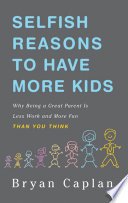
Selfish Reasons to Have More Kids
Sam Hinkie recommended Bryan Caplan's Selfish Reasons to Have More Kids on the Invest Like the Best podcast in May 2018 and June 2019. Hinkie shared that the book heavily influenced his thinking on parenting and marriage, joking about how he and his wife used a compromise inspired by the book's family size discussions. He specifically highlighted the book's use of twin studies to explore environmental and genetic influences on children.
Recommended“I was really influenced by this book that I recommend to people sometimes called Selfish Reasons to Have More Kids. So the joke, the joke in our house is I wanted two kids and my wife wanted three and we compromised on four, which is about right.”
Where to get it
-
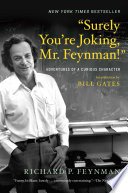
Surely You're Joking, Mr. Feynman!
Surely You're Joking, Mr. Feynman! by Richard P. Feynman was recommended on Invest Like the Best by different guests. Jason Zweig brought it up in September 2016 alongside other favorites, noting that readers could open the book to almost any page and find something wonderful. Jim O'Shaughnessy recommended it in March 2017, highlighting Feynman's problem-solving skills and describing his incisive mind and personality.
Recommended“Surely you're joking, Mr. Feynman. Feynman was the physicist who solved the Challenger problem by taking the material and putting it in a glass of ice and it disappeared.”
Where to get it
-
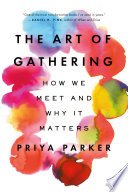
The Art of Gathering
The Art of Gathering by Priya Parker was discussed and recommended on Invest Like the Best. Patrick O'Shaughnessy frequently praised the book for combining conceptual depth with practical guidance on gathering spaces, referencing it ahead of a solitary journey and interviewing Parker herself in episode 132. During that episode, Parker shared background details about individuals featured in her work, such as George Dawes Green and Ida Benedito, and explored how thoughtful gathering design helps people navigate risk, create temporary separate worlds, and manage transitions.
Recommended“One of the guests that I've had on the show is a woman named Priya Parker, who's written about one of my favorite books of the last couple of years called The Art of Gathering.”
Where to get it
-
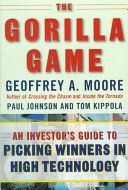
The Gorilla Game
The Gorilla Game by Geoffrey A. Moore was recommended on Invest Like the Best by Patrick O'Shaughnessy, who cited Moore's early technology writing as an inspiration and urged listeners to read the book as a minimum starting point. Moore appeared on the show to explain the core investment strategy from the book, detailing how investors should buy a portfolio of companies entering a market tornado and gradually shift capital to the emerging category gorilla.
Discussed“And so the idea behind the gorilla game was, you would see a category going into the tornado, you would buy a portfolio of companies that could win. As you saw who was winning, you would gradually exit the ones that are monkeys and chips, and put more and more money into your gorilla.”
Where to get it
-
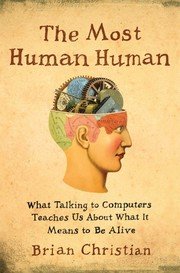
The Most Human Human
The Most Human Human by Brian Christian was discussed on Invest Like the Best during an interview with the author and in a conversation with Eugene Wei. Patrick O'Shaughnessy praised the book as a recent favorite and asked Christian to detail the Turing test competition that inspired it. Christian shared a specific chatbot example from the text regarding the capital of Romania. Eugene Wei brought up the book after discussing how to become a better conversationalist, noting that it explored what makes human conversation interesting and unique.
Recommended“My guest this week is Brian Christian, the author of two of my favorite recent books, Algorithms to Live By and The Most Human Human.”
Where to get it
-
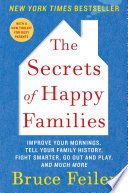
The Secrets of Happy Families
Kevin Kelly recommended Bruce Feiler's book The Secrets of Happy Families on Invest Like the Best in 2023 and 2025. He cited the book while discussing research into family identity and shared domestic practices, with the transcript occasionally rendering the author's name as Weiler.
Recommended“There's actually a good book called The Secrets of Happy Families by Bruce Feiler that's really good on this. Looking at the research that's been done on understanding the family identity.”
Where to get it
-
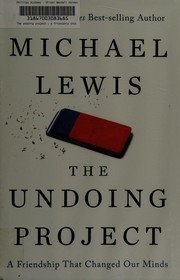
The undoing project
Karen Karniol-Tambour recommended Michael Lewis's The Undoing Project on the August 3, 2021 episode of Invest Like the Best, praising how it captures the dynamics of great work relationships through Daniel Kahneman and Amos Tversky. Leigh Drogen also brought up the book on the June 13, 2017 episode while introducing a behavioral study on decision-making, explicitly praising the work.
Recommended“I highly, highly recommend the Michael Lewis book about Kahneman and Tversky's Relationship. It is such a great book because even if you're not interested in the topic, it actually captures a lot what great work relationships are like”
Where to get it
-
100 to 1 in the Stock Market
Chuck Akre brought up Thomas William Phelps's 100 to 1 in the Stock Market on the June 18, 2019 episode of Invest Like the Best, describing it as a fundamental and inspirational text for his thinking on compound returns. Ian Cassel also mentioned the book on the February 14, 2017 episode while discussing subsequent investment literature inspired by Phelps's historical look at 100-fold gains.
Recommended“And he wrote the book called "100 to 1 in the Market" in 1972. And that was a book that to this day remains inspirational to me, fundamental to me in terms of thinking about the issue of compound return.”
Where to get it
-
Algorithms to Live By
Algorithms to Live By by Brian Christian and Tom Griffiths was featured on Invest Like the Best when Patrick O'Shaughnessy interviewed co-author Brian Christian. Patrick recommended the book enthusiastically, noting that he had suggested it to many people and highlighting its explore-exploit chapter. Christian introduced the book as an algorithmic perspective on life decisions like career paths. In another episode, Patrick also brought up the explore-exploit concept with guest Michael Mayer to discuss decision-making frameworks.
Recommended“My guest this week is Brian Christian, the author of two of my favorite recent books, Algorithms to Live By and The Most Human Human.”
Where to get it
-
Amp It Up
Frank Slootman's book Amp It Up was discussed across multiple episodes of Invest Like the Best. Patrick O'Shaughnessy praised the book as a bible that he frequently handed out to others. Later, Aravind Srinivas cited Slootman's principle that companies must earn the right to strategize through a track record of execution. Slootman himself appeared on the show to discuss several themes from the book, including his war against incrementalism, the use of the word malcontent, and the different developmental stages a company experiences from its embryonic phase onward.
Discussed“This has actually been said by this other guy called Frank Slootman as well, the Snowflake CEO. He has this whole line in his book, Amp It Up, where you only deserve the right to strategize once you have earned the track record of execution.”
Where to get it
-
Amusing Ourselves to Death
Amusing Ourselves to Death by Neil Postman was brought up by Gabriel Leydon and Eugene Wei on Invest Like the Best. Leydon mentioned the book to connect societal shifts toward gamification with the idea that Aldous Huxley's dystopian vision was more accurate than George Orwell's. Eugene Wei praised Postman's work, specifically highlighting its memorable opening pages as an exploration of how the transmission medium turns content into entertainment.
Discussed“It reminds me of that Neil Postman book, Amusing Ourselves to Death, that Huxley's version of the future was more accurate than Orwell's.”
Where to get it
-
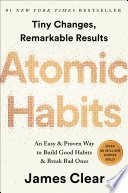
Atomic Habits
On Invest Like the Best, Balaji Srinivasan recommended Atomic Habits by James Clear in July 2021, describing it as a useful guide for teaching oneself good habits that complements Indistractable. Later, in August 2025, Joe Liemandt brought up the book while describing how a school guide used its principles of incremental 1 percent improvement to help second graders build toward running a 5K.
Discussed“She's like, "We're going to teach them atomic habits, right? The book atomic habits, which is 1% better, basically, right? And you know, most adults don't learn that till after college when they read the book."”
Where to get it
-
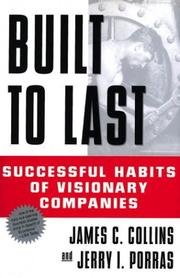
Built to Last
Jim Collins and Jerry I. Porras's Built to Last was mentioned on Invest Like the Best in February 2020 by Niko Canner, who cited Collins's account of Boeing developing the 737 as an example of customer-led innovation and strategic choice. In May 2024, Mitch Rales also brought up Collins's books, including Built to Last, describing himself and Emily as disciples of the author whose work informed their approach to building Glenstone.
Recommended“Well, Emily and I have become disciples of the author, Jim Collins, and he's written the book, Good to Great, Built to Last, How the Mighty Fail.”
Where to get it
-
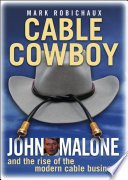
Cable Cowboy
Patrick O'Shaughnessy recommended Mark Robichaux's Cable Cowboy on the May 2, 2017 episode of Invest Like the Best, describing it as a strong summary of John Malone's career as a portfolio manager. John Collison later brought up the book on the June 16, 2020 episode while discussing the history of cable companies and their parallels with modern technology businesses.
Discussed“And it was funny, as I was reading it, when I say it, I think it was the book Cable Cowboys. Cable Cowboy, yeah. Yeah, yeah. But as I was reading this, they describe how one of the cable companies, I can't remember who, getting in a spat with the local Colorado town”
Where to get it
-
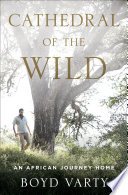
Cathedral of the Wild
Cathedral of the Wild by Boyd Varty was discussed on Invest Like the Best by the author himself and host Patrick O'Shaughnessy. Varty mentioned beginning the book while working with an editor in the United States, and recommended it as a starting point for exploring his work. O'Shaughnessy referenced the book several times to introduce discussions about childhood wilderness experiences, tracking, and an encounter with a black mamba.
Discussed“Maybe a really fun place to start would be, there's a story in your book about an experience with your dad with a black mamba.”
Where to get it
-
Chip War
On Invest Like the Best, Patrick O'Shaughnessy praised Chip War by Chris Miller, encouraging listeners interested in semiconductor history to read it. Later, in an episode featuring Shyam Sankar, Shyam referenced the book while discussing the history of microelectronics manufacturing. He noted that the shift of manufacturing to Southeast Asia occurred partly to foster international economic development and global stability.
Discussed“Microelectronics moved to Southeast Asia, as Apple China documents and Chip Wars documents, because we helped move it there. Yes, we got cheaper goods in return, but the economic development of these countries, their flourishing, in order to create global stability was part of the calculus.”
Where to get it
-
Contrarian Investment Strategies
Contrarian Investment Strategies by David Dreman was featured on Invest Like the Best. In episode 2, Patrick O'Shaughnessy recalled reading the book early in his career and stated that he still loved it. In episode 26, O'Shaughnessy told guest John Rogers that Dreman's book had rewired his thinking, prompting Rogers to discuss how Dreman's consistent and independent contrarian ideas had similarly influenced his own investment approach.
Discussed“I always tell people that the first book I read that really just rewired my brain was David Dreeman's Contrarian Investment Strategies. And I'm curious if there was something similar for you in the early days”
Where to get it
-
Dear Chairman
Jeff Gramm's Dear Chairman was highlighted on Invest Like the Best as a key text on the history of shareholder activism. Patrick O'Shaughnessy recommended the book to listeners and featured Gramm as a guest in September 2016 to discuss boardroom battles. During the episode, Gramm referenced several historical figures and case studies covered in his work, including Ben Graham, Warren Buffett, Carl Icahn, Boone Pickens, and Dan Loeb's activist letters.
Recommended“His name was Jeff Graham. He wrote a book. Actually, if you're looking for great source material, it's a book called Dear Chairman about the history of Dan Loeb's featured pretty prominently in it. Right, the letters? Yeah, the activist letters to- Right, I'll read it. To CEOs. It's a fantastic book. He's a great writer.”
Where to get it
-
Factfulness
In November 2019 on Invest Like the Best, George Rzepecki recommended Factfulness by Hans Rosling, Ola Rosling, and Anna Rosling Rönnlund as a book that opens readers' minds to global progress. In April 2020, Manny Stotz referenced Hans Rosling's ideas from the book while discussing the economic opportunities created by countries emerging from poverty.
Discussed“I think of, again, of Bill Gates and sort of the Hans Rossling factfulness idea of countries emerging from poverty or very low per capita income or GDP and the sort of opportunity that creates in these consumer businesses.”
Where to get it
-
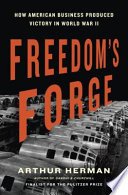
Freedom's Forge
Arthur Herman's Freedom's Forge was discussed on Invest Like the Best as a notable account of American industrial mobilization during World War II. On episode 258, Josh Wolfe shared that two respected peers had independently sent him the book after he discussed Hadrian. Later, on episode 458, Darren Farber brought up the book as a popular and widely praised account of how the U.S. industrial base retooled to arm the nation.
Recommended“A very popular book these days cuz and justifiably so, it's a great book is Freedom's Forge about the mobilization around World War II and the story of how our industrial base moved so fast to arm, you know, companies retooling themselves.”
Where to get it
-
Guns, Germs and Steel
Guns, Germs and Steel by Jared Diamond came up on Invest Like the Best in different contexts. Jon Stein mentioned the book in November 2016 as a work that helped inform what he had learned elsewhere. Later, in September 2019, Albert Wenger cited Diamond's work as a source of historical examples illustrating how civilizations rise high only to fall far, using it to argue that human history offers an discouraging guide for the future.
Discussed“I mean, human history is full of civilizations that rose very high, only to fall very far, whether you want to go to the Yucatan, Easter Islands. I mean, Guns, German, Steel is full of examples of this, right? So, I think if you look at human history as a guide, it's actually not very encouraging.”
Where to get it
-
Legacy
Antonio Gracias brought up Legacy by James Kerr on Invest Like the Best while describing how a CEO built culture in a distributed workforce, and recommended it to listeners. In a later episode, Will England discussed the book while explaining what he had learned from the All Blacks and why Walleye was working with James Kerr on company culture.
Discussed“So this book, it's called Legacy by another name, James Kerr. James embedded himself within the All Blacks. The New Zealand rugby team, arguably one of the most successful sports franchises. Teams ever.”
Where to get it
-
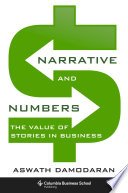
Narrative and Numbers
Patrick O'Shaughnessy discussed Aswath Damodaran's Narrative and Numbers on two episodes of Invest Like the Best. On May 16, 2017, he cited the book to connect narrative analysis to the inside view and quantitative numbers to the outside view. On May 31, 2022, he recommended the book to listeners, noting the significant personal impact it had on him.
Recommended“I'll definitely point people specifically to Narrative in Numbers being a book among your many books that really had an impact on me.”
Where to get it
-
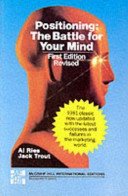
Positioning
Al Ries and Jack Trout's Positioning was discussed on Invest Like the Best in October 2020 by Rahul Vohra, who credited Ariel Jackson with recommending it and heartily endorsed it to listeners while describing how Superhuman developed its market position. In July 2021, Patrick O'Shaughnessy also mentioned the marketing book, noting that it had influenced his direction after he took over his business.
Discussed“One was Positioning, a book about marketing. Another was this amazing video called Inventing on Principle by a program named Brett Victor.”
Where to get it
-
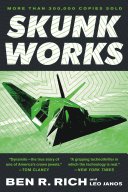
Skunk Works
On Invest Like the Best, Patrick O'Shaughnessy and Trae Stephens discussed Skunk Works by Leo Janos and Ben R. Rich in March 2023. O'Shaughnessy recommended it as literature on defense innovation, while Stephens praised it as essential reading for anyone interested in aviation and defense. Earlier, in June 2021, Marc Andreessen brought up the book while comparing its lightweight approach to larger engineering projects.
Recommended“or go read Skunk Works. There's lots of literature out there about a golden era of the defense primes.”
Where to get it
-
Superforecasting
Superforecasting by Philip E. Tetlock and Dan Gardner came up on Invest Like the Best through Dan Rasmussen and Daryl Morey. Rasmussen noted Tetlock's influence on forecasting research, referencing the superforecaster study to explain how forecasters make qualitative adjustments after reviewing base rates. Daryl Morey also brought up the book while discussing the Good Judgment Project and ways to assess judgment and forecasting accuracy over time using Brier scores.
Discussed“The good judgment project is interesting. Super forecasting. I don't know if you've talked to Tetlock. Yeah. But the use of Breyer scores and things like that give you a good sense over time.”
Where to get it
-
TAPE SUCKS: Inside Data Domain, A Silicon Valley Growth Story
Frank Slootman's book, TAPE SUCKS: Inside Data Domain, A Silicon Valley Growth Story, came up on Invest Like the Best through Brad Gerstner and Patrick O'Shaughnessy. On October 27, 2020, Gerstner recommended the book as an interesting and different read while discussing Slootman's leadership style. On February 22, 2022, O'Shaughnessy mentioned that reading Tape Sucks early in his career served as an initial introduction to Slootman's thinking and work.
Discussed“I think I first came across your thinking and your work reading tape sucks very early in my career and loved some of the lessons from there.”
Where to get it
-
Technological Revolutions and Financial Capital
Chris Dixon recommended Carlota Perez's Technological Revolutions and Financial Capital on the December 26, 2017 episode of Invest Like the Best, highlighting its history of financial cycles. Later, on the July 11, 2017 episode, Jerry Neumann brought up the same book, explaining how reading it challenged his assumptions as a venture capitalist regarding the shift from financial capitalism to production capital.
Recommended“It's a fascinating book and it's, and I highly recommend it. People haven't read it. It's history of financial cycles.”
Where to get it
-
The Devil's Financial Dictionary
The Devil's Financial Dictionary by Jason Zweig was praised on Invest Like the Best by Patrick O'Shaughnessy, who recommended it as his favorite of Zweig's books and advised listeners to purchase the physical print edition rather than reading it digitally. Jason Zweig also appeared on the podcast and referenced definitions from the book to discuss the true nature of risk and the gaps in investor knowledge.
Discussed“And in my dictionary, in the Devil's Financial Dictionary, when I define risk, I say, in the end, risk is the gap between what investors think they know and what they end up learning about their investments, about the financial markets, and about themselves.”
Where to get it
-
The Financier
Brian Koppelman strongly recommended Theodore Dreiser's The Financier on the January 24, 2017 episode of Invest Like the Best, calling it a demanding yet rewarding book about American business that informed his work on Billions. Patrick O'Shaughnessy also brought up the novel on the February 7, 2017 episode, sharing a story he had recently read from it about arbitrage.
Discussed“It reminds me of a little story I was reading yesterday on the flight here to Chicago, a novel called The Finance Here, which is a fascinating book.”
Where to get it
-
The Four Steps to the Epiphany
Steve Blank's The Four Steps to the Epiphany was discussed on Invest Like the Best in June 2017 and January 2025. Blake Hall credited David Tisch with recommending the book to help him understand company building, while Patrick O'Shaughnessy asked about its most valuable lessons. Additionally, Andy Rachleff brought up the book to explain product-market fit and the origin of Blank's teaching notes.
Recommended“And he pointed me to this book, Steve Blank, Four Steps to the Epiphany. He said, you really need to read this book to understand how to build a company. And it's wonderful.”
Where to get it

The next 300 books mentioned on Invest Like the Best, ranked
- The Goal by Eliyahu M. Goldratt, Jeff Cox
- The Hard Thing About Hard Things by Ben Horowitz
- The Hero with a Thousand Faces by Joseph Campbell
- The Hundred-Year Marathon by Michael Pillsbury
- The Innovation Stack by Jim McKelvey
- The Metaverse by Matthew Ball
- The Misbehavior of Markets by Benoit Mandelbrot
- The Ride of a Lifetime by Robert Iger
- The Selfish Gene by Richard Dawkins
- The Snowball by Alice Schroeder
- Think and Grow Rich by Napoleon Hill
- Zen and the Art of Motorcycle Maintenance by Robert M. Pirsig
- A Game of Thrones by George R. R. Martin
- Anna Karenina by Leo Tolstoy
- Buffett: the Making of an American Capitalist by Roger Lowenstein
- Caesar and Christ by Will Durant
- Coach Wooden's Pyramid of Success by John Wooden
- Complexity by M. Mitchell Waldrop
- Disneyland by Tim O'Day
- Empire of the Summer Moon by S. C. Gwynne
- Ender's Game by Orson Scott Card
- Essentialism by Greg McKeown
- Getting to Yes by Roger Fisher
- Good calories, bad calories by Gary Taubes
- I Love Capitalism! by Ken Langone
- Liar's Poker by Michael Lewis
- Means of Ascent by Robert A. Caro
- Ogilvy on Advertising by David Ogilvy
- On Liberty by John Stuart Mill
- One Up On Wall Street by Peter Lynch
- Open by Andre Agassi
- Ready Player One by Ernest Cline
- Runnin' Down a Dream by Bill Gurley
- Security Analysis: The Classic 1934 Edition by Benjamin Graham
- Skin in the Game by Nassim Nicholas Taleb
- Snow Crash by Neal Stephenson
- The Andromeda Strain by Michael Crichton
- The big short by Michael Lewis
- The Diamond Age by Neal Stephenson
- The Mythical Man-Month by Frederick P. Brooks Jr.
- The passage of power by Robert A. Caro
- The Sovereign Individual by James Dale Davidson
- The talent code by Daniel Coyle
- Thinking in Bets by Annie Duke
- What Technology Wants by Kevin Kelly
- What Works on Wall Street by James P. O'Shaughnessy
- 10 to 25 by David Yeager
- A Guide to the Good Life by William B Irvine
- A Wizard of Earthsea by Ursula K. Le Guin
- Adaptive Markets by Andrew W. Lo
- Adventures of a Bystander by Peter Drucker
- Alchemy by Rory Sutherland
- Apple in China by Patrick McGee
- Ausländer by Michael Moritz
- Barbarians at the Gate by Bryan Burrough, John Helyar
- Behind the Beautiful Forevers by Katherine Boo
- Big Data Baseball by Travis Sawchik
- Blood for blood by Ryan Graudin
- Brotopia by Emily Chang
- Catastrophic Care by David Goldhill
- Catching the Big Fish by David Lynch
- Certain to Win by Chet Richards
- Churchill by Paul Johnson
- Cloud Atlas by David Stephen Mitchell
- Command and Control by Eric Schlosser
- CRISPR by Rodolphe Barrangou
- Cryptoassets: The Innovative Investor's Guide to Bitcoin and Beyond by Chris Burniske
- Darwin's dangerous idea by Daniel C. Dennett
- Dataclysm by Christian Rudder
- Deep Thinking by Garry Kasparov
- Deep Work by Cal Newport
- Die with Zero by Bill Perkins
- Don't Sleep, There Are Snakes: Life and Language in the Amazonian Jungle by Daniel Everett
- Double Your Profits by Bob Fifer
- Dr. Tatiana's sex advice to all creation by Olivia Judson
- Eating Animals by Jonathan Safran Foer
- EBoys by Randall E. Stross
- Eunoia by Christian Bk
- Expert Political Judgment by Philip E. Tetlock
- Fearless by Eric Blehm
- Flow by Mihaly Csikszentmihalyi
- Funk by Luke Stuart
- Getting There by Cynthia Lee A. Pemberton
- Grit by Angela Duckworth
- H Is for Hawk by Helen Macdonald
- HBR Guide to Buying a Small Business by Richard S. Ruback
- High Growth Handbook by Elad Gil
- High Output Management by Andrew S. Grove
- House of Huawei by Eva Dou
- How Elon Reeve Musk Became the Richest by Ashley Steve Moore
- How Non-Conformists Move the World by Adam Grant
- How the Mighty Fall by Jim Collins
- How to Lead by David M. Rubenstein
- Hyperion by Dan Simmons
- Impro by Keith Johnstone
- In the Company of Giants by Rama Dev Jager
- Indistractable by Nir Eyal
- Into Thin Air by Jon Krakauer
- Jesus by Paul Johnson
- John D. by David Freeman Hawke
- Jonathan Livingston Seagull by Richard Bach
- Lessons from the Titans by Scott Davis
- Look Who's Back by Timur Vermes
- Making Sense of God by Timothy J. Keller
- Market wizards by Jack D. Schwager
- Mistakes Were Made (but Not by Me) by Carol Tavris
- Money by Tony Robbins
- Mountains Beyond Mountains by Tracy Kidder
- On Writing Well by William Zinsser
- One Up by Joost van Dreunen
- One Up - Creativity, Competition, and the Global Business of Video Games by Joost van Dreunen
- Only Yesterday by Frederick Lewis Allen
- Outlive by Peter Attia
- Peak Performance by Brad Stulberg
- Power and Prediction by Ajay Agrawal
- Predictably Irrational by Dan Ariely
- Principles by Ray Dalio
- Private Equity Deals by Ted Seides
- Quality Investing by Lawrence A. Cunningham
- Reinventing the Bazaar by John McMillan
- Reminiscences of a Stock Operator by Edwin Lefèvre
- Sam Walton, Made in America by Sam Walton
- Scientific Advertising by Claude Hopkins
- Since Yesterday by Frederick Lewis Allen
- Social Chemistry by Marissa King
- Softwar by Matthew Symonds
- Station Eleven by Emily St. John Mandel
- Super Founders by Ali Tamaseb
- Talent by Tyler Cowen
- Tao Te Ching by Lao Tzu
- Ten Global Trends Every Smart Person Should Know by Ronald Bailey, Marian L. Tupy
- The (Honest) Truth about Dishonesty by Dan Ariely
- The 15 Commitments of Conscious Leadership by Diana Chapman
- The Absent Superpower by Peter Zeihan
- The Accidental Superpower by Mr. Peter Zeihan
- The Accounting Game by Darrell Mullis
- The Age of Miracles by Karen Thompson Walker
- The Arc of Boxing by Mike Silver
- The Art of Not Being Governed by James C. Scott
- The Artist's Way by Julia Cameron
- The Big Change by Frederick Lewis Allen
- The Body Keeps the Score by Bessel van der Kolk
- The Book of Joy by Dalai Lama
- The Caesars Palace Coup by Sujeet Indap
- The Chief Works of Benedict de Spinoza Translated from the Latin with an Introduction, by R. H. M. Ehves. Vol. I. Introduction, Tractatus Theologico-politicus, Tractatus Politicus by Baruch Spinoza
- The Civil War: A Narrative by Shelby Foote
- The Cold Start Problem by Andrew Chen
- The Comfort Crisis by Michael Easter
- The Company by John Micklethwait
- The Complete Plays of T. S. Eliot by T. S. Eliot
- The Complete Poems and Plays of T. S. Eliot by T. S. Eliot
- The Daily Drucker by Peter Drucker
- The End of Theory by Richard Bookstaber
- The Essays of Michel de Montaigne by Michel de Montaigne
- The Ethical Algorithm by Michael Kearns, Aaron Roth
- The First Tycoon by T.J. Stiles
- The Fountainhead by Ayn Rand
- The Futurist by Rebecca Keegan
- The genius of birds by Jennifer Ackerman
- The Heart and Science of Yoga by Leonard T. Perlmutter
- The Luck Factor by Richard Wiseman
- The Millionaire Real Estate Agent by Gary Keller
- The Money Game by George J. W. Goodman
- The most important thing by Howard Marks
- The Nature of the Firm by Ronald Harry Coase
- The Nature of Value by Nick Gogerty
- The Origin of Consciousness in the Breakdown of the Bicameral Mind by Julian Jaynes
- The Outsiders by S. E Hinton
- The Perfect Store by Adam Cohen
- The Predators' Ball by Connie Bruck
- The Price of Time by Edward Chancellor
- The Prize by Daniel Yergin
- The Quest by Daniel Yergin
- The Road to Character by David Brooks
- The Robert Collier Letter Book by Robert Collier
- The Shareholder Value Myth by Lynn Stout
- The Silent Boy by Lois Lowry
- The Startup Game by William H. Draper
- The Three-Body Problem by Cixin Liu
- The UltraMind Solution by Mark Hyman
- The Uncertainty Mindset by Vaughn Tan
- The Upside of Stress: Why Stress is Good for You (and How to Get Good at it) by Kelly McGonigal
- The Visual Display of Quantitative Information by Edward R. Tufte
- The Warburgs by Ron Chernow
- The WEIRDest People in the World by Joseph Henrich
- Tools of Titans by Timothy Ferriss
- Triumph of the Optimists by Elroy Dimson
- Unreasonable Hospitality by Will Guidara
- Walden by Henry David Thoreau
- What Do YOU Care what Other People Think? by Richard Phillips Feynman
- What's Our Problem? by Tim Urban
- When Breath Becomes Air by Paul Kalanithi
- When Genius Failed by Roger Lowenstein
- Who Controls the Internet? by Jack Goldsmith
- Why Greatness Cannot Be Planned by Kenneth O. Stanley
- Working Backwards by Colin Bryar
- Young China by Zak Dychtwald
- 10% Happier by Dan Harris
- A Man for All Markets by Edward O. Thorp
- A Random Walk Down Wall Street by Burton Gordon Malkiel
- A Theory for Practice by Bill Hubbard (Jr.)
- A True Account of the Captivity of Thomas Phelps, at Machaness in Barbary, and of His Strange Escape in Company of Edmund Baxter and Others, as Also of the Burning Two of the Greatest Pirat-ships Belonging to that Kingdom, in the River of Mamora by Thomas Phelps
- Against the gods by Peter L. Bernstein
- AI by Roman V. Yampolskiy
- Alexander Hamilton by Ron Chernow
- Arnold by Arnold Schwarzenegger
- Atlas Shrugged by Ayn Rand
- Awaken The Giant Within by Tony Robbins
- Beat the Dealer by Edward O. Thorp
- Bitcoin, a Peer-to-peer Electronic Cash System by Satoshi Nakamoto
- Blink by Malcolm Gladwell
- Born to Run by Bruce Springsteen
- Bowling Alone by Robert D. Putnam
- Brave New World by Aldous Huxley
- Breaking History by Jared Kushner
- Breakneck by Dan Wang
- Bringing Down the House by Ben Mezrich
- Capital Ideas by Peter L. Bernstein
- Capital Returns by Edward Chancellor
- Capitalism in America by Alan Greenspan
- Capitalism without Capital by Jonathan Haskel
- Choose Your Own Adventure - Ghost Hunter by Edward Packard
- Common Stocks and Uncommon Profits and Other Writings by Philip A. Fisher
- Competing Against Luck by Clayton M. Christensen
- Competitive Strategy by Michael E. Porter
- Creating Shareholder Value by Alfred Rappaport
- Creating the 20th century by Ara Güler
- Cuisine and Empire by Rachel Laudan
- Dangerous Liaisons by Pierre Choderlos de Laclos
- Daring Greatly by Brené Brown
- Dave Ramsey's Complete Guide to Money by Dave Ramsey
- Democracy - the God That Failed by Hans-Hermann Hoppe
- Disney's Land by Richard Snow
- Distilled by Charles Bronfman
- Disunited Nations by Peter Zeihan
- Eleven Rings by Phil Jackson
- Elon Musk by Walter Isaacson
- Energy by Vaclav Smil
- F'd Companies by Philip J. Kaplan
- Fear Street - Sunburn by Robert Lawrence Stine
- Fire & Blood by George R. R. Martin
- Fooling Some of the People All of the Time by David Einhorn
- Founder vs Investor by Elizabeth Joy Zalman
- Geopolitical Alpha by Marko Papic
- Getting Things Done by David Allen
- Ghost Fleet by P. W. Singer
- Gilgamesh by John R. Maier
- God by Walter Marshall Horton
- God and Gold by Walter Russell Mead
- Gold Wars by Ferdinand Lips
- Harrison's Principles of Internal Medicine by Tinsley R. Harrison
- Harry Potter by Unknown
- Hit Makers by Derek Thompson
- How Brands Grow by Jenni Romaniuk
- How to Change Your Mind by Michael Pollan
- How to Invest by David M. Rubenstein
- How to Know a Person by David Brooks
- How To Make People Like You: Read People Like A Book, Master Small Talk, Develop Influence and Charisma, to Learn How to Talk to Anyone, Win Friends and Build Meaningful Relationships. by Sebastian Clark
- How we got to now by Steven Johnson
- Influence by Robert B. Cialdini
- Inside the Tornado by Geoffrey A. Moore
- Invisible Billionaire by Gong ZiGeEr
- It Was a Very Good Year by Martin S. Fridson
- Jurassic Park by Michael Crichton
- Lead the Field by Earl Nightingale
- Leadership and Self-Deception by The Arbinger Institute
- Leading by Alex Ferguson
- Letters to a Young Poet by Rainer Maria Rilke
- Life after television by George Gilder
- Limits to Growth by Donella Meadows
- Little Black Stretchy Pants by Chip Wilson
- Long Tail by Chris Anderson
- Long Walk to Freedom by Nelson Mandela
- Lords of Finance by Liaquat Ahamed
- Making Ideas Happen by Scott Belsky
- Man's Search for Meaning by Viktor E. Frankl
- Manifesto for a Moral Revolution by Jacqueline Novogratz
- Mastery by Robert Greene
- Maximum Achievement by Brian Tracy
- Nature of Investing by Katherine Collins
- Netflixed by Gina Keating
- Networks of Power by Thomas Parke Hughes
- Neuromancer by William Gibson
- Never Eat Alone by Keith Ferrazzi
- Next Whole Earth Catalog by Stewart Brand
- No Rules Rules: Netflix and the culture of reinvention by Reed Hastings
- Nostalgia for the Absolute by George Steiner
- Nutella World by Gigi Padovani
- Obvious Adams by Robert R. Updegraff
- One, Two, Three-- Infinity by George Gamow
- Only the Paranoid Survive by Andrew Grove
- Pappyland by Wright Thompson
- Pattern Recognition by William Gibson
- Peak by Anders Ericsson
- Play Nice but Win by Michael Dell
- Powerhouse by James A. Miller
- Prediction Machines by Ajay Agrawal
- Prey by Michael Crichton
- Pride and Prejudice by Jane Austen
- Python by Mark Lutz
Podcasts with similar reading lists
Guests who recommended books
- David Senra (89)
- Michael Mauboussin (18)
- David Epstein (18)
- Kevin Kelly (17)
- Madhavan Ramanujam (16)
- Peter Attia (14)
- Albert Wenger (14)
- Robert Greene (13)
- Jeff Gramm (13)
- Jerry Neumann (12)
- Jason Zweig (12)
- Jim O'Shaughnessy (12)
- Christian Rudder (12)
- Brad Jacobs (11)
- Brian Koppelman (11)
- Bill Gurley (10)
- Scott Davis (10)
- Zack Kanter (10)
- Alex Moazed (10)
- Gavin Baker (9)
- Joe Mansueto (9)
- Sam Hinkie (8)
- Bethany McLean (8)
- Geoffrey Moore (7)
- Saifedean Ammous (7)
- Brent Beshore (7)
- Ian Cassel (7)
- Gustav Söderström (6)
- Tobi Lütke (6)
- Tim Ferriss (6)
- John Collison (6)
- Carl Kawaja (6)
- Josh Wolfe (6)
- Danny Moses (6)
- Dan Egan (6)
- Dan Loeb (5)
- Daryl Morey (5)
- Rob Wertheimer (5)
- Avi Goldfarb (5)
- Dennis Lynch (5)
Latest mentions
“But the takeaway for those that are listening is that this comes from, I think, Fred Brooks, right under like the 70s, which is basically like you had these software projects and you wanted to get them out faster. So they would throw more people out and then they would go slower.”
“And that used to be this, I like this idea of the dictator's dilemma, that as someone gets more powerful at the top of an organization, it's harder for them to know what is real and what is true.”
“When I was reading your book, one of the lines or the ideas that has really stuck with me ever since is where does one person end and the next person begin?”
“And I learned a lot of that, actually, from the way that I did this book maybe 10 or 11 years ago with a famous soccer manager. I was just going to ask about Alex Ferguson.”
“In God and gold, one of my books, I say that you could sum up the last 300 years of modern history in 10 letters, UP, United Provinces, to UK, to US.”
“In God and gold, one of my books, I say that you could sum up the last 300 years of modern history in 10 letters, UP, United Provinces, to UK, to US.”
“Special Providence came out right around the time of 9-1-1. And people at that time weren't really aware that there was anything but Hamilton and Wilson.”
“If you read like Pride and Prejudice, they're talking about how wealthy all the men are.”
“The system we use is right out of common stocks and uncommon profits, which was written by Philip Fisher in the 1950s. And it's the scuttlebutt approach. It's growth investing.”
“And the best book, which I think is still relevant today, would be Joel Greenblatt's book, the classic, You Can Be a Stock Market Genius. I think the original title was, You Can Be a Stock Market Genius Even If You're Not That Smart.”
“And if I would suggest a couple of books, I'm sure people have mentioned them. I think you may have even interviewed some of the people who wrote them. Probably the two most consequential books that I read that had the most influence on me in that area. One would be The Outsiders.”
“The most influential and eye-opening book to me was this book, Quality Investing by Cunningham. And that, I think, really lays out the idea of super high-quality businesses with good moats and high return on capital and that you might want to own for many, many years.”
“And Brad Gerstner talks about this book, Essentialism. And I think we also have to adopt this idea of essentialism because you can't do it all. You have to figure out the things that are most important and most relevant to what you do.”
“There's so much wisdom in books for investing. One of my favorite books, Reminiscences of a Stock Operator, quotes, I think it's from Ecclesiastes, which says, there's nothing new under the sun. And the question is, will AI take human nature and the flaws in human emotion out of the investment process?”
“A very popular book these days cuz and justifiably so, it's a great book is Freedom's Forge about the mobilization around World War II and the story of how our industrial base moved so fast to arm, you know, companies retooling themselves.”
“It comes from um there's a book that a lot of people in Silicon Valley recommend. the score takes care of itself. Bill Walsh, the coach of the San Francisco 49ers”
“There's this amazing Michael Crichton novel called Prey, where it seems like for a given problem, there may be an optimal or set of optimal shapes of the robot to perform the task.”
“The other example I'll give you from Patrick McGee's book, Apple in China, is that great book. People love to say something like, well, we don't have the machine tools engineers in America.”
“Microelectronics moved to Southeast Asia, as Apple China documents and Chip Wars documents, because we helped move it there. Yes, we got cheaper goods in return, but the economic development of these countries, their flourishing, in order to create global stability was part of the calculus.”
“One of my favorite books is Meditations by Marcus Aurelius, and he has this incredible concept early on in the book about this idea of the same man.”
Episodes
Link to this list from your show notes
Host or produce Invest Like the Best? Give your listeners every book mentioned on the show, with the episode it came up in. New episodes are added as they come out.