
Episode · People I (Mostly) Admire · 2022-12-24
Steve Levitt & Stephen Dubner: books mentioned on People I (Mostly) Admire #95
The One Thing Stephen Dubner Hasn't Quit | People I (Mostly) Admire | Episode 95
Steve Levitt discussed Freakonomics by Steven D. Levitt and others, Moneyball by Michael Lewis, and Superfreakonomics by Steven D. Levitt and others.
Books mentioned, in the order they came up
-
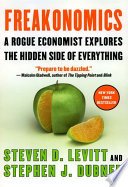
Freakonomics
Discussed“especially in first book for economics because we talked through a lot of that before”
Where to get it
-
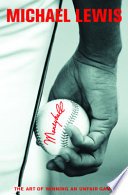
Moneyball
Discussed“we were talking about Moneyball it's the 20th anniversary of Moneyball”
Where to get it
-
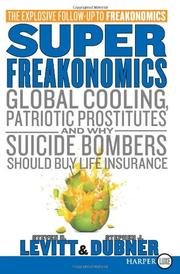
Superfreakonomics
Discussed“Have you ever gone back and read just chunks of Freakonomics or Super Freakonomics?”
Where to get it
Other mentions in this episode (7) — ad reads, self-promotion and passing references, never counted
Plugged Freakonomics
“You no doubt know Stephen as the co-author of the Freakonomics books and the creator and host of Freakonomics Radio.”
Plugged Freakonomics
“I think you're selling yourself short on how much you participate, especially in the first book Freakonomics because we talked through a lot of that before I would write—sometimes in person, sometimes on the phone—and I always took a lot of notes.”
Plugged Freakonomics
“This was like the beginning of our starting to write Freakonomics in your office.”
Plugged Freakonomics
“So anyway, this night of the World Series game, sleeping on the couch in your house, and I was up pretty late for the game, and then I couldn't sleep because I wasn't feeling well; I just stayed up all night, and I wrote a version of what's the opening, the intro, the prelude of Freakonomics.”
Plugged Freakonomics
“My single favorite story about us is what happened when it came time to negotiate how we'd split the payments over Freakonomics because we had gotten this big advance to write a book together, but we'd never actually talked about who would get what share.”
Plugged Freakonomics
“Because we got offered a bunch of money to write the book that would become Freakonomics, right?”
Passing Freakonomics
“Love it, and this conversation with Stephen Dubner, after this short break, they'll return to talk about what would have happened if they'd never written Freakonomics.”