
Episode · Huberman Lab · 2024-06-03
Books mentioned on How to Navigate Menopause & Perimenopause for Maximum Health & Vitality | Dr. Mary Claire Haver
In this episode, my guest is Dr. Mary Claire Haver, M.
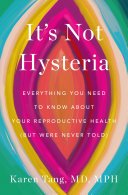
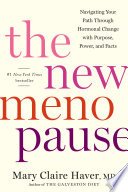
Mary Claire Haver recommended It's Not Hysteria by Karen Tang. Andrew Huberman recommended The New Menopause by Mary Claire Haver and others.
Books mentioned, in the order they came up
-
It's Not Hysteria
It's Not Hysteria by Karen Tang is an educational health book written by a gynecologic surgeon who specializes in conditions like PCOS, offering women crucial guidance on understanding complex disease processes and advocating for themselves within the medical system.
Recommended“Karen Tang just published um it's not Hyster wait hysteria it's uh it's not hysteria and she's a gynecologic surgeon does a lot of work around enetri”
Where to get it
-
The New Menopause
The New Menopause by Mary Claire Haver, MD is a comprehensive and accessible guide designed to help women navigate hormonal changes with facts, power, and purpose.
Recommended“please see the link to her website in the show note caption as well as the link to her terrific book the new menopause navigating your path through hormonal change with purpose power and the facts”
Where to get it
Other mentions in this episode (2) — ad reads, self-promotion and passing references, never counted
Plugged The Galveston Diet
“when I first wrote galison diet to be honest and transparent it was for weight loss and you know I was frustrated with my weight gain and I that was the pain point my patients had and that was my pain point”
Plugged The Galveston Diet
“You know, when I first wrote the Galveston diet, to be honest and transparent, it was for weight loss. And, you know, I was frustrated with my weight gain and that was the pain point my patients had—and that was my pain point—but I didn't realize it represented something much more sinister than just the way I looked.”