
Episode · Dwarkesh Podcast · 2024-08-29
Dwarkesh Patel & David Reich: books mentioned on Dwarkesh Podcast (Aug 2024)
David Reich — How one small tribe conquered the world 70,000 years ago
I had no idea how wild human history was before chatting with the geneticist of ancient DNA David Reich. Human history has been again and again a story of one group figuring ‘something’ out, and then basically wiping everyone else out.
Dwarkesh Patel discussed Who We Are and How We Got Here by David Reich, How We Got Here by David Frum, and Against the Grain by James C. Scott. David Reich recommended The Fate of Rome by Kyle Harper.
Books mentioned, in the order they came up
-
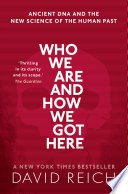
Who We Are and How We Got Here
Who We Are and How We Got Here by David Reich is a groundbreaking exploration of ancient human DNA, migration patterns, and population genetics that upends traditional ideas taught in grade school.
Discussed“From your book I remember that there are lineages of modern humans that are over 200,000 years separated from other groups, like the San hunter-gatherers from everybody descended from Eurasia.”
Where to get it
-
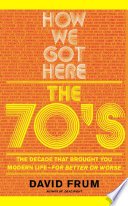
How We Got Here
Who We Are and How We Got Here by David Reich is a groundbreaking exploration of ancient human DNA, migration patterns, and population genetics that upends traditional ideas taught in grade school.
Discussed“From your book I remember that there are lineages of modern humans that are over 200,000 years separated from other groups, like the San hunter-gatherers from everybody descended from Eurasia.”
Where to get it
-
Against the Grain
Why people recommend it: Challenging traditional assumptions about the rise of human civilization and the origins of state control, Against the Grain by James C.
Discussed“James Scott, who I think just died a couple of weeks ago, wrote his book, Against the Grain. The whole book is like, “Agriculture sucked but we were forced to adopt it because it allowed some humans to organize nation states that were very abusive.””
Where to get it
-
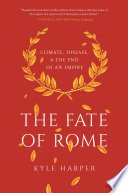
The Fate of Rome
The Fate of Rome by Kyle Harper is a historical study that examines how climate change and three major disease outbreaks impacted the Roman Empire.
Recommended“There's an amazing book by Kyle Harper. It's called The Fate of Rome. He's a Roman historian. It's a history of three major plagues in the Roman period, two of which are really not even very well known.”
Where to get it
Other mentions in this episode (13) — ad reads, self-promotion and passing references, never counted
“David, we were just chatting before we started recording about new information you've been studying since the book came out: archaic humans and the relationship between modern humans and Neanderthals.”
“David, we were just chatting before we started recording about new information you've been studying since the book came out: archaic humans and the relationship between modern humans and Neanderthals.”
“I wrote this book, Who We Are and How We Got Here: Ancient DNA and the New Science of the Human Past. It's a bit of a misleading title or a kind of a bait-and-switch title.”
“In my book, I have a section where I describe our initial findings and the conversations we had with archaeologists about them. Ancient DNA has been very disruptive to conventional understanding of the past.”
“In my book, I have a section where I describe our initial findings and the conversations we had with archaeologists about them. Ancient DNA has been very disruptive to conventional understanding of the past.”
“What's happened in the last few years is there's been something of a reconciliation after the book. Archaeology is trying to reconcile itself with the DNA data.”
“What's happened in the last few years is there's been something of a reconciliation after the book. Archaeology is trying to reconcile itself with the DNA data.”
“One thing that's really interesting that has actually emerged in the last few years—and was not really strong at the time that I wrote my book—was an understanding of the relationship between the Yamnaya and groups like the Corded Ware and the Beakers.”
“One thing that's really interesting that has actually emerged in the last few years—and was not really strong at the time that I wrote my book—was an understanding of the relationship between the Yamnaya and groups like the Corded Ware and the Beakers.”
“This comes across in my book. It's very tempting to be interested in your own history and think it's important. It's obviously not important compared to other people's history.”
“This comes across in my book. It's very tempting to be interested in your own history and think it's important. It's obviously not important compared to other people's history.”
“There's a section in the introduction of my book which was sort of my impression of what it was like. I had a conversation with my PhD supervisor about what it would be like if one somehow could open a cave or a room that was echoing still with languages that don't exist anymore.”
“There's a section in the introduction of my book which was sort of my impression of what it was like. I had a conversation with my PhD supervisor about what it would be like if one somehow could open a cave or a room that was echoing still with languages that don't exist anymore.”