
Episode · The Tim Ferriss Show · 2026-07-29
Books mentioned on #877: Q&A with Tim — The Art of Male Friendship, Mini-Retirements, Higher-Resolution Living, Reinvention in The Age of AI, and More
In this wide-ranging Q&A, Tim explores reinvention, enduring skills for the age of AI, friendship, mental health, fitness, language learning, privacy, cognitive longevity, and more. This episode is brought to you by: Gusto simple and easy payroll, HR, and benefits platform used by 400,000+ businesses: Gusto.
Books mentioned, in the order they came up
-
Awareness
Awareness by Anthony De Mello is a profound spiritual guide designed to help readers foster internal validation, cultivate deep introspection, and break free from conditioned societal patterns.
Recommended“And there are tools I think that almost anyone can benefit from that may steer you towards introspection or more internal validation versus external validation, like some of you will recognize this, the book Awareness by Anthony de Mello.”
Where to get it
-
On Writing Well
On Writing Well by William Zinsser is a classic, highly regarded guide to non-fiction writing that emphasizes clarity, simplicity, brevity, and humanity in prose.
Recommended“So, anything that will improve written comms, there are many books on this, certainly on writing well by Zinsser.”
Where to get it
-
Roger Dawson's Secrets of Power Negotiating
Discussed“And these are some older callbacks for me, but the Secrets of Power Negotiating by Dawson had a I remember had a huge impact on me.”
Where to get it
-
Getting to Yes
Discussed“There are other books that provide frameworks, and I've interviewed a lot of these people, so you can also look at the archive of the podcast for people involved with the Harvard Negotiating project, and I actually interviewed one of the co-authors of Getting to Yes. I think it's William Ury.”
Where to get it
-
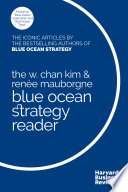
The W. Chan Kim and Renée Mauborgne Blue Ocean Strategy Reader
The W.
Recommended“All right. So, the last part about generalizing, I would say if you haven't read it, read the Blue Ocean Strategy.”
Where to get it
Other mentions in this episode (6) — ad reads, self-promotion and passing references, never counted
Own book The 4-Hour Workweek
“This is something that I've recommended in The 4-Hour Workweek with respect to developing your own businesses or lifestyle muses, and I still think it applies to many, many, many different things.”
Own book The 4-hour Chef
“And this is going to sound like I'm shilling my own bags here, but the meta learning section of the 4-Hour Chef. I think the 4-Hour Chef is a book tried to do too much, but the very first section, which is something like 80 pages on meta learning, I do think is worth a revisit if you haven't in”
Own book The 4-Hour Body
“What workouts from The 4-Hour Body are you still prioritizing in your routines? There's There's a lot from The 4-Hour Body.”
Own book The 4-Hour Workweek
“And then, you know, being burned out might be related to needing a vacation, and then simply having outgrown the life you've built, I would say take a mini retirement, and that is another concept from The 4-Hour Workweek.”
Own book The 4-Hour Workweek
“So, the benefit of a mini retirement, and I'm sure people have written about this online, so you don't necessarily have to buy The 4-Hour Work Week, is that you have to set up systems and policies and improve all of that before you leave.”
Own book The 4-hour Chef
“You probably know this already, but between 8 to 12 weeks, and not to beat a dead horse, but again, the metalearning section of The 4-Hour Chef goes into this at length.”