
Episode · The Jordan B. Peterson Podcast · 2023-02-09
Jordan Peterson & Roy Sebag: books mentioned on The Jordan B. Peterson Podcast #330
330. The Natural Order of Money | Roy Sebag
Dr Jordan B Peterson and Roy Sebag discuss financial investing, the intrinsic value of gold, and man's relationship to wealth and the natural world. Roy Sebag is a self-made entrepreneur who has innovated across multiple industries.
Jordan Peterson recommended The Natural Order of Money by Roy Sebag, and discussed Bible and Superabundance by Marian L. Tupy and others. Roy Sebag discussed Zen and the Art of Motorcycle Maintenance by Robert M. Pirsig and Philosophiae naturalis principia mathematica by Sir Isaac Newton.
Books mentioned, in the order they came up
-
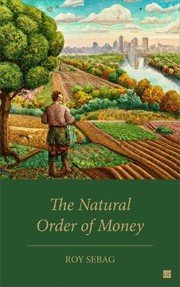
The Natural Order of Money
Recommended“He's recently published a book, The Natural Order of Money, which is what we're going to talk about today, trying to puzzle through just exactly what constitutes money and how it might be productively contemplated psychologically, biologically, to some degree, at least in terms of its potential biological implications, economically, sociologically, philosophically, and theologically.”
Where to get it
-
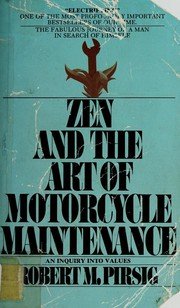
Zen and the Art of Motorcycle Maintenance
Discussed“Remember when I was a kid 17 or so, I read this book Zen and the Art of Motorcycle Maintenance... He called it an investigation into quality, right?”
Where to get it
-
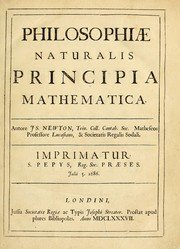
Philosophiae naturalis principia mathematica
Discussed“There's a curious passage in the 'Optics.' I don't recall it because I read it many years ago, but it mentions how God initially formed all matter indestructibly, and there's something about gold shortly thereafter.”
Where to get it
-
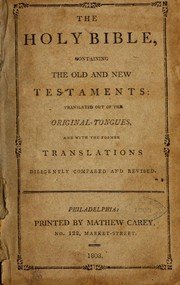
Bible
Discussed“The book is available to everyone, from Shakespeare to modern education and science to civilization itself. It is the most influential book in all of history, and hopefully people can walk away with at least a sense of that.”
Where to get it
-
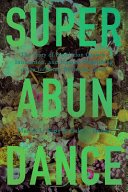
Superabundance
Discussed“I interviewed Marian Tupy, who wrote a the book Superabundance that makes some claims that are contrary to yours.”
Where to get it
Other mentions in this episode (1) — ad reads, self-promotion and passing references, never counted
Plugged The Natural Order of Money
“He's recently published a book, The Natural Order of Money, which is what we're going to talk about today, trying to puzzle through just exactly what constitutes money and how it might be productively contemplated psychologically, biologically to some degree, at least in terms of its potential biological implications, economically, sociologically, philosophically, theologically.”