
Episode · EconTalk · 2020-02-03
Books mentioned on Robert Shiller on Narrative Economics
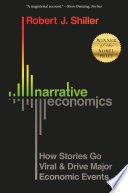
Economist, author, and Nobel Laureate Robert Shiller of Yale University discusses his book Narrative Economics with EconTalk host Russ Roberts. Shiller proposes a novel idea--that the narratives that people believe and use to understand the world affect their economic behavior and in turn affect the macroeconomy.
Russ Roberts discussed Narrative Economics by Robert J. Shiller, The Economists' Hour by Binyamin Appelbaum, Principles of Economics by Alfred Marshall, The Theory of Moral Sentiments by Adam Smith, Frankenstein by Mary W. Shelley, The Principles of Political Economy and Taxation by David Ricardo, and Sapiens by Yuval Noah Harari. Robert Shiller discussed The Interpretation of Dreams by Sigmund Freud, The Iliad, and General Theory Of Employment , Interest And Money by John Maynard Keynes.
Books mentioned, in the order they came up
-
Narrative Economics
Discussed“I guess the question that that came to my mind in reading your book is how do we know that these stories that we tell ourselves...”
Where to get it
-
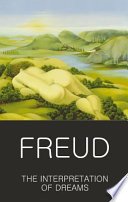
The Interpretation of Dreams
The Interpretation of Dreams by Sigmund Freud is a foundational psychoanalytic text that introduces the concept of dream analysis as a window into the unconscious mind and repressed desires.
Discussed“Freud wrote a book called interpretation of Dreams okay right”
Where to get it
-
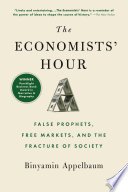
The Economists' Hour
Binyamin Appelbaum's economic history investigates the rise of market-oriented economic dominance and the influence of economists on public policy.
Discussed“modern narrative that's increasingly common that the current state of the US economy just interviewed in you mean Appelbaum about his book The Economist hour”
Where to get it
-
Principles of Economics
Discussed“the smart man his textbook principles of economics it's pretty good I was thinking about signing it now that was 1890 when he wrote that it's a good book”
Where to get it
-
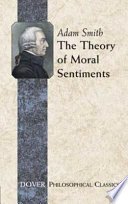
The Theory of Moral Sentiments
The Theory of Moral Sentiments by Adam Smith is a seminal 1759 work of moral philosophy that examines the psychological foundations of human judgment, empathy, and social order.
Discussed“it's all in the Theory of Moral Sentiments by Adam Smith by the way is my listeners know all too well yes it is”
Where to get it
-
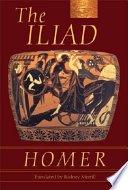
The Iliad
The Iliad by Homer is an ancient Greek epic poem that details the events of the Trojan War and the wrath of Achilles.
Discussed“it was homer in his Iliad uses the word automata automata oh I guess in Greek to describe some devices”
Where to get it
-
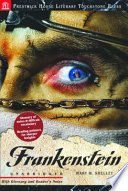
Frankenstein
Frankenstein by Mary W.
Discussed“so does that narrative matter other than as an entertainment as a way to for us to scare ourselves the equivalent to reading say Frankenstein by Mary Shelley”
Where to get it
-
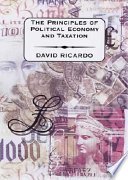
The Principles of Political Economy and Taxation
Discussed“in the third edition to his principles of political economy in the 1830s David Ricardo was one of the dominant economists at that time in his preface to the book - the third edition said I am now adding a new chapter on machines”
Where to get it
-
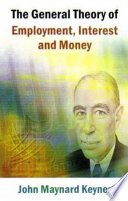
General Theory Of Employment , Interest And Money
John Maynard Keynes's influential 1936 economic treatise reshaped macroeconomic policy and continues to provoke critical debate among modern economists and scholars.
Discussed“so he entitled his famous 1936 book the general theory of employment interest and money first of all that to say the general theory that that sounds pretentious doesn't it”
Where to get it
-
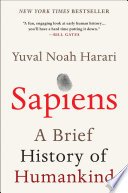
Sapiens
Sapiens: A Brief History of Humankind by Yuval Noah Harari is a sweeping exploration of how Homo sapiens evolved, dominated the planet, and constructed complex imaginary orders like religion, money, and nations.
Discussed“I mean do of all her re on the program talking about his book sapiens I don't have things I didn't like about that book either”
Where to get it
Other mentions in this episode (1) — ad reads, self-promotion and passing references, never counted
“my guest today has been Robert Shiller his book is narrative economics Bob thanks for being part of econ talk”