
Episode · Conversations with Tyler · 2022-03-23
Tyler Cowen & Lydia Davis: books mentioned on Conversations with Tyler
Lydia Davis on Language and Literature
A prolific translator, author, and former professor of creative writing, Lydia Davis's motivation for her life's work is jarringly simple: she just loves language. She loves short, sparkling sentences.
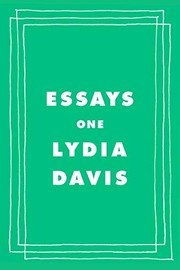
Tyler Cowen discussed Essays One by Lydia Davis and DON QUIXOTE by Miguel de Cervantes, and criticized Harry Potter and the Philosopher's Stone by J. K. Rowling. Lydia Davis discussed Ulysses by James Joyce, The Gray Notebook by Josep Pla, Sleepless Nights by Elizabeth Hardwick, a sorrow beyond dreams by Peter Handke, The Left-handed Woman by Peter Handke, The afternoon of a writer by Peter Handke, Heart of Darkness by Joseph Conrad, and Beowulf by Seamus Heaney.
Books mentioned, in the order they came up
-
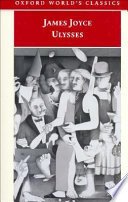
Ulysses
James Joyce's landmark modernist novel Ulysses chronicles an ordinary day in the life of Leopold Bloom in Dublin, mapping human consciousness and daily existence through a revolutionary stream-of-consciousness technique.
Discussed“i had a problem a long time ago trying to read ulysses by joyce and started it twice and finally read it when i lived in ireland”
Where to get it
-
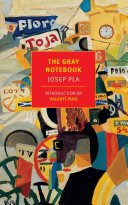
The Gray Notebook
Discussed“there's a there's a book by a catalan writer called joseph pla that's called the gray notebook i think or the other gray notebooks or the gray notebook”
Where to get it
-
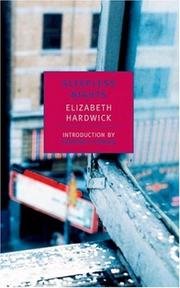
Sleepless Nights
Sleepless Nights by Elizabeth Hardwick is a fragmented, deeply atmospheric 1979 novel that blends memoir, fiction, and sharp social observation to reflect on a woman's life across various American and European locations.
Discussed“but i was thinking even first of a book that influenced me a lot in in my writing of that and that was elizabeth hardwick's sleepless nights which i haven't revisited in a while”
Where to get it
-
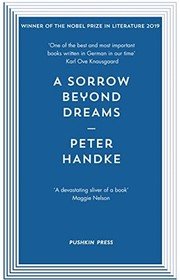
a sorrow beyond dreams
Discussed“and i think um i think also a sorrow beyond dreams by hank which i'm about to revisit by peter hanke also gives that impression of fragmentation”
Where to get it
-
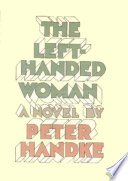
The Left-handed Woman
Discussed“one was the um the left-handed woman and that he he wrote in such a straightforward style and the material repeated so much that i was able to read it without a problem”
Where to get it
-
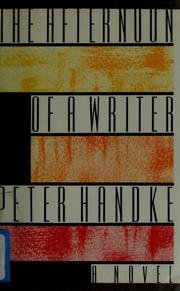
The afternoon of a writer
Discussed“so then i tried reading whatever it is the day in the in afternoon of a writer i think it's called afternoon of a writer and that was terribly complicated with difficult constructions and huge vocabulary”
Where to get it
-
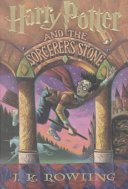
Harry Potter and the Philosopher's Stone
Harry Potter and the Philosopher's Stone by J.K.
Critiqued“how would you articulate why you don't like the harry potter novels um well that's fairly easy although i should have a page in front of me”
Where to get it
-
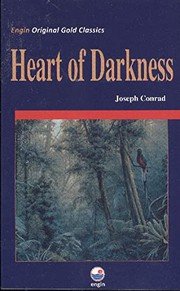
Heart of Darkness
Heart of Darkness is a classic novella by Joseph Conrad about a perilous journey up an African river into the unknown depths of colonial exploitation and human nature.
Discussed“for example we mentioned conrad i started the heart of darkness i had read it years ago and i started it you know a few months ago and really liked the writing and wanted to go on”
Where to get it
-
DON QUIXOTE
Don Quixote by Miguel de Cervantes is widely celebrated as one of the earliest modern novels and a foundational masterpiece of Western literature.
Discussed“have you read don quixote yet well i actually i belong to a kind of pretty high-minded book club a zoom a remote book club”
Where to get it
-
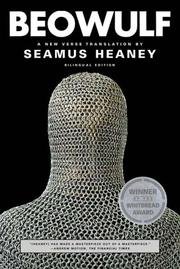
Beowulf
Beowulf translated by Seamus Heaney is a modern poetic translation of the ancient Anglo-Saxon epic detailing the hero Beowulf's battles against monsters like Grendel and a treasure-guarding dragon.
Discussed“we also read beowulf because that was another one i'd never read and thought that i should read”
Where to get it
Other mentions in this episode (1) — ad reads, self-promotion and passing references, never counted
“but i think of the novel i wrote the one novel the end of the story was meant to be give the impression of of fragmentation because the narrator is trying to remember remember incidents”