Person
Every book Lydia Davis recommended on podcasts
Lydia Davis's conversation on Conversations with Tyler reveals a meticulous writer deeply attuned to literary style, translation, and the nuances of narrative structure. Discussing her reading history, Davis recalled struggling with James Joyce's Ulysses early in life before finally understanding its context while living in Ireland. She also reflected on works that influenced her own writing through deliberate fragmentation, such as Elizabeth Hardwick's Sleepless Nights and Peter Handke's A Sorrow Beyond Dreams. However, her engagement with Handke is multifaceted, as she also noted the complex vocabulary and difficult constructions she encountered while reading Afternoon of a Writer in German. Davis's critical eye extends to contemporary pop culture and classic literature alike; she openly critiqued the style and characters of J.K. Rowling's Harry Potter series, while expressing renewed appreciation for Joseph Conrad's Heart of Darkness and noting her experience reading Beowulf with a book club. Across these reflections, Davis appears as an attentive, discerning reader who evaluates texts through a rigorous artistic lens, constantly analyzing how language, structure, and style shape the reading experience.
Books recommended by Lydia Davis
-
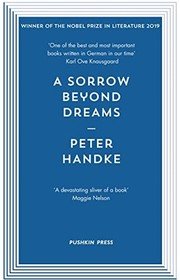
a sorrow beyond dreams
Discussed“and i think um i think also a sorrow beyond dreams by hank which i'm about to revisit by peter hanke also gives that impression of fragmentation”
Where to get it
-
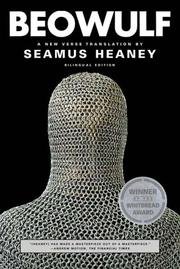
Beowulf
Beowulf, translated brilliantly by Seamus Heaney, is an enduring foundational epic poem of Old English literature that chronicles the legendary hero's epic battles against monsters like Grendel and a fearsome dragon.
Discussed“we also read beowulf because that was another one i'd never read and thought that i should read”
Where to get it
-
Harry Potter and the Philosopher's Stone
J.K.
Critiqued“but when i tried to read them i didn't like the style of writing and i didn't like the characters and i didn't like anything about them”
Where to get it
-
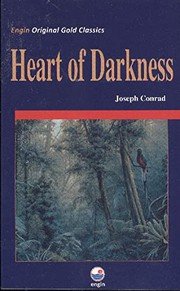
Heart of Darkness
Joseph Conrad's classic 1899 novella follows Marlow as he journeys up the Congo River into the African interior, confronting the dark realities of imperialism and human nature.
Discussed“for example we mentioned conrad i started the heart of darkness i had read it years ago and i started it you know a few months ago and really liked the writing and wanted to go on”
Where to get it
-
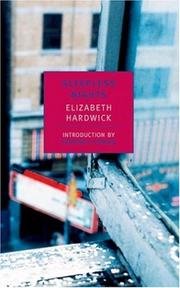
Sleepless Nights
Sleepless Nights by Elizabeth Hardwick is a novel from the late 1970s that employs a fragmented and impressionistic narrative style.
Discussed“but i was thinking even first of a book that influenced me a lot in in my writing of that and that was elizabeth hardwick's sleepless nights which i haven't revisited in a while”
Where to get it
-
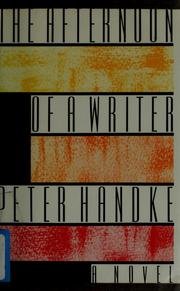
The afternoon of a writer
Discussed“so then i tried reading whatever it is the day in the in afternoon of a writer i think it's called afternoon of a writer and that was terribly complicated with difficult constructions and huge vocabulary”
Where to get it
-
Ulysses
Ulysses by James Joyce is a monumental modernist novel that chronicles a single day in the life of Leopold Bloom in Dublin, mirroring the structure of Homer's Odyssey.
Discussed“i had a problem a long time ago trying to read ulysses by joyce and started it twice and finally read it when i lived in ireland”
Where to get it
Books Lydia Davis wrote
Appearances
| Episode | Podcast | Date | Books |
|---|---|---|---|
| Lydia Davis on Language and Literature | Conversations with Tyler | 2022-03-23 | 7 |
Other mentions (1: passing, ad reads, own books)
“but i think of the novel i wrote the one novel the end of the story was meant to be give the impression of of fragmentation because the narrator is trying to remember remember incidents”