
Episode · Invest Like the Best · 2016-11-29
Patrick O'Shaughnessy & Christopher Cole: books mentioned on Invest Like the Best #13
Christopher Cole – Small Bets, Huge Payoffs - [Invest Like the Best, EP.13]
My guest this week is Christopher Cole, founder and managing partner at Artemis Capital Management. Chris’s specialty is in long volatility strategies, setting up portfolios that will benefit from significant change and volatility in markets.
Patrick O'Shaughnessy recommended Impro by Keith Johnstone, and discussed Antifragile by Nassim Nicholas Taleb and Lords of Finance by Liaquat Ahamed. Christopher Cole recommended Command and Control by Eric Schlosser, The genius of birds by Jennifer Ackerman and others, and Creativity, Inc. by Ed Catmull and others.
Books mentioned, in the order they came up
-
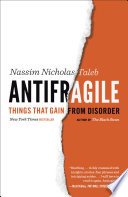
Antifragile
Discussed“Do you think that the, because so many people will be familiar with the idea that Nassim Taleb's anti-fragile is, you know, the best popular analog for this idea of being long convexity”
Where to get it
-
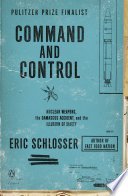
Command and Control
Recommended“So an example I give in this paper, which is great from a book called Command and Control. It's an amazing and terrifying book. I mean, it's one day removed from Halloween. This is the scariest book you'll ever read.”
Where to get it
-
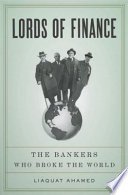
Lords of Finance
Discussed“There are some people that, that, that use the, the thirties, um, as a, and it's one of the greatest books about this is, uh, Lords of Finance. It's about the history of central banking through that period.”
Where to get it
-
The genius of birds
Recommended“Last book I read that I really enjoyed was Genius of Birds. Sort of interesting. What's that one about? It's about the intelligence of birds.”
Where to get it
-
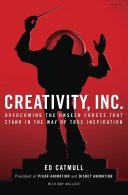
Creativity, Inc.
Recommended“Another book I really enjoyed was, it's called Creativity. It's about Pixar. It's about a history of, yeah, wonderful book. Ed Catmull, right?”
Where to get it
-
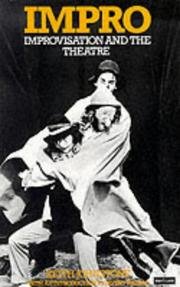
Impro
Recommended“I'm curious, have you ever come across a book called Impro, Improvisation in the Theater? No. Okay, so. Sounds great though.”
Where to get it

Other mentions in this episode (2) — ad reads, self-promotion and passing references, never counted
Passing Market wizards
“He was in one of the original, he was actually in the original market wizards. And he said, you know, the biggest fallacy about him is that he's right most of the time.”
Passing Devil Take the Hindmost
“And that's why, uh, I mean, if you, if you read, you know, devil take the hindmost and you read the work of Neil Ferguson, it's why all these guys, I mean, they're not economists, they're historians.”