Tim Ferriss & Bill Gurley: books mentioned on The Tim Ferriss Show #651
#651: Legendary Investor Bill Gurley on Investing Rules, Finding Outliers, Insights from Jeff Bezos and Howard Marks, Must-Read Books, Creating True Competitive Advantages, Open-Source Strategies, Adapting Mental Models to New Realities, and More
Brought to you by Protekt's REST sleep supplement, Athletic Greens's AG1 all-in-one nutritional supplement, and Shopify global commerce platform providing tools to start, grow, market, and manage a retail business. Bill Gurley (@bgurley) has spent more than 20 years as a general partner at Benchmark.
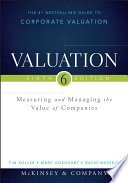
Tim Ferriss discussed Competitive Strategy by Michael E. Porter and Think twice by Michael J. Mauboussin. Bill Gurley recommended One Up On Wall Street by Peter Lynch and others, A Random Walk Down Wall Street by Burton Gordon Malkiel, The Innovator's Dilemma by Clayton Christensen, Crossing the Chasm by Geoffrey A. Moore, Startup by Jerry Kaplan, Build by Tony Fadell, Shoe Dog by Phil Knight, How Innovation Works by Matt Ridley, Complexity by M. Mitchell Waldrop, Mr. China by Tim Clissold, and Range by David J. Epstein, and discussed The Rational Optimist by Matt Ridley, Valuation by McKinsey & Company Inc. and others, Snow Crash by Neal Stephenson, The Sports Gene by David Epstein, and Thinking, Fast and Slow by Daniel Kahneman.
Books mentioned, in the order they came up
We earn a commission if you buy through the store links below, at no cost to you.
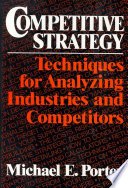
Competitive Strategy by Michael E. Porter is a foundational management text that introduces core techniques for analyzing industries and positioning businesses for long-term advantage.
Discussed
“Michael Porter's book Competitive Strategy: Techniques for Analyzing Industries and Competitors, which you have described I believe as the most efficient short-form MBA that one can find.”
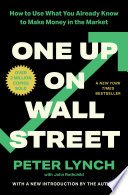
One Up On Wall Street by Peter Lynch and John Rothchild is a practical guide for individual investors on how to find profitable stock market opportunities by observing everyday products and businesses.
Recommended
“You can read Peter Lynch's One Up On Wall Street.”
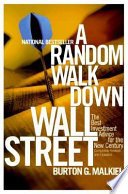
A Random Walk Down Wall Street by Burton Gordon Malkiel is a classic investment guide that popularized the random walk hypothesis and the case for passive index fund investing over active stock picking.
Recommended
“A Random Walk Down Wall Street by Burton Malkiel.”
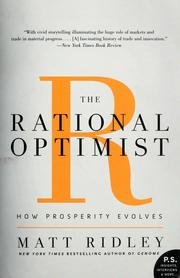
The Rational Optimist by Matt Ridley is a bold exploration of human history that argues prosperity and rising living standards are driven by trade, innovation, and the free exchange of ideas.
Discussed
“And I think Bruce had just read The Rational Optimist, which is a Matt Ridley book.”
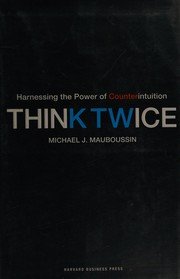
Think Twice: Harnessing the Power of Counterintuition is a compelling book by Michael J. Mauboussin that explores how cognitive biases and faulty decision-making undermine our ability to judge situations accurately, offering strategies to overcome these mental traps.
Discussed
“Did he write a book called Think Twice: Harnessing the Power of Counterintuition, or is that a different Michael?”
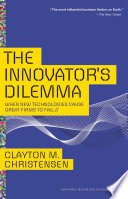
The Innovator's Dilemma is a seminal business and technology book by Clayton Christensen that examines how industries evolve and why established companies often struggle with emerging innovations.
Recommended
“The two books that I would put for the venture community, for the startup community that I would put as next level right on top of Competitive Strategy or Innovator's Dilemma, which does an amazing job of describing why startups can compete with big companies.”
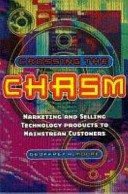
Crossing the Chasm by Geoffrey A. Moore is a business strategy guide that explains how high-tech products can successfully transition from early adopters to the mainstream early majority market.
Recommended
“And Crossing the Chasm, which does a really good job of explaining how a startup should kind of sequence their customer base as they grow.”
Why people recommend it: This candid memoir and business guide by Tony Fadell offers hard-earned lessons on designing products, building teams, and navigating the chaotic reality of entrepreneurship.
How Innovation Works by Matt Ridley explores the origins of incredible inventions and historical developments, arguing that innovation thrives on freedom and acts as the parent of prosperity.
Recommended
“For kind of high-tech macro, if there is such a thing, I think Ridley's two books, The Rational Optimist and How Innovation Works, they're just fantastic and spectacular.”
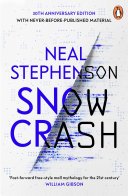
Snow Crash by Neal Stephenson is a classic cyberpunk science fiction novel that famously anticipated the metaverse, modern social media, and digital currencies.
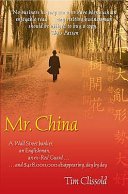
Mr. China by Tim Clissold is a memoir detailing the author's experiences as part of a joint venture investment team trying to do business in China during the economic reforms of the 1990s, highlighting the immense cultural and commercial challenges foreign investors faced.
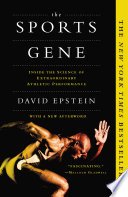
The Sports Gene by David Epstein is a science book that explores the physiological and genetic factors behind exceptional athletic ability and elite performance.
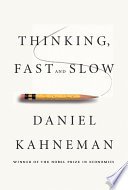
Thinking, Fast and Slow is a popular psychology and behavioral economics book by Daniel Kahneman that explores cognitive biases, human judgment, and the dual systems that drive how people think.
Discussed
“All the books that have been written on bias and all the Kahneman [inaudible] and Thinking, Fast and Slow, and all the Nobel prizes for that stuff.”