
Episode · Freakonomics Radio · 2022-12-29
Books mentioned on 528. Yuval Noah Harari Thinks Life is Meaningless and Amazing
In this special episode of People I (Mostly) Admire, Steve Levitt talks to the best-selling author of Sapiens and Homo Deus about finding the profound in the obvious. Hosted by Simplecast, an AdsWizz company.
Steve Levitt discussed Sapiens by Yuval Noah Harari and Guns, Germs and Steel by Jared Diamond.
Books mentioned, in the order they came up
-
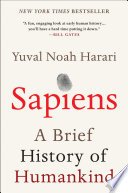
Sapiens
Sapiens: A Brief History of Humankind by Yuval Noah Harari is a sweeping narrative that traces the evolutionary and historical development of the human species from prehistoric bands to modern civilizations.
Discussed“So I've heard the story that if it weren't for your deep insecurities around public speaking, the book Sapiens might never have come to be. Is that a true story?”
Where to get it
-
Guns, Germs and Steel
Guns, Germs and Steel by Jared Diamond is an expansive historical non-fiction work that explores why Eurasian civilizations survived and conquered other societies, attributing these outcomes to geographical and environmental advantages rather than biological differences.
Discussed“So I've also heard that your reaction to reading Guns, Germs and Steel by Jared Diamond back in the day when you were a PhD student was something like, I could write a book like that.”
Where to get it

Other mentions in this episode (2) — ad reads, self-promotion and passing references, never counted
“He's a great author and historian best known for writing Sapiens: A Brief History of Humankind. It is a book that has changed how millions of people think about history and themselves.”
“My guest today is Yuval Noah Harari, author of the blockbuster book Sapiens, which tells the entire history of our species in under 450 pages.”