Book · 1995 · Juvenile Nonfiction
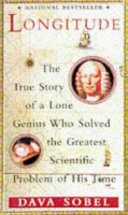
Longitude
The True Story of a Lone Genius Who Solved the Greatest Scientific Problem of His Time
- mentions
- 5
- people
- 4
- podcasts
- 2
- episodes
- 3
- recommendations
- 2
I taught it for four years, and one of the books was 'Longitude,' which is a wonderful story about the discovery of timekeeping devices.
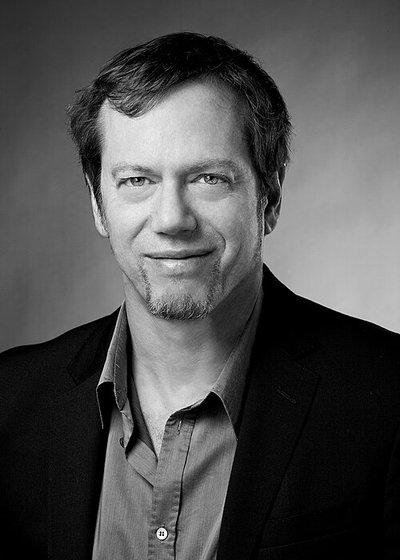 Robert Greene · Huberman Lab · Dec 2023 Listen at 6:52
The best things said about it
I recommended three books at the end of the course every year that I taught it I taught it for four years and one of the books was the book longitude which is a wonderful story about discovery of timekeeping devices at c.
 Andrew Huberman Huberman Lab · Dec 2023
And that was uh the chronometer story longitude longitude yes.
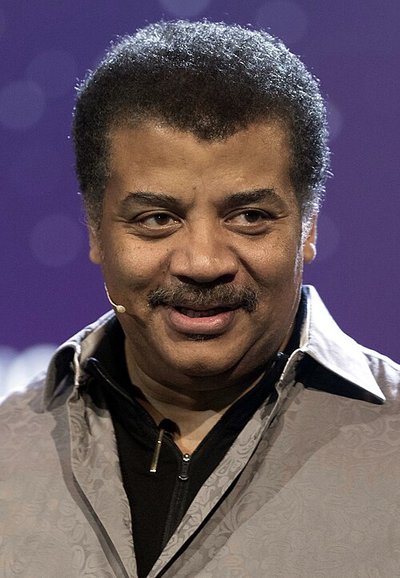 Neil deGrasse Tyson StarTalk Radio · Jan 2025
I think most people came to know you through your I don't know if it's your first book but the first book that did really really well of course and that was uh the chronometer story longitude longitude yes uh the story The subtitle you know if you if you read the title in the subtitle's book you say I.
4 people who brought it up
Why people recommend it
Longitude by Dava Sobel is a historical non-fiction book that tells the dramatic story of John Harrison, an eighteenth-century clockmaker who spent decades developing the marine chronometer to solve the deadly navigational problem of determining longitude at sea. Andrew Huberman recommended the book on Huberman Lab as an essential and captivating read for understanding the history of navigation, timekeeping, and why modern society functions the way it does. Robert Greene also praised the work on the same podcast, noting that he assigned it to his undergraduate students for four years to illustrate the inspiring story behind the discovery of portable timekeeping devices. Chuck Nice and Neil deGrasse Tyson discussed the book on StarTalk Radio during an interview with Dava Sobel, celebrating it as the breakthrough literary work that brought her historical writing to a wide audience. Podcast guests and hosts consistently highlight the narrative to demonstrate the patience, perseverance, and intellectual rigor required to achieve profound technological breakthroughs that permanently alter human history.
Every mention
Andrew Huberman an important book for anyone to read who's interested in basically why we 2
“an important book for anyone to read who's interested in basically why we”
“I recommended three books at the end of the course every year that I taught it I taught it for four years and one of the books was the book longitude which is a wonderful story about discovery of timekeeping devices at c”
Robert Greene I taught it for four years, and one of the books was 'Longitude,' which is a wonderful story about the disc… 1
“I taught it for four years, and one of the books was 'Longitude,' which is a wonderful story about the discovery of timekeeping devices.”
Chuck Nice I think most people came to know you through your I don't know if it's your first book but the first book t… 1
“I think most people came to know you through your I don't know if it's your first book but the first book that did really really well of course and that was uh the chronometer story longitude longitude yes uh the story The subtitle you know if you if you read the title in the subtitle's book you say I”
Neil deGrasse Tyson and that was uh the chronometer story longitude longitude yes 1
“and that was uh the chronometer story longitude longitude yes”