
Episode · Modern Wisdom · 2019-06-17
Books mentioned on Why Do Our Backs Hurt? - Dr Stuart McGill - #081
Dr Stuart McGill is a professor emeritus at the University of Waterloo and a world expert in back pain. Dr McGill has worked with some of the best athletes in the world across pretty much every sport you can imagine as a spinal specialist, so if anyone can give us some advice about how to cope with back pain, it's him.
Books mentioned, in the order they came up
-
Back Mechanic
Back Mechanic by Stuart McGill is a comprehensive manual designed to help individuals diagnose, manage, and overcome lower back pain through improved spinal hygiene and targeted movement principles.
Recommended“You should read a book called back mechanic. This is all in back mechanic by the way I have from our coach.”
-
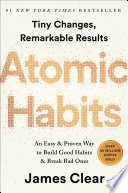
Atomic Habits
Atomic Habits by James Clear is a comprehensive, practical guide to building positive routines and breaking bad ones through small, incremental behavioral changes.
Discussed“There's a quote in James clears atomic habit. It's a book which came out this year. James is a hobbit expert.”
-
Gift of Injury
Gift of Injury by Stuart McGill and Brian Carroll is a rehabilitation and training guide that outlines a practical framework for overcoming severe back trauma, finding pain triggers, and safely rebuilding physical strength.
Discussed“I wanted you to tell the listeners the story behind the gift of injury. If you could. Well I was a book it's co-authored by Brian Carroll.”
Other mentions in this episode (1) — ad reads, self-promotion and passing references, never counted
“Then we well that that was my my book ultimate back fitness and performance to write progressions that would then keep the theme going of arresting micro-movements proximal stiffness and stiffening appropriately the flexible rod of the spine for more load bearing”