
Episode · Freakonomics Radio · 2023-01-12
Books mentioned on 530. What's Wrong with Being a One-Hit Wonder?
We tend to look down on artists who can't match their breakthrough success. Should we be celebrating them instead?
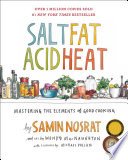
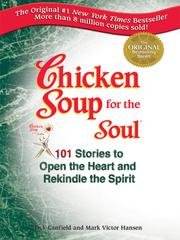
Samin Nosrat discussed Salt, Fat, Acid, Heat by Samin Nosrat. Stephen Dubner discussed Chicken Soup for the Soul by Jack Canfield and others.
Books mentioned, in the order they came up
-
Salt, Fat, Acid, Heat
Discussed“I wrote a book called Salt Fat acid heat that took me a very long time to write”
Where to get it
-
Chicken Soup for the Soul
Discussed“if I wrote Chicken Soup for the Soul and it sells five million copies now I want to write Chicken Soup for the automobile Chicken Soup for the fountain pen”
Where to get it
Other mentions in this episode (2) — ad reads, self-promotion and passing references, never counted
Plugged Salt, Fat, Acid, Heat
“I wrote a book called Salt, Fat, Acid, Heat that took me a very long time to write. That is Sameen Nasrat.”
“If I wrote Chicken Soup for the Soul and it sells five million copies, now I want to write Chicken Soup for the Automobile, Chicken Soup for the Fountain Pen, Chicken Soup for the Computer Console; doesn't that make a certain amount of sense as opposed to the theory of shirking from the newfound creative identity?”