
Episode · EconTalk · 2026-11-16
Russ Roberts & Tyler Cowen: books mentioned on EconTalk (Nov 2026)
The Wisdom of Montaigne (with Tyler Cowen)
Could a 16th-century Frenchman who spent two decades in a tower library be the first blogger? And could Tyler Cowen achieve immortality not through his books, but because AI has digested everything he’s ever said?
Russ Roberts recommended Montaigne by Stefan Zweig, The World of Yesterday by Stefan Zweig, and Chess Story by Stefan Zweig, and discussed The Essays of Michel de Montaigne by Michel de Montaigne, The Torah by David J. Zucker, The Hebrew Bible by Dan Cohn-Sherbok, The Talmud by Jacob Neusner, Plutarch's Lives, Volume 1 (of 4) by Plutarch, Moralia, and How We Weep and Laugh at the Same Thing by Michel de Montaigne. Tyler Cowen recommended Apology for Raymond Sebond by Michel de Montaigne.
Books mentioned, in the order they came up
-
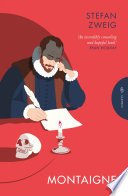
Montaigne
Recommended“I also want to recommend Stefan Zweig's brief biography of Montaigne, which is absolutely lovely.”
Where to get it
-
The Essays of Michel de Montaigne
Discussed“His essays appeared in 1580. He expanded and edited and wrote more until his death.”
Where to get it
-
Apology for Raymond Sebond
Recommended“The single best one, which was too long for us to do, but that's apology for Raymond Seabond. If you're only going to read one and have the time for an intense, you know, 200 pages or so, I would go there.”
Where to get it
-
The Torah
Discussed“I'm struck also by Torah study. I mentioned the Victorians. Torah study, to me, seems like it's been a highly effective method, not just for teaching people about the Torah, which is obvious, but for getting people to excel in other intellectual areas.”
Where to get it
-
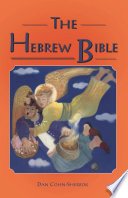
The Hebrew Bible
Discussed“Torah study, study of the Hebrew Bible, and then the Talmud, which is a commentary on the Bible and other oral transmissions. It's about trying to figure out what it means, but often trying to see connections between disparate pieces of the canon of Jewish wisdom.”
Where to get it
-
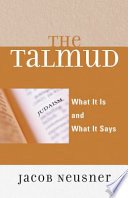
The Talmud
Discussed“Torah study, study of the Hebrew Bible, and then the Talmud, which is a commentary on the Bible and other oral transmissions. It's about trying to figure out what it means, but often trying to see connections between disparate pieces of the canon of Jewish wisdom.”
Where to get it
-
Plutarch's Lives, Volume 1 (of 4) by Plutarch
Discussed“I think that's part of his ongoing intellectual war against Plutarch. Like when he says, let him not be taught so much the histories of lives as how to judge them. Say something about Plutarch. He has a book called Lives, right?”
Where to get it
-
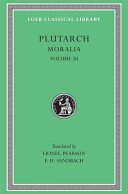
Moralia
Discussed“He has a book Lives and also Moralia. And Plutarch, it actually was not the real Plutarch, but people at the time thought that Plutarch was author of an essay on education.”
Where to get it
-
The World of Yesterday
Recommended“I've been pushing it. I love it. I love The World of Yesterday is a masterpiece. It's definitely worth reading.”
Where to get it
-
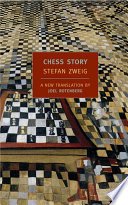
Chess Story
Recommended“It's definitely worth reading. I really like Chess' story. It's as creepy a story as you could write. And it's very interesting. His biographies.”
Where to get it
-
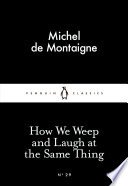
How We Weep and Laugh at the Same Thing
Discussed“I want to chat briefly about this very short essay you assigned, How We Weep and Laugh at the Same Thing. Yeah, go ahead. Because you're living in Israel, and this is late October, possibly, maybe likely, maybe certainly, you're on the verge of war being quite active again.”
Where to get it
Other mentions in this episode (1) — ad reads, self-promotion and passing references, never counted
“So he's living – he's spending a lot of time on his own here at the end of his life, but obviously he was a very social man in some dimension. I don't know why or how hard it was or whether it really was Walden-esque in his tower.”