
Episode · EconTalk · 2023-06-12
Books mentioned on Rebecca Struthers on Watches, Watchmaking, and the Hands of Time
Called "a poem in clockwork," the self-winding Breguet watch made for Marie Antoinette was meant to be the most beautiful example of mechanical art in the world.
Russ Roberts discussed The Theory of Moral Sentiments by Adam Smith and The Wealth of Nations by Adam Smith.
Books mentioned, in the order they came up
-
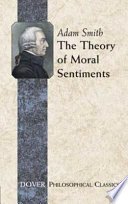
The Theory of Moral Sentiments
The Theory of Moral Sentiments by Adam Smith is a seminal 1759 work of moral philosophy that examines the psychological foundations of human judgment, empathy, and social order.
Discussed“Yes. So, um Adam Smith writes his first book which I'm going to quote from in a minute called The Theory of Moral Sentiments in first edition 1759. Then he publishes his uh grand opus, his most famous book, uh The Wealth of Nations in 1776.”
Where to get it
-
The Wealth of Nations
The Wealth of Nations by Adam Smith is a foundational text of classical economics published in 1776 that explores market dynamics, the division of labor, and the nature of national prosperity.
Discussed“Then he publishes his uh grand opus, his most famous book, uh The Wealth of Nations in 1776. In that book, among economists, Rebecca, maybe not so much among watchmakers, but he gives this uh example that I I don't think he'd ever seen it himself.”
Where to get it

Other mentions in this episode (2) — ad reads, self-promotion and passing references, never counted
Plugged Hands of Time
“She is the author of Hands of Time, a Watchmaker's History, and that is our subject for today.”
Plugged Hands of Time
“My guest today has been Rebecca Struthers. Her book is Hands of Time. Rebecca, thanks for being part of EconTalk.”