Episode · EconTalk · 2023-03-06
Books mentioned on Omer Moav on the Emergence of the State
Since at least Adam Smith, the common wisdom has been that the transition from hunter-gathering to farming allowed the creation of the State. Farming, so went the theory, led to agricultural surplus, and that surplus is the prerequisite for taxation and a State.
Omer Moav discussed The evolution of cooperation by Robert M. Axelrod, Against the Grain by James C. Scott, The Art of Not Being Governed by James C. Scott, and Guns, Germs and Steel by Jared Diamond. Russ Roberts discussed The Dawn of Everything by David Graeber and others and The Structure of Scientific Revolutions by Thomas S. Kuhn.
Books mentioned, in the order they came up
-
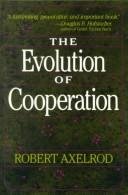
The evolution of cooperation
The Evolution of Cooperation by Robert M.
Discussed“also published in his 93 book a article is is just a roving Bandits turning stationary”
Where to get it
-
Against the Grain
Why people recommend it: Challenging traditional assumptions about the rise of human civilization and the origins of state control, Against the Grain by James C.
Discussed“so you I could point I mean James Scott is famous for that with his two best sellers not being God the art of not being governed and against the grain”
Where to get it
-
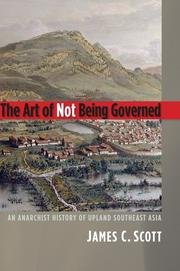
The Art of Not Being Governed
The Art of Not Being Governed by James C.
Discussed“so you I could point I mean James Scott is famous for that with his two best sellers not being God the art of not being governed and against the grain”
Where to get it
-
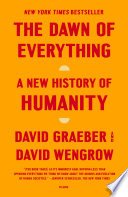
The Dawn of Everything
The Dawn of Everything: A New History of Humanity by David Graeber and David Wengrow is a sweeping archaeological and anthropological study that challenges conventional narratives about social evolution, inequality, and the origins of human civilization.
Discussed“so there there is a um a book called The Dawn of everything by David Graber and David wengro which um uh I've thought about reading I I started I've looked at it”
Where to get it
-
Guns, Germs and Steel
Guns, Germs and Steel by Jared Diamond is an expansive historical non-fiction work that explores why Eurasian civilizations survived and conquered other societies, attributing these outcomes to geographical and environmental advantages rather than biological differences.
Discussed“Jared diamond in his book Guns Germs and still exactly talks about uh crops that are available for domestication”
Where to get it
-
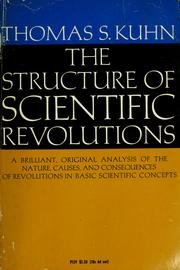
The Structure of Scientific Revolutions
The Structure of Scientific Revolutions by Thomas S.
Discussed“you know was Thomas Kuhn and the structure of scientific revolutions I think I have this right basically argued that you know science advances through death”
Where to get it