
Episode · The Jordan B. Peterson Podcast · 2024-05-23
Jordan Peterson & Alex O'Connor: books mentioned on The Jordan B. Peterson Podcast #451
451. Navigating Belief, Skepticism, and the Afterlife | Alex O'Connor
Dr. Jordan B. Peterson sits down in-person with philosophical-oriented YouTuber and podcaster Alex O’Connor.
Jordan Peterson discussed Crime and Punishment by Fyodor Dostoevsky, A Confession by Leo Tolstoy and others, and The Imitation of Christ by Thomas à Kempis.
Books mentioned, in the order they came up
-
Crime and Punishment
Discussed“and so Hamlet is an abstraction like raskolnikov in crime and punishment did raskolnikov exist”
Where to get it
-
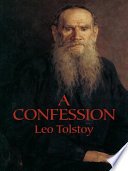
A Confession
Discussed“right to TL sto wrote about this in his confession he sort of he was he was I I love it it's like 100 pages long you can you can read it in noted”
Where to get it
-
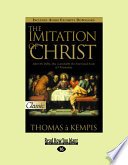
The Imitation of Christ
Discussed“it's in the imitation the uh the text the book you know the imitation of Christ”
Where to get it
Other mentions in this episode (3) — ad reads, self-promotion and passing references, never counted
Plugged We Who Wrestle with God
“that's one of the passages that I've concentrated a lot in this new book that I've just finished uh uh we who wrestle with God”
Plugged Maps of Meaning
“when I wrote maps of meaning so I did that I used the union Works in that regard”
Plugged Maps of Meaning
“When I wrote Maps of Meaning, I did that; I used the Jungian works in that regard, but I also used what I knew about neuropsychology and neuropsychopharmacology, with the presumption being that if all these pointers pointed to the same thing, it was probably there.”