
Episode · Lex Fridman Podcast · 2023-03-10
Lex Fridman & Chris Voss: books mentioned on Lex Fridman Podcast #364
#364 – Chris Voss: FBI Hostage Negotiator
Chris Voss is a former FBI hostage and crisis negotiator and author of Never Split the Difference: Negotiating As If Your Life Depended On It.
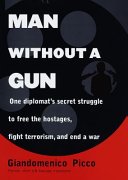
Chris Voss discussed Man Without a Gun by Giandomenico Picco, The talent code by Daniel Coyle, and Breaking the habit of being yourself by Joe Dispenza.
Books mentioned, in the order they came up
-
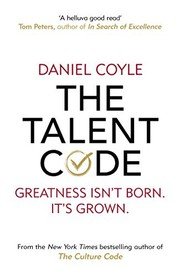
The talent code
Discussed“And he, yeah, he's, you know, and what was it, Coyle's book, "The Talent Code," says that, you know, people just noticed it and started getting good at it.”
Where to get it
-
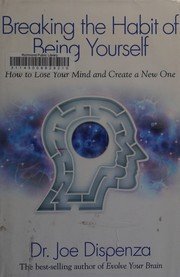
Breaking the habit of being yourself
Discussed“Like what is it, one of Joe Dispenza's book is "Breaking the Habit of Being Yourself."”
Where to get it
Other mentions in this episode (2) — ad reads, self-promotion and passing references, never counted
Plugged Never Split the Difference
“The following is a conversation with Chris Voss, former FBI hostage and crisis negotiator and author of, "Never Split the Difference: Negotiating As If Your Life Depended On It."”
Plugged Never Split the Difference
“And then one of the reasons, you know, we named the book "Tactical Empathy." Named the book "Never Split the Difference," but we're talking about tactical empathy.”