
Episode · Lex Fridman Podcast · 2022-10-05
Books mentioned on #326 – Annaka Harris: Free Will, Consciousness, and the Nature of Reality
Annaka Harris is the author of Conscious: A Brief Guide to the Fundamental Mystery of the Mind. Please support this podcast by checking out our sponsors: – Wealthfront: https://wealthfront.
Books mentioned, in the order they came up
-
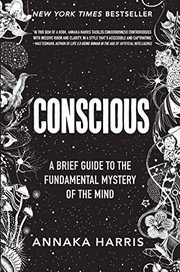
Conscious
Conscious by Annaka Harris is a brief guide exploring the fundamental mystery of the mind, consciousness, and reality from the perspectives of physics and neuroscience.
Discussed“The following is a conversation with Annaka Harris, author of "Conscious: A Brief Guide to the Fundamental Mystery of the Mind," who writes and thinks a lot about the nature of consciousness and reality, especially from the perspectives of physics and neuroscience.”
-
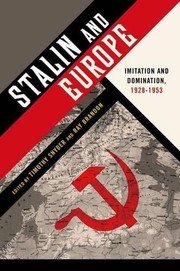
Stalin and Europe
Stalin and Europe by Timothy Snyder and Ray Brandon is a harrowing historical examination of the devastating mass killings, state-sponsored violence, and human suffering that occurred in the borderlands between Germany and the Soviet Union during the twentieth century.
Recommended“bloodlands by Timothy Snyder probably the most upsetting book I've ever read”
-
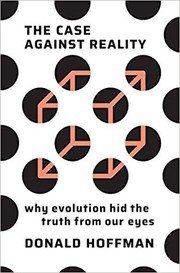
The Case Against Reality
The Case Against Reality by Donald David Hoffman is a provocative cognitive science book that argues evolutionary pressures have shaped human perception to hide objective reality from our eyes in favor of adaptive fitness symbols.
Discussed“yes uh in his bookcase against reality yeah many more than a few”
-
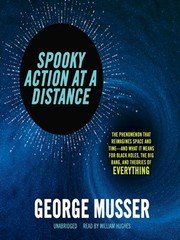
Spooky Action at a Distance
Spooky Action at a Distance by George Musser is a science book that explores the profound and bizarre implications of quantum entanglement and non-locality.
Recommended“George Musser wrote a great book spooky action at a distance um and he talks about he's he's a great science writer and he talks about ways to kind of absorb what this would mean”
Other mentions in this episode (5) — ad reads, self-promotion and passing references, never counted
“It's actually how I started writing my book — I began writing for myself because I needed to spend some time writing down all my thoughts to get clear about how I think about them. So, you write down a sentence, and you think, and then in the silence of paragraphs, you just see if that makes sense, and then”
“and then so your book and then and then it has the rise and fall of the Third Reich”
“and then so your book and then and then it has the rise and fall of the Third Reich uh bloodlands by Timothy Snyder probably the most upsetting book I've ever read”
“and then so your book and then and then it has the rise and fall of the Third Reich uh bloodlands by Timothy Snyder probably the most upsetting book I've ever read”
“I read sojunitsen's um go like archipelago and what else”