Episode · Modern Wisdom · 2022-06-09
Books mentioned on 8 Impossible Thought Experiments - Cosmic Skeptic - #484
Alex O'Connor is a philosopher, podcaster & a YouTuber. Philosophy is hard.
Books mentioned, in the order they came up
-
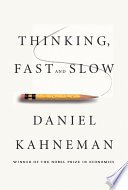
Thinking, Fast and Slow
Thinking, Fast and Slow by Daniel Kahneman is a landmark psychology book that explores the two systems of thought that drive how we make choices, judge situations, and perceive the world around us.
Discussed“daniel kahneman that wrote thinking fast and slogan asked by sam harris on stage”
-
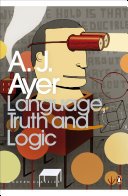
Language, Truth and Logic
Discussed“it was originally put forward by aj ayer in the 20th century in a groundbreaking book called language truth and logic which stated that the only things that can be meaningful are those which are either empirically verifiable”
-
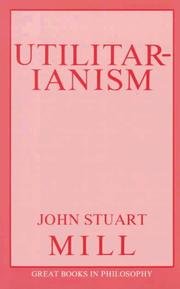
Utilitarianism
Utilitarianism is a classic 1861 philosophical work by John Stuart Mill that defends the ethical theory that actions are right if they promote happiness and wrong if they produce the reverse.
Recommended“it's a if you're trying to read utilitarianism by mill it's worth reading roger crisp alongside him it's just the best kind of introduction to it”
-
Better Never to Have Been
Presenting a rigorous philosophical defense of antinatalism, Better Never to Have Been by David Benatar argues that coming into existence is always a serious harm due to the asymmetry between pleasure and suffering.
Discussed“so one way to establish this conclusion is to say that like david benatar does the famous anti-natalist who who wrote a wonderful book called better never to have been that has a wonderful discussion on the nature of suffering”
-
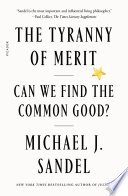
The Tyranny of Merit
The Tyranny of Merit by Michael J.
Recommended“there's a book by uh the harvard professor michael sandel called the tyranny of merit which seeks to undermine the entire idea of meritocracy on these grounds”
-
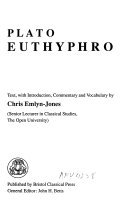
Euthyphro
Discussed“the biggest ethical dilemma that that somebody who thinks that ethics is grounded in god has is known as the euthyphro dilemma comes from plato's euthyphro”