
Episode · Freakonomics Radio · 2024-03-21
Books mentioned on 581. What Both Parties Get Wrong About Immigration
The U.S.
Stephen Dubner discussed Ours Was the Shining Future by David Leonhardt and The Population Bomb by Paul R. Ehrlich. Also mentioned: The Truth About Immigration by Zeke Hernandez.
Books mentioned, in the order they came up
-
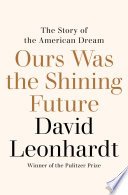
Ours Was the Shining Future
Ours Was the Shining Future by David Leonhardt is an insightful book that examines the trajectory of the American dream, economic inequality, and the historical forces that have shaped the modern working class.
Discussed“in his book Leon Hart describes how John F Kennedy wanted to undo this in the ear 1960s”
Where to get it
-
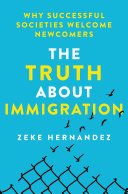
The Truth About Immigration
The Truth About Immigration by Zeke Hernandez is a comprehensive examination that seeks to untangle and clarify the complex realities, facts, and statistics surrounding global migration.
Discussed“That's Zeke Hernandez; he's a professor of management at Wharton and the author of a forthcoming book called 'The Truth About Immigration.' We met him in part one of this series.”
Where to get it
-
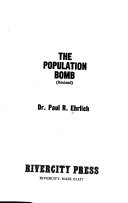
The Population Bomb
The Population Bomb by Paul R.
Discussed“and listeners who were old enough might remember the book the population bomb the fear that the world was going to starve to death because there were too many people”
Where to get it
Other mentions in this episode (3) — ad reads, self-promotion and passing references, never counted
Plugged Ours Was the Shining Future
“David Leonhardt has other talents: I'm a senior writer at The New York Times and I'm the author of 'Ours Was the Shining Future: The Story of the American Dream.' Leonhardt has been writing about immigration for years.”
Plugged Ours Was the Shining Future
“I'm a senior writer at the New York Times and I'm the author of ours was The Shining future the story of the American dream”
Passing The Population Bomb
“Listeners who were old enough might remember the book 'The Population Bomb': the fear that the world was going to starve to death because there were too many people, birth rates were too high, and agricultural production was too low. There was a man named John Tanton in Michigan, an ophthalmologist who was an avid conservationist.”