
Episode · People I (Mostly) Admire · 2025-05-24
Books mentioned on 158. Why Did Rome Fall — and Are We Next?
Historian Tom Holland narrowly escaped a career writing vampire novels to become the co-host of the wildly popular podcast The Rest Is History. At Steve’s request, he compares President Trump and Julius Caesar and explains why the culture wars are arguments about Christian theology.
Steve Levitt recommended Braiding Sweetgrass by Robin Wall Kimmerer, and discussed Rubicon by Tom Holland and Dominion by Tom Holland. Also mentioned: Unforgiving Places by Jens Ludwig.
Books mentioned, in the order they came up
-
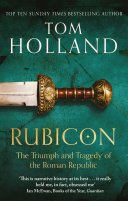
Rubicon
Discussed“Tom Holland wrote a book called Rubicon that tackles the downfall of Rome's democracy.”
Where to get it
-
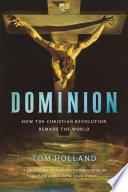
Dominion
Dominion by Tom Holland is a sweeping historical work examining how Christianity shaped Western culture, secular values, and modern moral frameworks.
Discussed“So, you've written a book called Dominion, which if I took away the right message, gives Christianity a surprising amount of credit for much of what is good about modern society, values like human rights and compassion, the sanctity of life.”
Where to get it
-
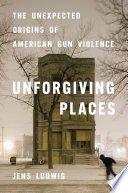
Unforgiving Places
Unforgiving Places by Jens Ludwig is a book that investigates the root causes of American gun violence and explores innovative, evidence-based solutions from the perspective of crime lab research.
Discussed“We had a recent episode with Yens Ludwig, who runs the crime lab at the University of Chicago, and he wrote a book called Unforgiving Places, which explores some innovative solutions to America's gun problem.”
Where to get it
-
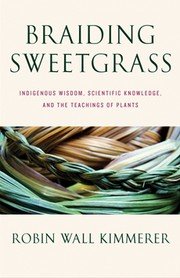
Braiding Sweetgrass
Braiding Sweetgrass by Robin Wall Kimmerer is a renowned exploration of botany, Indigenous wisdom, and humanity's reciprocal relationship with the natural world.
Recommended“And in two weeks, we're back with a brand new episode featuring Robin Wall Kimmerer. She's a botonist whose book Braiding Sweetgrass is one of the most beloved and popular books of the last decade.”
Where to get it
Other mentions in this episode (2) — ad reads, self-promotion and passing references, never counted
“And I remember when I was writing Dominion, I wasn't 100% certain what conclusions I would come to or what path I would take as I was writing it.”
“And so I wrote Rubicon because Rome was what I had particularly loved as a child and going through my teens.”