
Episode · People I (Mostly) Admire · 2024-12-21
Books mentioned on 147. Is Your Gut a Second Brain?
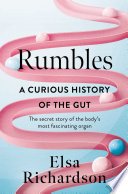
In her book, Rumbles, medical historian Elsa Richardson explores the history of the human gut. She talks with Steve about dubious medical practices, gruesome tales of survival, and the things that medieval doctors may have gotten right.
Steve Levitt discussed Rumbles by Elsa Richardson, The Expression of the Emotions in Man and Animals by Charles Darwin, and The Variations of Animals and Plants Under Domestication, Volume 1 by Charles Darwin.
Books mentioned, in the order they came up
-
Rumbles
Discussed“even one of the things that was interesting to me as I've read this in your book rumbles is that it just shows how little we knew about even the most basic things about digestion into the 1800s”
Where to get it
-
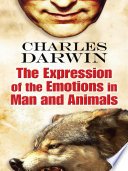
The Expression of the Emotions in Man and Animals
The Expression of the Emotions in Man and Animals by Charles Darwin is a classic scientific text examining the evolutionary origins and universal nature of emotional displays across species.
Discussed“it really reminds me of have you ever read Charles Darwin's expression of emotions in man and animals”
Where to get it
-
The Variations of Animals and Plants Under Domestication, Volume 1
The Variations of Animals and Plants Under Domestication, Volume 1 by Charles Darwin is a foundational scientific work exploring how traits are altered through selective breeding and domestication.
Discussed“it really reminds me of have you ever read Charles Darwin's expression of emotions in man and animals”
Where to get it

Other mentions in this episode (3) — ad reads, self-promotion and passing references, never counted
“Elsa is a medical historian at the University of Strath Glide whose most recent book is entitled rumbles a curious history of the gut”
“it's so interesting because this is not in the book but I've been recently working on do you know the Kellogg Brothers sure of cornflakes”
“It really reminds me of — have you ever read Charles Darwin's "Expression of Emotions in Man and Animals"?”