
Book · 2005 · Automobile parking
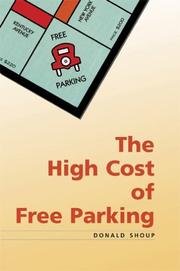
The High Cost of Free Parking
- mentions
- 6
- people
- 3
- podcasts
- 3
- episodes
- 4
- recommendation
- 1
Everybody likes free parking, including me and probably you. But just because the driver doesn't pay for it doesn't mean that the cost goes away.
 Stephen Dubner · Freakonomics Radio · Mar 2013
What they say about it
- References the author and length“an 800 page book”3
The best things said about it
He's the one who's written the book on The High Cost of Free Parking.
You have written extensively on parking including an 800 page book The High Cost of Free Parking.
He is the author of a nearly 800-page book called The High Cost of Free Parking.
Stephen Dubner Freakonomics Radio · Aug 2014 Some transportation officials in San Francisco who had read Donald Shoup's work about The High Cost of Free Parking decided to put one of his theories to the test.
Stephen Dubner Freakonomics Radio · Mar 2013 Where and when it comes up
Most mentions, by podcast
Why people recommend it
The High Cost of Free Parking by Donald C. Shoup is an exhaustive, nearly 800-page examination of how subsidized and mandatory minimum parking policies distort urban economies, worsen traffic, and drive up housing costs. Ed Glaeser recommended Donald Shoup's definitive work on Conversations with Tyler while discussing parking minimums and the economics of urban planning. Russ Roberts interviewed Shoup on EconTalk, acknowledging the massive scope of the book and discussing Shoup's ongoing crusade against misguided municipal parking mandates. Stephen Dubner featured Shoup's research extensively across multiple episodes of Freakonomics Radio, explaining that while everyone loves free parking, the costs do not simply vanish; instead, they are heavily subsidized by drivers and non-drivers alike through inflated prices on goods and real estate. Dubner also noted that transportation officials in San Francisco were directly inspired by Shoup's theories when they decided to pilot a dynamic pricing experiment for municipal parking spaces. Across these conversations, the book is consistently cited as the single most influential text on modern parking economics, prompting cities to reconsider how they manage curb space and urban mobility.
Every mention
Ed Glaeser you've got to ask the great don shoop for that he's he's the one who's written the book on the high cost of… 1
“you've got to ask the great don shoop for that he's he's the one who's written the book on the high cost of free parking”
Stephen Dubner He is the author of a nearly 800-page book called The High Cost of Free Parking. Everybody likes free parki… 3
“He is the author of a nearly 800-page book called The High Cost of Free Parking.”
“He is the author of a nearly 800-page book called The High Cost of Free Parking. Everybody likes free parking, including me and probably you. But just because the driver doesn't pay for it doesn't mean that the cost goes away.”
“Some transportation officials in San Francisco who had read Donald Shoup's work about the high cost of free parking decided to put one of his theories to the test.”
Russ Roberts uh you have written extensively on parking including an 800 page book the high cost of free parking 2
“uh you have written extensively on parking including an 800 page book the high cost of free parking”
“uh you wrote a very large book about it you've continued to write essays about it”