
Episode · Lex Fridman Podcast · 2025-09-19
Lex Fridman & Norman Ohler: books mentioned on Lex Fridman Podcast #481
#481 – Norman Ohler: Hitler, Nazis, Drugs, WW2, Blitzkrieg, LSD, MKUltra & CIA
Norman Ohler is a historian and author of “Blitzed: Drugs in the Third Reich,” a book that investigates the role of psychoactive drugs, particularly stimulants such as methamphetamine, in the military history of World War II.
Norman Ohler recommended Ulysses by James Joyce, The Stranger, The Plague (Coles Notes) by Albert Camus, and Gravity's rainbow by Thomas Pynchon, and discussed On the Road by Jack Kerouac, Mein Kampf by Adolf Hitler, Animal Farm by George Orwell, Sapiens by Yuval Noah Harari, and One Flew Over the Cuckoo's Nest by Ken Kesey. Lex Fridman discussed Man's Search for Meaning by Viktor E. Frankl.
Books mentioned, in the order they came up
-
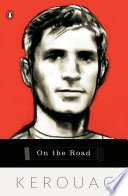
On the Road
On the Road by Jack Kerouac is a seminal autobiographical novel that chronicles the cross-country road trips of its protagonist and captures the restless energy of the Beat Generation.
Discussed“"On the Road" was apparently written in two weeks on amphetamines.”
Where to get it
-
Mein Kampf
Mein Kampf is Adolf Hitler's notorious autobiographical manifesto detailing his political ideology and antisemitic worldview.
Discussed“Also, they were sentenced to prison, and Hitler wrote Mein Kampf in prison.”
Where to get it
-
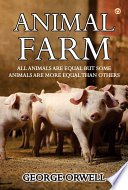
Animal Farm
Animal Farm by George Orwell is a classic allegorical novella that uses a farmyard setting to satirize the corruption of socialist ideals and the rise of totalitarianism following the Russian Revolution.
Discussed“It's like in Animal Farm when the pigs discover alcohol. Animal Farm by George Orwell. There's no evidence that they drank.”
Where to get it
-
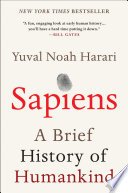
Sapiens
Sapiens: A Brief History of Humankind by Yuval Noah Harari is a sweeping narrative that traces the evolutionary and historical development of the human species from prehistoric bands to modern civilizations.
Discussed“Like Sapiens by Harari, which is a great book, he also misses that. Like, when it comes to those moments, he writes like, "We don't understand how the first cognitive revolution and the second cognitive revolution actually happened."”
Where to get it
-
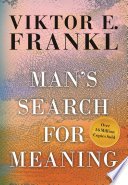
Man's Search for Meaning
Man's Search for Meaning by Viktor E.
Discussed“I mean, one of the things you get from books like Man's Search for Meaning by Viktor Frankl”
Where to get it
-
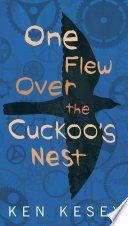
One Flew Over the Cuckoo's Nest
Ken Kesey's classic novel "One Flew Over the Cuckoo's Nest" portrays institutional life and psychiatric practices through the experiences of patients in a mental asylum.
Discussed“So then it spilled out, obviously, because one of the guinea pigs was Ken Kesey. He received 75 US dollars for taking LSD for the CIA, and he was working in Menlo Park in a psychiatric ward. And on LSD, he basically had the idea to write One Flew Over the Cuckoo's Nest.”
Where to get it
-
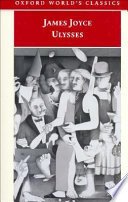
Ulysses
James Joyce's landmark modernist novel Ulysses chronicles an ordinary day in the life of Leopold Bloom in Dublin, mapping human consciousness and daily existence through a revolutionary stream-of-consciousness technique.
Recommended“Yeah, it's Ulysses by James Joyce. Ulysses is good, but only when you're in your early 20s, living in New York, and you're writing your first book, and you just have taken LSD.”
Where to get it
-
The Stranger, The Plague (Coles Notes)
The Stranger by Albert Camus is a foundational philosophical novel that explores themes of existentialism, absurdism, and alienation through the experiences of its protagonist, Meursault.
Recommended“But the most influential book, maybe, is "The Stranger" by Camus. Because I like the language so much, and I'm really mostly interested in language. I don't really care what it's about. I was lying on the beach in Morocco when I was 20 and reading "The Stranger."”
Where to get it
-
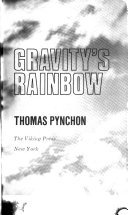
Gravity's rainbow
Gravity's Rainbow by Thomas Pynchon is an epic, complex postmodern novel set near the end of World War II, exploring themes of paranoia, rocketry, entropy, and government conspiracies.
Recommended“So the ones I mentioned, and also then Thomas, Thomas Pynchon. who wrote "Gravity's Rainbow," which I think is one of the best novels of the 20th century. And I read that in Berlin in the late '90s, and it really blew my mind. I thought it... I think it's an absolute masterpiece.”
Where to get it

Other mentions in this episode (4) — ad reads, self-promotion and passing references, never counted
“The following is a conversation with Norman Ohler, author of Blitzed: Drugs in the Third Reich. A book that investigates what role psychoactive drugs, particularly stimulants such as methamphetamine, played in the military history of World War II.”
“He also wrote Tripped: Nazi Germany, the CIA, and the Dawn of the Psychedelic Age.”
“He was quite old, but quite ready to be my mentor for this book, "Blitzed."”
“I mean, that's why I wrote the book, The Bohemians, because there were a few people in Berlin that didn't react this way, but they reacted in a different way. They said, "We cannot be part of this."”