
Episode · The Joe Rogan Experience · 2014-09-02
Joe Rogan & Sam Harris: books mentioned on The Joe Rogan Experience #543
#543 - Sam Harris
Sam Harris is a neuroscientist and author of the New York Times bestsellers, The End of Faith, Letter to a Christian Nation, and The Moral Landscape. His latest book "Waking Up: A Guide to Spirituality without Religion" is available now.
Joe Rogan recommended Waking Up by Sam Harris, and discussed Letter to a Christian Nation by Sam Harris. Sam Harris discussed On Having No Head by Douglas Edison Harding and others.
Books mentioned, in the order they came up
-
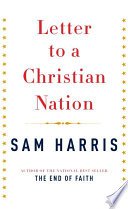
Letter to a Christian Nation
Letter to a Christian Nation by Sam Harris is a provocative critique of organized religion and a defense of secular skepticism written in response to the massive public feedback generated by the author's previous book.
Discussed“I told you I first found out about you from uh my friend Joe Silva, who's the matchmaker uh for the UFC, who gave me your book. He gave me uh letters to a Christian nation uh many, many years ago.”
Where to get it
-
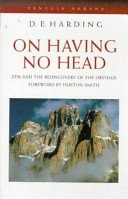
On Having No Head
Douglas Edison Harding's On Having No Head is a concise guide to eastern philosophy and non-dualistic meditation focused on turning attention inward to experience the self as an illusion.
Discussed“I don't know if you ever heard of this writer Douglas Hardin. He was a um a British architect um who wrote a book called on having no head”
Where to get it
-
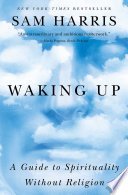
Waking Up
Waking Up: A Guide to Spirituality Without Religion by Sam Harris is an insightful exploration of meditation, consciousness, and the secular aspects of spiritual practice, bridging scientific rationality with inner awareness.
Recommended“Sam Harris, waking up, a guide to spirituality. And that spirituality should be in quotes. Put scare quotes on there without religion.”
Where to get it
Other mentions in this episode (6) — ad reads, self-promotion and passing references, never counted
“My friend Sam Harris, author, awesome dude, martial artist and author of Waking Up, a guide to spirituality without religion.”
“Actually, that was the the thesis of my last book or the book before last, the moral landscape where I talk about how we can understand strong claims of right and wrong and good and evil in the context of science.”
“This is a um this is really in my view a completion of the project I started with the end of faith where you know I I started by just noticing how divisive and unnecessary and and ultimately dangerous our our incompatible religious ideas are”
“And so so the moral landscape was my argument that we can have a strong conception of ethics without believing any [ __ ]”
“Uh why was it unpleasant? Is he angry at you? Well what yeah, I mean what happened is I so I wrote this very short book free will uh which uh was actually there was a short section in in my book the moral landscape”
“Uh why was it unpleasant? Is he angry at you? Well what yeah, I mean what happened is I so I wrote this very short book free will uh which uh was actually there was a short section in in my book the moral landscape”