
Episode · The Diary Of A CEO with Steven Bartlett · 2021-11-15
Steven Bartlett & Jimmy Carr: books mentioned on The Diary Of A CEO with Steven Bartlett (Nov 2021)
Jimmy Carr: The Easiest Way To Live A Happier Life
Jimmy Carr needs no introduction and is one of the biggest names in British comedy. Jimmy has hardly been off our screens for the last two decades.
Steven Bartlett discussed Before and Laughter by Jimmy Carr. Jimmy Carr recommended Tribe by Sebastian Junger, Selfie by Will Storr, Zen and the Art of Making a Living by Laurence G. Boldt, and What color is your parachute? by Richard Nelson Bolles, and discussed Catch-22 by Joseph Heller.
Books mentioned, in the order they came up
-
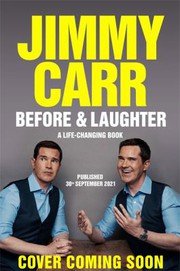
Before and Laughter
Discussed“someone that writes in his brand new book about finding and pursuing your purpose.”
Where to get it
-
Tribe
Tribe by Sebastian Junger is a reflective examination of social cohesion, community, and the psychological impacts of modern isolation compared to traditional societies.
Recommended“There's a great book called Selfie and a great book called Tribe. I remember sort of reading them back to back and thinking, 'Yeah, there's something's going on here.'”
Where to get it
-
Selfie
Selfie by Will Storr examines the cultural and psychological obsession with individual self-esteem, social status, and personal perfection.
Recommended“There's a great book called Selfie and a great book called Tribe. I remember sort of reading them back to back and thinking, 'Yeah, there's something's going on here.'”
Where to get it
-
Zen and the Art of Making a Living
Zen and the Art of Making a Living by Laurence G.
Recommended“I literally went through uh it's two books um Zen and the Art of Making a Living I would recommend to people. It's still available. And there's a book called um What Color Is Your Parachute? They're quite corporate both of them.”
Where to get it
-
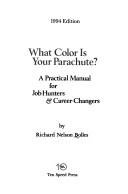
What color is your parachute?
What Color Is Your Parachute? by Richard Nelson Bolles is a classic career-guidance and self-help book designed to help job seekers identify their personal strengths, priorities, and goals through structured introspection.
Recommended“And there's a book called um What Color Is Your Parachute? They're quite corporate both of them.”
Where to get it
-
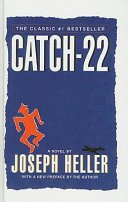
Catch-22
Catch-22 by Joseph Heller is a landmark satirical novel set during World War II that explores bureaucratic absurdity and ironic paradoxes through the experiences of American bomber crews.
Discussed“And Kurt Vonnegut, incredible writer, says to Joseph Heller, 'This guy made more money one day last week than you made out of Catch-22.'”
Where to get it
Other mentions in this episode (6) — ad reads, self-promotion and passing references, never counted
“In a way, I think I mean, part of the reason for the book is I think a lot of people aspire to that. A lot of people want to want to find their purpose and they want to they want to pursue it and you know it's very sad a lot of people don't get to do either.”
“But you know, the premise of the book kind of is there's nothing special about me. It was not preordained that I was going to be a successful comedian touring the world and being on TV.”
“I make a lot of cases in the book for conflated words. Like, you know, words that you sort of think they mean the same thing, but they don't. There's a that's sort of a theme in the book.”
“Um where people are I sort of quote a lot in the book. I use a lot of quotes, because I sort of think quotes are the truth. Like the It's everything else has been burnt away. There's nothing left but these six or seven words that just sum something up.”
“You know, and then it's it's the other thing on life where you kind of go I write in the book quite a lot about money. About the idea of like, what is it? What's going on there? Cuz it's such a powerful thing. We spend so much of our lives. We give up so much for these tokens.”
“Yeah, I mean, I I spoke about it in the book because I think it's a um I wanted to kind of deliver on Listen, if I hadn't talked about the tax thing in the book, I think people readers would have felt short-changed. Very much like HMRC did.”