
Episode · The Tucker Carlson Show · 2026-07-13
Books mentioned on Jay Dyer: Demons in Hollywood, CIA, Secret Societies, Lone Gunmen, Epstein & Attacks on Christianity
More people than ever are discovering there’s true evil in the world and they’re turning to God for answers. Jay Dyer explains the growing popularity of the Orthodox Church.
Jay Dyer recommended Iustitia Dei by Alister E. McGrath, and discussed The City of God by St. Augustine, The Harvest of Medieval Theology by Heiko Augustinus Oberman, The Rosicrucian Enlightenment by Frances Yates, God the Invisible King by H.G. WELLS, A Brief History of the Future by Jacques Attali, Brave New World by Aldous Huxley, The perennial philosophy by Aldous Huxley, and Orthodoxy and the Religion of the Future by Seraphim Rose. Tucker Carlson discussed Confessions by St Augustine.
Books mentioned, in the order they came up
-
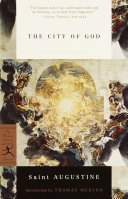
The City of God
The City of God by St.
Discussed“I read St. Augustine's City of God. I read a bunch of his other works”
Where to get it
-
Confessions
Discussed“I know that when I went to college, the only thing that we talked about from that whole period was like Augustine's confessions and maybe, maybe one other book or two”
Where to get it
-
The Harvest of Medieval Theology
Discussed“There's a book called harvest of medieval theology by Heiko Obermann and the whole thesis of that book by a Lutheran is that Yeah, Luther had to use nominalism.”
Where to get it
-
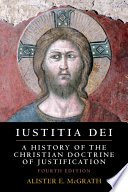
Iustitia Dei
Iustitia Dei by Alister E.
Recommended“And even modern scholarship in the Protestant world is a great book by, uh, Alistair McGrath out of England. Uh, I think he's Anglican is called Eusticia day”
Where to get it
-
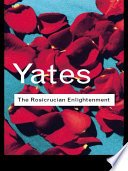
The Rosicrucian Enlightenment
Discussed“according to there's a great book by a Dame Francis Yates called, uh, Rosicruchian enlightenment. She actually argues that the enlightenment itself was heavily influenced by Rosicretion ideology.”
Where to get it
-
God the Invisible King
Discussed“He says in his book, God, the invisible King, he says, you might think that in the coming technocracy, brave new world, you're going to be atheists. No, no, no.”
Where to get it
-
A Brief History of the Future
A Brief History of the Future by Jacques Attali is a provocative speculative non-fiction book that outlines potential global trajectories, economic shifts, and technological transformations over the coming decades.
Discussed“But I think, you know, some of the most telling books are like Jacques Attali's book, Brief History of the Future. That book was written in 2006”
Where to get it
-
Brave New World
Aldous Huxley's Brave New World is a chilling dystopian masterpiece that envisions a technologically advanced future society sustained by pharmacological distraction, engineered conformity, and the systematic eradication of deep human emotion and critical thought.
Discussed“He says, not just in brave new world, but he wrote another book people don't know about called the perennial philosophy.”
Where to get it
-
The perennial philosophy
The perennial philosophy by Aldous Huxley is a comparative study of mysticism and religion that compiles writings from various spiritual traditions to argue for underlying universal truths shared across human cultures.
Discussed“He says, not just in brave new world, but he wrote another book people don't know about called the perennial philosophy.”
Where to get it
-
Orthodoxy and the Religion of the Future
Orthodoxy and the Religion of the Future by Seraphim Rose is a critical theological text that examines modern alternative spiritualities, new religious movements, and the convergence of esoteric philosophies.
Discussed“So Theosophy is another great example of this kind of religion of the future that Father Seraphim Rose talked about, in fact, he highlights Theosphy as one of the key elements in his famous book, Orthodoxy and the Religion of the Future”
Where to get it



Other mentions in this episode (1) — ad reads, self-promotion and passing references, never counted
“You wrote a book on what called esoteric Hollywood, which is basically revealing, analyzing and revealing the religious symbolism within popular art.”