
Episode · Behind the Bastards · 2023-10-14
Books mentioned on It Could Happen Here Weekly 102
All of this week's episodes of It Could Happen Here put together in one large file You can now listen to all Cool Zone Media shows, 100% ad-free through the Cooler Zone Media subscription, available exclusively on Apple Podcasts. So, open your Apple Podcasts app, search for “Cooler Zone Media” and subscribe today!
Mentioned: The Colonizer and the Colonized by Albert Memmi and The Souls of Black Folk by W. E. B. Du Bois.
Books mentioned, in the order they came up
-
The Colonizer and the Colonized
Discussed“French Tunisian writer Albert Mei wrote uh what I consider to be a very essential work on the relationship between the colonizer and the colonized. Uh that work that book is called the colonized and the colonized.”
Where to get it
-
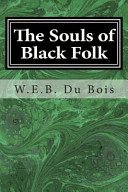
The Souls of Black Folk
W.
Discussed“Double consciousness is a particularly useful concept uh first coined by web de boys in the souls of black folk in 1903. He was speaking specifically about African-Americans”
Where to get it

Other mentions in this episode (3) — ad reads, self-promotion and passing references, never counted
Passing The Wretched of the Earth
“this work is often held up with other important works in that anti-colonial millu including France Fenon's wretched of the earth black skin white masks and ima's discourse on colonialism”
Passing Black Skin, White Masks
“this work is often held up with other important works in that anti-colonial millu including France Fenon's wretched of the earth black skin white masks and ima's discourse on colonialism”
Passing Discourse on Colonialism
“this work is often held up with other important works in that anti-colonial millu including France Fenon's wretched of the earth black skin white masks and ima's discourse on colonialism”