
Episode · Conversations with Tyler · 2025-10-15
Books mentioned on George Selgin on the New Deal, Regime Uncertainty, and What Really Ended the Great Depression
George Selgin has spent over four decades thinking about money, banking, and economic history, and Tyler has known him for nearly all of it.
Books mentioned, in the order they came up
-
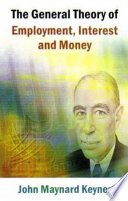
General Theory Of Employment , Interest And Money
The General Theory of Employment, Interest and Money by John Maynard Keynes is a foundational 1936 economic treatise that revolutionized macroeconomics by introducing concepts like aggregate demand, government intervention, and the role of uncertainty in shaping market cycles.
Critiqued“His piece on protectionism, his call in the general theory to nationalize investment, course, those are some pretty bad recommendations, even though he got some things quite right.”
-
As we go marching
Discussed“there's a book you may know by John Flynn it was called as we go marching and he argued the New Deal was bringing a kind of semi-fascistic planning to the United States how correct was Flynn how does that book hold up”
-
Prices and production
Discussed“This is in prices and production and other works by Hayek and he's very good on that.”
-
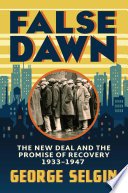
False Dawn
False Dawn by George Selgin is a historical and economic book that examines the early period of the New Deal and the complexities of economic recovery during the Great Depression.
Recommended“Again, a plug for George's book, False Dawn, the very best book on its topic. Congratulations, George, and thank you very much.”
Other mentions in this episode (3) — ad reads, self-promotion and passing references, never counted
Own book False Dawn
“He has a new book out called False Dawn: The New Deal and the Promise of Recovery, 1933 to 1947.”
Own book The theory of free banking
“And by the way, my first my first book, the theory for banking, it puts forward a a proposal or an ideal of a frozen monetary base, fiat money.”
Passing The theory of free banking
“I got into the money stuff with Larry's book and all and so I became libertarian on money by by virtue of of asking the question well do we need this much government in money and disc and coming to the conclusion that we don't.”