
Episode · Modern Wisdom · 2022-09-26
Books mentioned on An Economist’s Guide To Life’s Big Decisions - Russ Roberts - #531
Russ Roberts is an economist, a research fellow at Stanford University, an author and a podcaster. Economics promised us a model which works for all of life's decisions.
Chris Williamson discussed The Moral Animal by Robert Wright. Russ Roberts discussed Transformative Experience by L. A. Paul, The Theory of Moral Sentiments by Adam Smith, and Getting Things Done by David Allen.
Books mentioned, in the order they came up
-
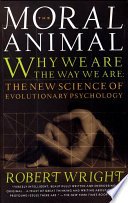
The Moral Animal
The Moral Animal by Robert Wright is an influential exploration of evolutionary psychology that examines how natural selection has shaped human nature, morality, relationships, and social behavior.
Discussed“and I've got a little description that I took out the first book I ever learned about it in which was the moral Animal by Robert Wright from 1993.”
Where to get it
-
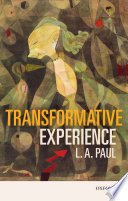
Transformative Experience
Transformative Experience by L.
Discussed“so the vampire idea comes from the philosopher L.A Paul of Yale University and her book transformative experiences that I Riff on in my book”
Where to get it
-
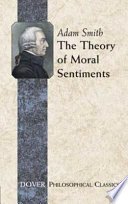
The Theory of Moral Sentiments
The Theory of Moral Sentiments by Adam Smith is a seminal 1759 work of moral philosophy that examines the psychological foundations of human judgment, empathy, and social order.
Discussed“and it's consistent with what uh Adam Smith says in uh his theory of moral sentiments he says when you have a really horrible trip”
Where to get it
-
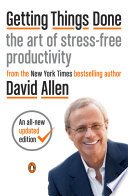
Getting Things Done
Getting Things Done by David Allen is a widely influential productivity manual that outlines a systematic method for organizing tasks, clearing the mind, and achieving stress-free efficiency.
Discussed“they were pomodoroing 25 minutes on and five minutes after getting things done yes yeah they were David allening their way through the world”
Where to get it
Other mentions in this episode (1) — ad reads, self-promotion and passing references, never counted
“one of the reasons is that they overlay the entire experience of life I argue in the in my book they give texture to Everyday Life in it”