
Episode · No Stupid Questions · 2024-11-28
Books mentioned on 221. Why Are We So Pessimistic? | No Stupid Questions
Angela Duckworth discussed Enlightenment Now by Steven Pinker and The Better Angels of Our Nature by Steven Pinker. Also mentioned: High Conflict by Amanda Ripley.
Books mentioned, in the order they came up
-
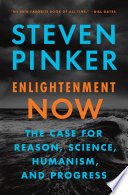
Enlightenment Now
Discussed“I mean I don't know Stephen Pinker at all but his book Enlightenment now so well I'm familiar with the work better angels of our nature”
Where to get it
-
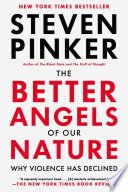
The Better Angels of Our Nature
Discussed“better angels of our nature which I think preceded Enlightenment now right”
Where to get it
-
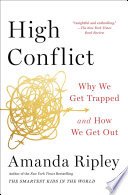
High Conflict
Discussed“the term was popularized by journalist Amanda Ripley in her 2021 book high conflict why we get trapped and how we get out”
Where to get it
Other mentions in this episode (3) — ad reads, self-promotion and passing references, never counted
Plugged Grit
“Research psychologist Angela Duckworth (author of "Grit") and tech and sports executive Mike Maughan really like to ask people questions, and they believe there’s no such thing as a stupid one.”
Passing High Conflict
“The term was popularized by journalist Amanda Ripley in her 2021 book High Conflict: Why We Get Trapped and How We Get Out.”
Passing Life Is So Good
“Prer was following in the footsteps of many other Americans who learned to read late in life, including the famous George Dawson, the grandson of a formerly enslaved person who learned to read at 98 and co-authored a book at 101.”