Book · 2010 · Social Science
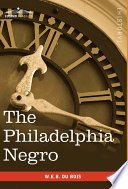
The Philadelphia Negro
- mentions
- 2
- people
- 2
- podcasts
- 2
- episodes
- 2
- recommendations
- 0
Dubo, `` the Philadelphia Negro at the turn of the 20th century, `` is, `` quick to point out that there was, `` that there was crime.
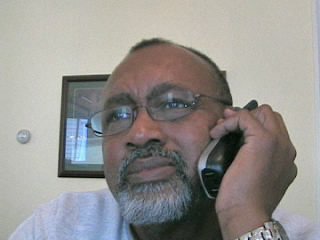 Glenn Loury · The Tucker Carlson Show · May 2025 Listen at 33:39
The best things said about it
Look at Du Bois, Philadelphia Negro. Look at what they ask in the back of that in 1895.
Why people recommend it
The Philadelphia Negro by W.E.B. Du Bois is a landmark sociological study that meticulously investigates the social and economic conditions of African Americans living in Philadelphia during the late nineteenth century. The foundational text was highlighted in contemporary podcast discussions regarding the historical roots of urban crime and racial inequality. On an episode of The Tucker Carlson Show, guest Glenn Loury referenced Du Bois's turn-of-the-century research to discuss the historical realities of urban crime rates in Philadelphia, noting that the sociologist's work was quick to document these occurrences objectively. Similarly, Roland Fryer mentioned the classic study on an episode of EconTalk, pointing listeners toward the comprehensive data and inquiries gathered in the back of the 1895 publication to illustrate the long-standing historical desire of Black Americans simply to secure a fair and equitable chance to compete in society. Across these discussions, Du Bois's pioneering sociological work is invoked to provide empirical depth to ongoing debates regarding race, systemic disadvantage, and American history.
Every mention
Glenn Loury Dubo, `` the Philadelphia Negro at the turn of the 20th century, `` is, `` quick to point out that there wa… 1
“Dubo, `` the Philadelphia Negro at the turn of the 20th century, `` is, `` quick to point out that there was, `` that there was crime.”
Roland Fryer Look at Du Bois, Philadelphia Negro. Look at what they ask in the back of that in 1895. 1
“Look at Du Bois, Philadelphia Negro. Look at what they ask in the back of that in 1895.”