
Why people recommend it
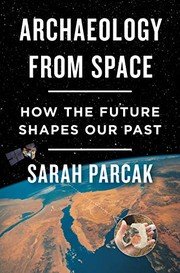
Archaeology from Space: How the Future Shapes Our Past by Sarah Parcak is an engaging nonfiction book detailing how satellite imagery, remote sensing technology, and space-based observations are revolutionizing the discovery and preservation of lost archaeological sites on Earth. On an episode of StarTalk Radio, host Neil deGrasse Tyson welcomed the author and introduced her 2019 book published by Henry Holt, complimenting its sensible and descriptive title while confirming her pioneering credentials in the field of space archaeology. Tyson and his guest explored how modern technological advancements allow researchers to uncover hidden structures, ancient temples, and mysterious geoglyphs without ever lifting a shovel. Additionally, on Conversations with Tyler, Tyler Cowen brought up the work at the beginning of their interview, explicitly stating that he very much liked reading the publication. Cowen and other commentators praised the book for making cutting-edge scientific exploration accessible and exciting to the general public. Together, these podcast episodes highlighted how the publication successfully demystifies the modern archaeological process, showcasing the fascinating intersection between advanced aerospace technology and the preservation of human history.
Who recommended it
- Tyler Cowen Discussed
Tyler Cowen — 1 mention
“and i very much liked her book archaeology from space how the future shapes our past”
Mentioned on the show without a named speaker — 2
“And recently you have a book, sensibly titled 'Archaeology from Space: How the Future Shapes Our Past'.”
“And your 2019 book with Henry Holt, 'Archaeology from Space: How the Future Shapes Our Past.'”
Also mentioned in the same episodes
Other mentions (2: passing, ad reads, own books)
“one of the things i worked really hard on in archaeology from space um is you know a third of the archaeologists that are mentioned in the book are indigenous archaeologists”
“sarah park thank you very much and again here is sarah's book archaeology from space”