
Book · 1976 · Computers
Algorithms + Data Structures
- mentions
- 1
- person
- 1
- podcast
- 1
- episode
- 1
- recommendation
- 1
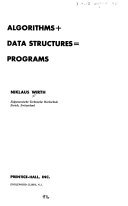
I usually recommend the same but the the one book that was like the it book for me when I was younger and it's called algorithms plus data structures equals programs by Nicholas V uh the inventor of Pascal and then later modular and Oberon and whatever and it's a it's a book that is light on math and symbolism.
Why people recommend it
Algorithms + Data Structures = Programs by Niklaus Wirth is a classic computer science text that explores the fundamental building blocks of software development through the lens of structured programming. On The Peterman Pod, when host Ryan Peterman asked for a technical book recommendation, Anders Hejlsberg shared that this particular volume was the definitive text for him during his formative years. Hejlsberg reflected on the author, noting that Wirth was the inventive mind behind influential programming languages such as Pascal, Modula, and Oberon. He praised the book for presenting complex computational concepts in a manner that was refreshingly light on heavy mathematics, making the core principles of algorithm design and data structuring accessible yet profoundly illuminating for aspiring programmers. The recommendation highlighted the book's historical significance in shaping the thinking of pioneering software architects, demonstrating how clear, elegant explanations of fundamental programming concepts can leave a lasting impact on a developer's career trajectory and approach to building efficient software systems.
Every mention
Anders Hejlsberg I usually recommend the same but the the one book that was like the it book for me when I was younger and i… 1
“I usually recommend the same but the the one book that was like the it book for me when I was younger and it's called algorithms plus data structures equals programs by Nicholas V uh the inventor of Pascal and then later modular and Oberon and whatever and it's a it's a book that is light on math and symbolism”