
Person
Every book Guido van Rossum recommended on podcasts
Key facts
- Guido van Rossum has recommended or discussed 2 books on podcasts, as of November 22, 2018.
- Guido van Rossum has talked about books on 1 podcast, as of November 22, 2018.
- Those books came up in 1 episode, as of November 22, 2018.
- The 2 books Guido van Rossum has mentioned in the most episodes, as of November 22, 2018: Conway's Game of Life and Surfaces and Essences.
- The latest episode with a book mention from Guido van Rossum aired on November 22, 2018.
Updated
Books Guido van Rossum recommended or discussed
-
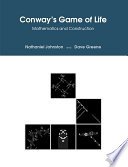
Conway's Game of Life
Discussed“actually someone pointed out to me that there was this thing called Conway's Game of Life you're probably familiar with it”
Where to get it
-
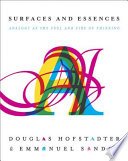
Surfaces and Essences
Discussed“I think the most the most influential thing that I read in my early 20s was girlish ABBA that was about consciousness and that was a big eye-opener in in some sense”
Where to get it
Appearances
| Episode | Podcast | Date | Books |
|---|---|---|---|
| Guido van Rossum: Python | Lex Fridman Podcast | 2018-11-22 | 2 |
Other mentions (1: passing, ad reads, own books)
Passing Study Guide
“If you think a bit more about it, or you just read in your book about the history of math, one of the first algorithms ever written down notes that all you have to do is check if it’s divisible by any of the previous prime numbers that are smaller than the square root. Before you get to a better”