
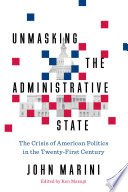
Book · 2019 · Political Science
Unmasking the Administrative State
The Crisis of American Politics in the Twenty-First Century
- mentions
- 1
- person
- 1
- podcast
- 1
- episode
- 1
- recommendation
- 1
The first I would recommend is a book by my mentor John Marini, Claremont Institute scholar called unmasking the administrative state which I think has helped me more than anything understand the deeper philosophical and political underpinnings of our modern dilemma.
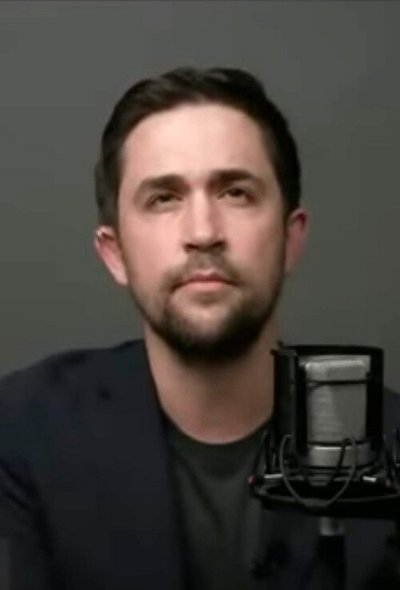 Christopher Rufo · The Ezra Klein Show · Jun 2026 Listen at 2:01:21
Why people recommend it
Unmasking the Administrative State by John Marini is a political science text that examines the constitutional and philosophical challenges posed by the modern bureaucratic apparatus in the United States. On an episode of The Ezra Klein Show titled "What Has Chris Rufo Wrought? | The Ezra Klein Show" released on June 30, 2026, guest Christopher Rufo recommended the book when asked for his reading suggestions. Rufo identified the author as his mentor and a scholar at the Claremont Institute, explicitly stating that the work was the first title he would recommend to listeners. He explained that the book had helped him more than any other text to comprehend the deeper philosophical and political underpinnings of the modern political dilemma facing the nation. The recommendation provided insight into the intellectual frameworks shaping conservative critiques of institutional governance and regulatory power. Rufo's endorsement positioned the book as an essential foundational text for anyone seeking to understand the ideological roots of contemporary debates surrounding government bureaucracy and executive authority.
Every mention
Christopher Rufo The first I would recommend is a book by my mentor John Marini, Claremont Institute scholar called unmaskin… 1
“The first I would recommend is a book by my mentor John Marini, Claremont Institute scholar called unmasking the administrative state which I think has helped me more than anything understand the deeper philosophical and political underpinnings of our modern dilemma.”