
Book · 2014 · Fiction
The Sorrows of Young Werther
- mentions
- 4
- person
- 1
- podcast
- 1
- episodes
- 3
- recommendations
- 0
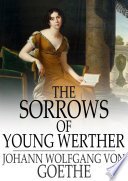
So we're going to have to go all the way back to 1774 when this novel came out. The Sorrows of Young Werther by Johann Wolfgang von Goethe.
The best things said about it
The Sorrows of Young Werther by Johann Wolfgang von Goethe. May 4th. How happy I am that I am gone. For those of you who have never read it, I had never read it, The Sorrows of Young Werther was written mostly as a series of fictional letters by a young dilettante artist named Werther.
Why people recommend it
The Sorrows of Young Werther is an epistolary novel by Johann Wolfgang von Goethe that chronicles the intense, unrequited romantic passion and ultimate tragic demise of a young artist. On Freakonomics Radio, reporter Sean Cole and guest hosts referenced the 1774 masterpiece across multiple broadcasts exploring the psychological phenomenon known as the Werther effect and the broader history of imitative suicides. The podcast discussed how the novel, told primarily through fictional letters written by the protagonist Werther, achieved massive popularity upon its initial publication. The hosts explained that the book gained historical notoriety not only for its literary brilliance but also because its publication coincided with a wave of real-world copycat suicides among impressionable young readers who mirrored the protagonist's fatal despair. This cultural reaction led authorities in various regions to ban or restrict the book, cementing its place in psychiatric and cultural history as a prime early example of media contagion. By examining Goethe's classic work, the podcast illustrated the profound and sometimes dangerous impact that tragic storytelling can exert on public behavior, distinguishing between fictional narratives and contemporary sociological research into real-world suicide clusters.
Every mention
Sean Cole The Sorrows of Young Werthe was written mostly as a series of fictional letters by a young, dilettante arti… 1
“The Sorrows of Young Werthe was written mostly as a series of fictional letters by a young, dilettante artist named Werthe.”
Mentioned on the show without a named speaker3
“So we're going to have to go all the way back to 1774 when this novel came out. The Sorrows of Young Werther by Johann Wolfgang von Goethe.”
“Now, Werther is a work of fiction. But The Werther Effect focuses more on true stories about suicide.”
“The Sorrows of Young Werther by Johann Wolfgang von Goethe. May 4th. How happy I am that I am gone. For those of you who have never read it, I had never read it, The Sorrows of Young Werther was written mostly as a series of fictional letters by a young dilettante artist named Werther.”
Also mentioned in the same episodes
Other mentions (1: passing, ad reads, own books)
“Like Werte, he's in suicidal crisis over a girl, his beloved Papageno. But just as he's about to hang himself, three young boys rush the stage and tell him not to do it.”