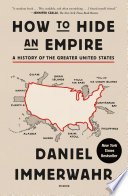
Book · 2019 · History
How to Hide an Empire
A History of the Greater United States
- mentions
- 7
- people
- 3
- podcasts
- 3
- episodes
- 4
- recommendation
- 1
Have you read How to Hide an Empire? No. Okay. It's a history of the greater United States.
 Ryan Holiday · The Daily Stoic · Aug 2026 Listen at 58:25
What they say about it
- Discusses historical events“history of the greater United States”3
The best things said about it
Instead, the US choreographed a mock battle with Spain that eventually led to them handing over their colony to the US.
American GIS tortured Filipino gorillas by administering the quote unquote water cure.
So, to start, I should say that that kind of ideological game about the US logo map is almost wholeheartedly ripped from the beginning of Daniel Immoir's How to Hide an Empire.
Where and when it comes up
Most mentions, by podcast
Why people recommend it
How to Hide an Empire by Daniel Immerwahr is a sweeping historical account that examines the overseas territories and greater expanse of the United States. Ryan Holiday recommended the history book on The Daily Stoic, highlighting how it reframes common perceptions of American provinces and geography. Meanwhile, Behind the Bastards hosted several discussions that heavily utilized Immerwahr's research. James Stout cited the text to explain the historical mechanics behind US intervention in Cuba, the choreographed mock battles and subsequent handover of the Philippines during the Spanish-American War, and the harsh torture methods deployed by American soldiers against Filipino guerrillas. Stout also referenced the book alongside other sources to explore the purchase of Alaska and its natural resources. In earlier episodes of the same podcast, Carlos noted that his discussion of the traditional US logo map and hidden territories was largely inspired by the opening chapters of Immerwahr's work. Additionally, Jennifer Szalai highlighted the non-fiction book during a year-end review discussion on The Book Review podcast, affirming its significant critical reception.
Every mention
Ryan Holiday Have you read How to Hide an Empire? No. Okay. It's a history of the greater United States. 1
“Have you read How to Hide an Empire? No. Okay. It's a history of the greater United States.”
James Stout So, per how to hide an empire, the US government and the US media wanted to intervene, but anti-imperialist… 4
“So, per how to hide an empire, the US government and the US media wanted to intervene, but anti-imperialists in Congress.”
“Instead, the US choreographed a mock battle with Spain that eventually led to them handing over their colony to the US per How to hide an empire.”
“And according to How to Hide an Empire, American GIS tortured Filipino gorillas by administering the quote unquote water cure, a torture method similar to the water boarding which has happened in Vietnam and Afghanistan.”
“According to how to hide an empire and an article in the conversation titled, why Russia gave up Alaska, America's gateway to the Arctic by William L. Igyaguk Hinsley.”
Jennifer Szalai another book was how to hide an Empire by Daniel imir 1
“another book was how to hide an Empire by Daniel imir”
Mentioned on the show without a named speaker1
“So, to start, I should say that that kind of ideological game about the US logo map is almost wholeheartedly ripped from the beginning of Daniel Immoir's How to Hide an Empire.”