Why people recommend it
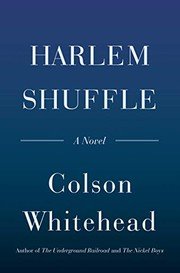
Harlem Shuffle by Colson Whitehead is a richly textured historical crime novel set in 1960s New York that follows a furniture salesman navigating the criminal underworld while trying to maintain his respectability. Author Colson Whitehead and host Gilbert Cruz discussed the book in depth during a July 2024 episode of The Book Review. Whitehead reflected on the unique creative challenge of writing a sequel, noting that he was already halfway through drafting the follow-up, Crook Manifesto, before the first book even hit the shelves, which created some anxious moments regarding its public reception. He also elaborated on the book's narrative structure, specifically detailing a chaotic night of madness where a corrupt cop forces the protagonist through a series of harrowing adventures across Harlem. Cruz praised Whitehead's intentional shift into a new literary mode with the novel, contrasting its vibrant 1964 World's Fair setting of jet-age optimism with the darker desperation of subsequent chapters. They also explored the author's distinct stylistic choices, including the deliberate carrying over of minor characters like Zippa and the whimsical, colorful naming conventions used for the expansive cast of memorable figures inhabiting the gritty urban landscape.
Who recommended it
- Colson Whitehead Discussed
- Gilbert Cruz Discussed
- Pamela Paul Discussed
- Jumana Katib Discussed
Colson Whitehead — 5 mentions
“he's a divided nature and over the course of first book Harlem Shuffle and then this book crook Manifesto”
“I was halfway through crook Manifesto when Harlem Shuffle came out so it would have been very embarrassing if everyone hated Harlem Shuffle and here I am with here's my sequel to the book no one liked also”
“in Harlem Shuffle there is a um a night of Madness a corrupt cop takes carne on a series of Adventures across a terrible night in Harlem”
“I am trying to think of the person who's starting with this book I'm trying not to bore the person who read Harlem Shuffle two years ago or longer years from now”
“zippa was a minor character in Harlem Shuffle I was planning the second book and trying to figure out who auditioning who would come back”
Gilbert Cruz — 5 mentions
“the reception to your previous book Harlem Shuffle was an interesting one I thought because it seems to have match your desire to to move into to a different mode right”
“it's much more desperate than say the 1964 uh section of of Harlem Shuffle which took place during the World's Fair in this time of op jet age optimism”
“one of the things I love about these two books to be honest maybe it's a small thing maybe it's not to but it's the names Momo Mike yella T-Bone given put put Lewis there's a guy in the first book named lelot St John are just do you put a bunch of stuff in a hat”
“one thing that recurs in these books at least to me is the way that you use the city and some of its features is as metaphor right so in Harlem Shuffle you write everyone had secret corners and alleys that no one saw What mattered were your major streets and boulevards the stuff that showed up in other people's”
“the 125th Street of Harlem Shuffle is gone because now Nike stores and Shake Shack and GAP and Magic Johnson theaters”
Pamela Paul — 2 mentions
“Coulson White had joins us now from Manhattan his latest novel is Harlem Shuffle”
“and then in this book Harlem Shuffle you were in the 1960s”
Jumana Katib — 1 mention
“his first one came out in 2021 it was called Harlem Shuffle”
Also mentioned in the same episodes
- Crook Manifesto
- The Nickel Boys
- The Underground Railroad
- A Time of Gifts
- All the Sinners Bleed
- Between the Woods and the Water
Other mentions (4: passing, ad reads, own books)
“today I'm joined by Coulson Whit most recently the author of crook Manifesto and Harlem Shuffle two crime novel set in Harlem during the' 60s and' 70s”
“he's back with crooked Manifesto a sequel to his novel Harlem Shuffle”
“some of my characters like pepper who was a seasoned criminal in the Harlem Shuffle who's seen it all”
“but I'm now doing a second book about Carney in the 1970s”