Book · 2000 · History
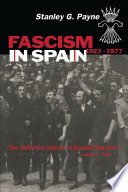
Fascism in Spain, 1923–1977
- mentions
- 3
- person
- 1
- podcast
- 1
- episodes
- 2
- recommendations
- 0
In his landmark book, Fascism in Spain, scholar Stanley Payne notes that the military resistance to the left had less to do with politics than you might expect.
Why people recommend it
Fascism in Spain, 1923–1977 by Stanley G. Payne is a comprehensive historical examination of the rise and fall of fascist movements and political violence in twentieth-century Spain. Robert Evans cited this landmark scholarly book extensively on Behind the Bastards during a series covering the Spanish Civil War and the origins of Spanish fascism. Evans read directly from Payne's work to describe how military resistance from figures like Primo de Rivera began as a classic pronunciamento in Barcelona, marking the inception of authoritarian rule. Furthermore, Evans used the book to trace the escalation of political bloodshed, noting a critical turning point on June 10th when authorities prohibited young socialists from marching in the streets of Madrid. Through these detailed citations, Evans illustrated the volatile socio-political conditions that enabled fascist forces to consolidate power and ultimately dismantle democratic institutions across the nation.
Every mention
Robert Evans And I'm going to quote now from a book called Fascism in Spain about like this revolt that D. Rivera leads.… 3
“And I'm going to quote now from the book Fascism in Spain. The point of inflection in the political violence took place on Sunday, June 10th. The chibberies of the young socialists had been prohibited by authorities from marching in the streets of Madrid”
“In his landmark book, Fascism in Spain, scholar Stanley Payne notes that the military resistance to the left had less to do with politics than you might expect.”
“And I'm going to quote now from a book called Fascism in Spain about like this revolt that D. Rivera leads. The revolt began in Barcelona as a classic pronunci.”