Book · 2001 · Medical
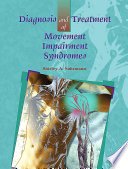
Diagnosis and Treatment of Movement Impairment Syndromes- E-Book
- mentions
- 6
- people
- 2
- podcast
- 1
- episode
- 1
- recommendation
- 1
He also mentioned to me that "Diagnosis and Treatment of Movement Impairment Syndromes is probably the book…" and I'm quoting him here, "...is probably the book that has influenced me more than any other in my career. It's worth every penny.
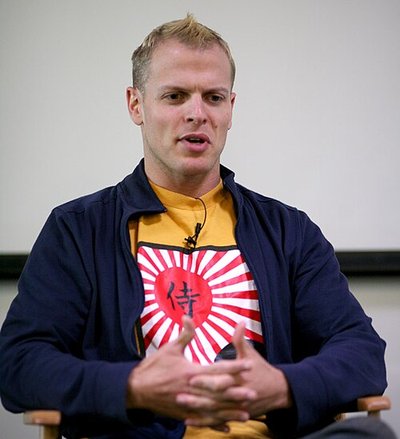 Tim Ferriss · The Tim Ferriss Show · Aug 2023 Listen at 9:18
What they say about it
- Translated into seven languages“translated into seven languages”2
The best things said about it
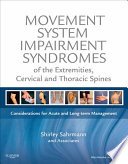
Diagnosis and Treatment of Movement Impairment Syndromes, which has been translated into seven languages, as well as your second book, Movement System Impairment Syndromes of the Extremities, Cervical and Thoracic Spines, has been very influential in promoting movement diagnoses.
Tim Ferriss The Tim Ferriss Show · Aug 2023 Her first book, Diagnosis and Treatment of Movement Impairment Syndromes—you may have heard Eric Cressey mention this; it was a hugely influential book for him—has been translated into seven languages.
Tim Ferriss The Tim Ferriss Show · Aug 2023 What this book was about was a first attempt to really put together diagnostic categories that are based on movement and movement as an inducer of musculoskeletal problems.
Why people recommend it
Diagnosis and Treatment of Movement Impairment Syndromes by Shirley Sahrmann is a foundational physical therapy textbook that establishes diagnostic categories based on movement and identifies movement as a primary inducer of musculoskeletal problems. Appearing on The Tim Ferriss Show, Dr. Shirley Sahrmann explained that her work represents an initial attempt to organize clinical observations around functional movement patterns. Tim Ferriss highlighted the book during the episode, noting that it has been translated into seven languages and recounting how performance coach Eric Cressey found it to be the most influential publication in his entire career, considering it worth every penny. Ferriss ultimately directed listeners toward this text alongside her second book at the conclusion of the interview. Throughout their conversation, Sahrmann contrasted her diagnostic framework with traditional physical therapy approaches. She emphasized that practitioners must actively guide patients and show them how to perform movements correctly, because general exercise alone will not alter ingrained movement dysfunction. By addressing how the body moves rather than merely treating isolated symptoms, Sahrmann's publication has provided clinicians and coaches worldwide with vital frameworks for improving patient outcomes, correcting long-standing postural habits, and preventing recurring injuries across diverse populations.
Every mention
Tim Ferriss And certainly people can find your books, the Diagnosis and Treatment of Movement Impairment Syndromes, whi… 3
“Her first book, Diagnosis and Treatment of Movement Impairment Syndromes—you may have heard Eric Cressey mention this; it was a hugely influential book for him—has been translated into seven languages.”
“He also mentioned to me that "Diagnosis and Treatment of Movement Impairment Syndromes is probably the book…" and I'm quoting him here, "...is probably the book that has influenced me more than any other in my career. It's worth every penny."”
“And certainly people can find your books, the Diagnosis and Treatment of Movement Impairment Syndromes, which has been translated into seven languages, as well as your second book, Movement System Impairment Syndromes of the Extremities, Cervical and Thoracic Spines, has been very influential in promoting movement diagnoses.”
Shirley A. Sahrmann What this book was about was a first attempt to really put together diagnostic categories that are based on… 3
“What this book was about was a first attempt to really put together diagnostic categories that are based on movement and movement as an inducer of musculoskeletal problems.”
“That's very different than what I'm proposing, or have proposed with this book.”
“I think that's been part of what's been picked up in my book is that you have to bring people along, show them how to do that, and that exercise won't change the way you move.”