Book · 2016 · History
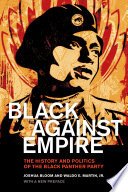
Black against Empire
The History and Politics of the Black Panther Party
- mentions
- 10
- person
- 1
- podcast
- 1
- episodes
- 2
- critical mentions
- 0
Consider some of the lessons in Black Against Empire as part of the antidote to the death of democracy. Especially the survival programs, that sort of thing. This idea of community organizing for self-defense.
What they say about it
- Quote from the book“And I'm going to quote”7
The best things said about it
I think Black Against Empire is a good place to start.
I read a book, a really good book called Black Against Empire by Joshua Bloom and Waldo Martin. That's a really fascinating history of the Black Panther Party. Um, and I it's it's very readable.
The resilience of the Black Panthers politics depended heavily on support from three broad constituencies. Blacks, opponents of the Vietnam War, and revolutionary governments internationally.
At times, the Panthers cajoling blended into harassment and strongarming. Far more common were boycots and pickets of businesses that refused to assist the programs. Equally common was the tactic of calling out or publicly shaming those who refused to help.
Police and federal agents regularly harassed and intimidated program participants, supporters, and party workers, and sought to scare away donors and organizations that house the programs like churches and community centers.
Why people recommend it
Black against Empire by Joshua Bloom and Waldo E. Martin Jr. provides a detailed historical account of the rise and fall of the Black Panther Party. Robert Evans enthusiastically recommended the book on Behind the Bastards, describing it as a fascinating, highly readable history and suggesting it as an essential starting point for anyone wishing to understand the organization. Evans pointed to the lessons found within the book, particularly regarding community organizing, survival programs, and collective self-defense, as valuable examples for contemporary civic engagement. Throughout the episodes, Evans frequently quoted from Black against Empire to illustrate key moments in the party's history, such as Huey Newton and Bobby Seale intervening after witnessing police mistreatment, and the dynamics of the Mississippi Freedom Democratic Party convention. Furthermore, the book served as a vital reference for understanding the external pressures and internal fractures faced by the party, including how federal agents actively fostered factionalism among leaders and how the movement relied heavily on broad coalitions of support spanning civil rights activists, anti-war protesters, and international revolutionary governments.
Every mention
Robert Evans Well, um you know, you know, maybe consider some of the lessons in Black Against Empire as part of the anti… 10
“And I'm going to quote again from the book Black Against Empire here. The federal agents sought to create factionalism among the party leaders and between the Panthers and other black political organizations.”
“And I'm going to quote from Black against Empire. Frey had been implicated in numerous incidents of racism. H. Bruce Bison, an English teacher who invited Frey to speak about police work to his class at Clayton Valley High School, reported that Frey had told the class”
“And I'm going to quote from Black against Empire again because it gives you an idea of some of these other factors. The resilience of the Black Panthers politics depended heavily on support from three broad constituencies. Blacks, opponents of the Vietnam War, and revolutionary governments internationally.”
“This was a very focused episode and my main hope for it is that it convinces people, particularly other like white kids like me, go read more about these guys and these women and and and this this like go read more about this. I think Black Against Empire is a good place to start.”
“Well, um you know, you know, maybe consider some of the lessons in Black Against Empire as part of the antidote to the death of democracy. Um especially the survival programs, that sort of thing. this idea of community organizing for self-defense.”
“I read a book, a really good book called Black Against Empire by Joshua Bloom and Waldo Martin. That's a really fascinating history of the Black Panther Party. Um, and I it's it's very readable.”
“I'm going to read a quote from Black Against Empire again, kind of describing how this all comes to a head at the Democratic Party state convention in Jackson, Mississippi in 1964. Quote, "The MFDP held a state convention in Jackson in early August and selected 68 delegates to attend the upcoming Democratic National Convention”
“So next, according to the book Black Against Empire, quote, "A few weeks later, Newton and Seal saw a policeman pushing around a black man for no apparent reason. The officer arrested the man and took him to the station. Following Mark Comfort's example, Newton and Seal went to the station and bailed the man out”
“And I'm going to quote from Black against Empire again. At times, the Panthers cajoling uh blended into harassment and strongarming. Far more common were boycots and pickets of businesses that refused to assist the programs. Equally common was the tactic of calling out or publicly shaming those who refused to help.”
“And I'm going to quote again from Black Against Empire. Police and federal agents regularly harassed and intimidated program participants, supporters, and party workers, and sought to scare away donors and organizations that house the programs like churches and community centers.”